You do not expect a reading session for children to turn into a candid reflection on personal body image, presidential fitness records, and golfing critiques. But when Donald Trump sits down with a book, the script flies out the window. During a recent appearance on Second Lady Usha Vance’s podcast, Trump did exactly that, delivering a bizarrely fascinating stream of consciousness that touched on everything from his own physique to why nobody will see him in swimwear anytime soon.
The appearance happened on "Storytime with the Second Lady," a show where high-profile guests read picture books to young audiences. Trump chose to read "Presidents Play!", a publication by the White House Historical Association detailing how past leaders spent their leisure time. While the show aims to encourage childhood literacy, it quickly turned into an unfiltered window into how the president views himself, his predecessors, and the strict rules he applies to his public image.
When he stumbled upon an illustration of Gerald Ford swimming, Trump paused. He admitted he avoids the White House pool entirely, offering a very specific reason for his absence.
"I don't know if I look good in a bathing suit. I haven't had a bathing suit in a long time," Trump said. He followed it up by claiming he is simply too busy working for the public to swim, but the admission about his appearance caught everyone off guard. For a political figure who usually projects unshakeable confidence, it was a rare moment of overt self-consciousness.
The Calculation Behind the Trump Public Image
Politicians guard their public image fiercely. Every outfit choice, gesture, and photo opportunity gets analyzed by a team of strategists. Trump has always operated as his own chief brand manager, understanding intuitively what works for his base and what diminishes his authority.
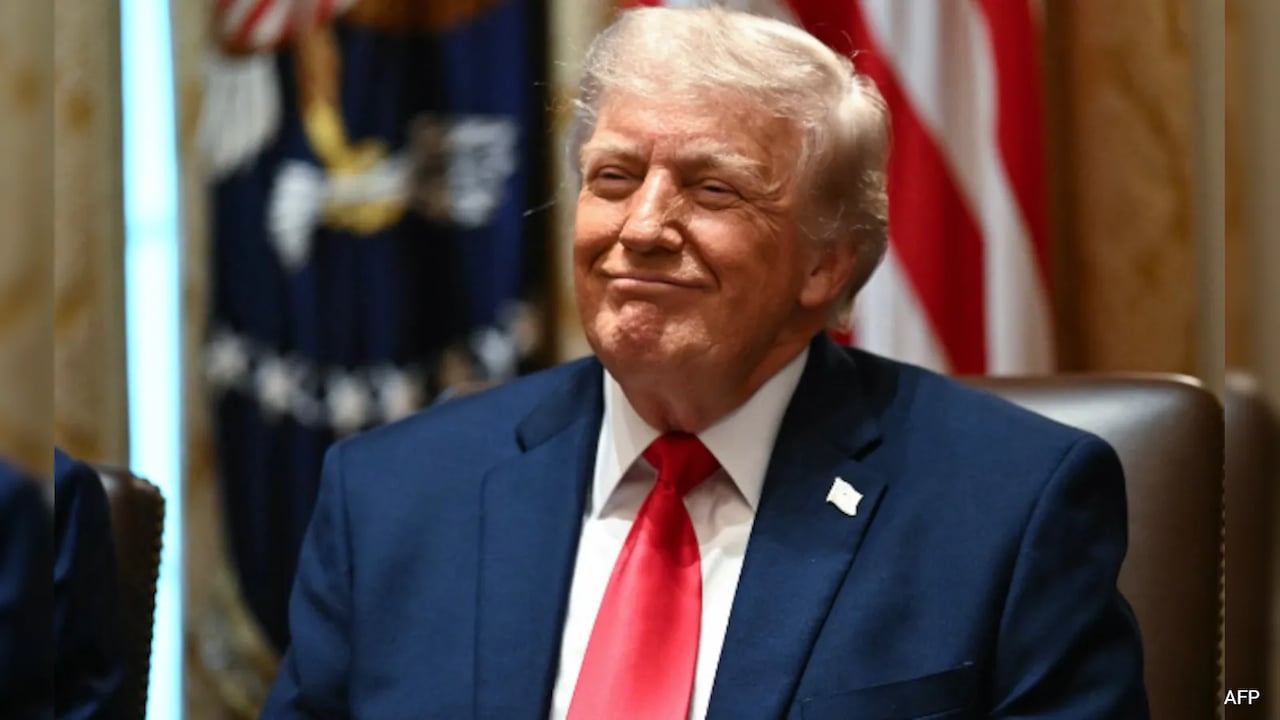
A bathing suit is the ultimate vulnerability for a public figure. It strips away the armor of the dark suit, the white shirt, and the red tie. For decades, the public has seen Trump in a hyper-consistent uniform. That suit gives him a specific silhouette. It is part of his brand identity. Stepping away from that uniform to put on swimwear puts his physical condition under a microscope, something he clearly wants to avoid.
Think about the images we remember of past presidents relaxing. We saw Barack Obama surfing in Hawaii, Bill Clinton jogging in short shorts, and George W. Bush mountain biking in Texas. These images were curated to show vitality, youth, or relatability. Trump rejects that approach to relatability. His brand builds on power and executive presence, not looking like an average guy on beach vacation. He knows the internet turns everything into a meme. A single unflattering photo of him in swimwear would live forever on social media, distracting from his political message.
Instead of hiding from the topic, he uses humor to disarm the audience. By jokingly questioning if he looks good in a bathing suit, he beats critics to the punch line. It is a calculated move. If you laugh at yourself first, you take away the weapon from your political opponents.
Riffing on Predecessors from Taft to Kennedy
The podcast did not stop at swimwear. As Trump flipped through the pages of the children's book, he treated the illustrations like a roast of past American leaders. No one was safe from his running commentary, and the remarks highlighted how deeply he tracks the legacies of those who held the office before him.
The Weight of William Howard Taft
William Howard Taft famously struggled with his weight during his presidency, a fact that Trump pointed out immediately when looking at the book. Taft remains the heaviest president in American history, tipping the scales at over 330 pounds.
Trump used the illustration of Taft to deliver a warning to himself and the kids watching. He joked that he must remain careful because he does not want to supersede Taft's weight record. He noted that breaking that specific record would be entirely possible if he allowed it to happen, before looking directly at the camera to tell young viewers to keep themselves in good shape.
Sizing Up Kennedy and Reagan
Trump has a long history of judging people based on their physical appearance, and his past Oval Office predecessors received the same treatment. He praised Ronald Reagan, calling him a high-quality person and comparing him to having your own father as president.
When he reached John F. Kennedy, Trump focused squarely on aesthetics. He labeled Kennedy as the second-most good-looking president in history. He deliberately left out who he considers the absolute most good-looking president, leaving the audience to easily guess who he had in mind.
Critiquing the Modern Golfers and Joggers
The book highlighted the sports habits of more recent presidents, allowing Trump to get in some partisan digs. Looking at an illustration of Bill Clinton jogging, Trump flatly stated that he would never do that. He did soften the blow by adding that he liked Clinton a lot, but running for fitness clearly does not fit his lifestyle.
He saved his sharpest sports critique for Barack Obama. The book referenced Obama's love for sports, but Trump quickly steered the conversation to golf, a sport both men play frequently. Trump mocked Obama's skill on the course, stating that Obama will not be playing in the Masters tournament anytime soon. Trump frequently brags about his own club championships, so the comment served as a subtle way to elevate his own athletic standing above his predecessor.
What the Reading Habits Comment Says About Modern Politics
During the interview, Usha Vance asked Trump a standard question designed for a children's literacy show. She wanted to know if he has much time to read for fun while managing the duties of the presidency.
Trump gave an answer that perfectly encapsulates his media-centric worldview. He explained that he rarely reads books for pleasure because he spends his time reading newspapers instead. He then added a candid line.
"I usually read stories about myself," Trump said.
It sounds incredibly vain on the surface, but it reflects the reality of his political survival strategy. Trump treats media coverage as the ultimate metric of his success or failure. He does not view policy in isolation. He views it through the lens of how the media narrates it. To him, reading stories about himself is not just an ego trip; it is monitoring the scoreboard of public opinion.
This focus on media narratives explains why his appearance on a children's podcast diverged so wildly into personal commentary. He treats every platform, whether it is a massive rally or a cozy story hour, as an arena to shape his narrative, answer critics, and reinforce his personal brand.
The Hidden Messaging to the Base
While the media focused heavily on the bathing suit quote, the end of the podcast featured a telling moment about how Trump views the current state of the nation. With the Fourth of July approaching, Usha Vance asked him what advice or message he had for children celebrating the holiday.
Trump skipped the traditional patriotic platitudes about fireworks and history. Instead, he delivered a somber, urgent message about the country's stability.
"We have a country that, it's on a little bit of a ledge right now," Trump said. "It can go one way or another, you understand that. But we're going to make it go the other. And we're going to make America greater than ever before."
Introducing political anxiety into a children’s show might seem jarring, but it is an essential part of his communication strategy. He maintains a constant sense of urgency among his followers. By framing the country as being on a ledge, he positions himself as the only force capable of pulling it back to safety. Doing this on a podcast hosted by the second lady ensures that his core political message reaches families in a softer, more domestic setting than his usual campaign rallies.
Personal Branding Lessons from the Oval Office Studio
You can learn a lot about personal branding by analyzing how Trump handled this unconventional media appearance. The entire set inside the Oval Office was carefully redecorated for the shoot. The gold accents he prefers were paired with tables made of giant stacked books, a globe constructed out of Legos, and a stuffed bald eagle. It combined presidential authority with elements designed to appeal to children.
Here are the key takeaways from how he manages his public identity during these unscripted moments.
- Own your vulnerabilities before others can. Trump knows his weight and physical appearance are frequent targets for critics. By addressing them directly with jokes about Taft and bathing suits, he defuses the criticism.
- Never drop the persona. Whether reading a children's book or debating policy, Trump remains exactly who he is. He does not adopt a fake, overly gentle "children's storyteller" voice. Audiences value authenticity, even when it is controversial.
- Turn every topic back to your core strength. When the book mentioned historical landmarks, Trump used it to plug his own construction projects, including a new ballroom planned for the White House grounds. He always reminds people of his background as a builder.
Ultimately, Trump's refusal to wear a bathing suit is not just about vanity. It is about a total commitment to a specific public image. He understands that control over how people see you is one of the most powerful tools in politics, and he refuses to give up that control for a quick swim.