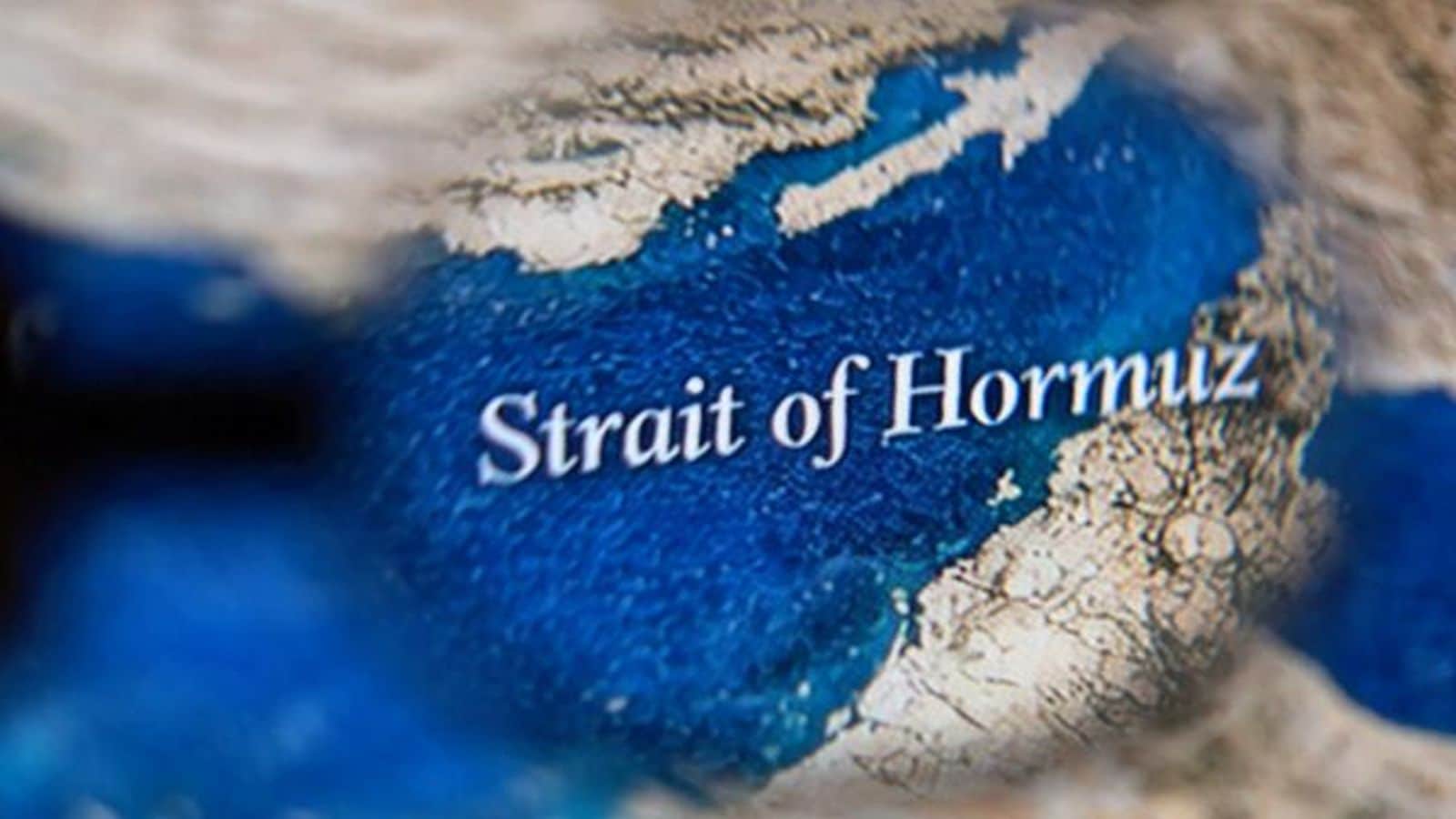
Donald Trump didn't just reject a diplomatic opening from Tehran. He took a map, relabeled one of the most critical geopolitical choke points on Earth as the "Trump Strait," and posted it for the world to see.
If you think this is just standard online trolling, you're missing the entire strategic calculation behind it.
What Actually Triggered the "Trump Strait" Map
Let's look at the sequence of events. Iranian Foreign Minister Abbas Araghchi came forward with a proposition. Tehran claimed it could fully reopen the blockaded Strait of Hormuz and restore normal maritime traffic in just seven days.
The catch? Washington had to meet a heavy list of demands:
- Lift the crippling US naval blockade on Iranian ports.
- Waive all secondary sanctions on Iranian oil exports.
- Implement a regional ceasefire that explicitly includes Lebanon.
Trump's response was swift, blunt, and public. He flatly turned down the framework. Instead of traditional diplomatic counter-offers, he dropped the "Trump Strait" graphic on Truth Social. It's a blatant signal that the White House believes it holds all the cards through its ongoing naval enforcement.
The Reality of the Hormuz Choke Point
Why does this specific strip of water matter so much? Before the current conflict escalation, roughly twenty percent of globally traded oil and gas flowed directly through this narrow passage. It is the literal jugular vein of global energy supply.
When shipping lanes face disruptions, energy markets convulse. Prices spike, voters panic, and political pressure mounts on whichever administration sits in the Oval Office—especially with US midterm elections looming. Iran knows this. Using the shipping lane as leverage has been Tehran's go-to playbook for decades.
Yet Trump is calling their bluff. Back in August, he publicly mused that turning the waterway into an American-controlled territory was a "great idea" because the existing US blockade already dictates who passes through. By renaming it on social media after rejecting the seven-day plan, he's doubling down on maximum pressure. He isn't interested in a conditional truce that leaves Iran's nuclear ambitions intact. Reports indicate Washington views renewed military action or continued heavy containment as entirely on the table.
Where the Strategy Heads Next
Tehran's leadership is running out of easy maneuvers. President Masoud Pezeshkian recently wrapped up his trip from the United Nations General Assembly, where defensive rhetoric met hard economic reality. Meanwhile, secondary actors in the region—like Houthi forces launching missiles intercepted near Saudi territory—keep the regional temperature dangerously high.
Iraq is scrambling to beg Washington for sanctions exemptions just to keep basic airline and humanitarian logistics running under the crushing weight of US economic policy. Nobody in the region is insulated from the fallout.
Trump’s map isn't policy on paper, but it telegraphs intent. It tells Tehran that conditional deadlines won't work and that Washington intends to dictate terms on energy flows, not negotiate them from a position of perceived weakness.
Watch the energy markets next week. That will tell you how much teeth the "Trump Strait" meme actually has.