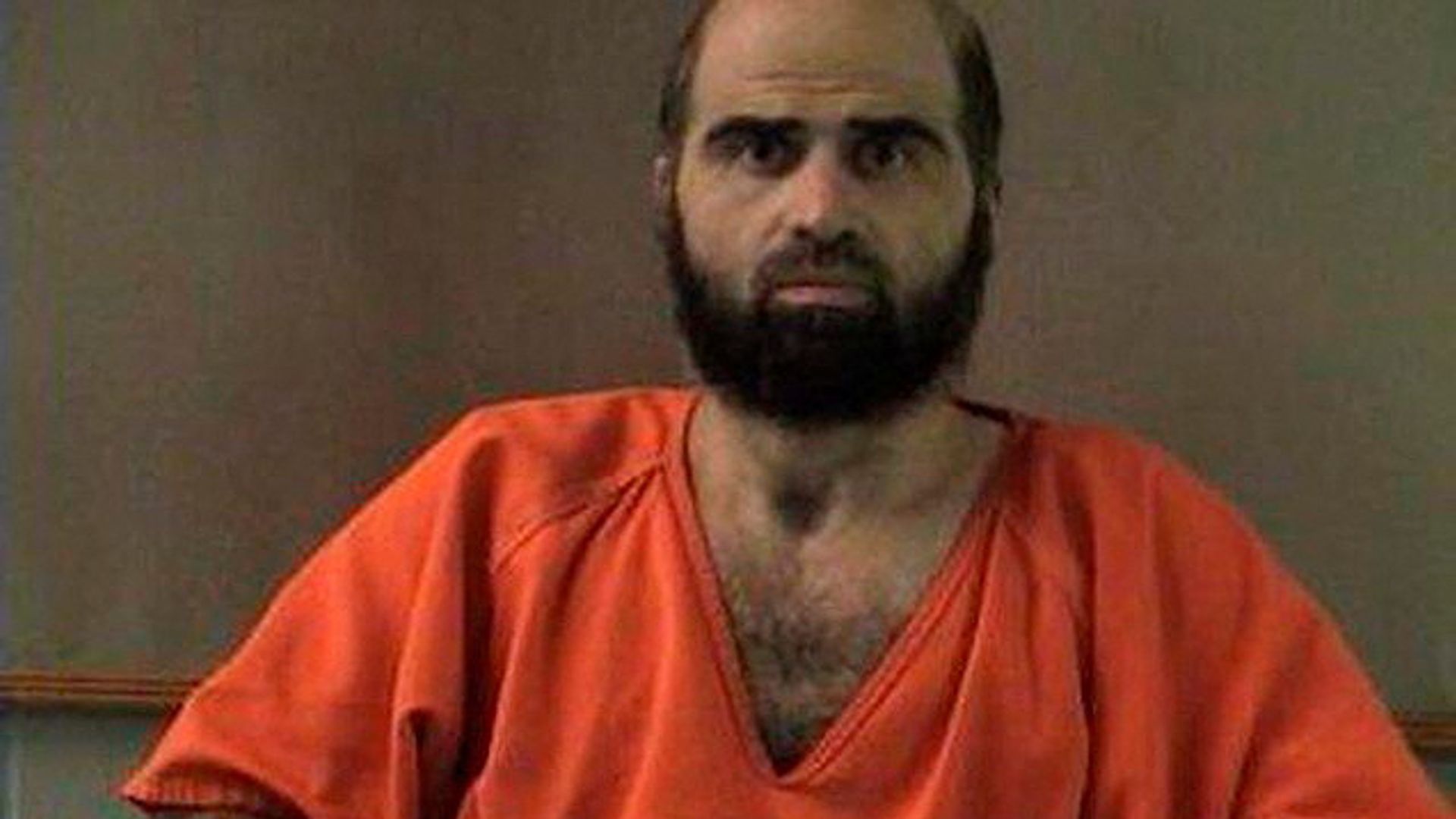
Capital punishment in America is rare enough in the federal and military systems, but public spectacles are rarer still. Donald Trump announced that the upcoming execution of convicted Fort Hood mass killer Nidal Malik Hasan will not be broadcast to the public. The decision marks a stark pivot away from initial talk of a livestream, setting clear boundaries on how military justice will be administered this December.
Hasan, a former U.S. Army major and psychiatrist, is scheduled to face a 12-member military firing squad on December 3. His 2009 mass shooting at Fort Hood, Texas, left 13 people dead and 32 others wounded. For years, the case sat in the complex appeals network of military tribunals. Now, the final chapter is approaching, but it will happen behind closed doors rather than on computer screens across the country.
Drawing the Line on Public Spectacle
When hints of a public broadcast first emerged, legal scholars, civil rights advocates, and even members of the administration questioned the precedent it would set. Turning a state-sanctioned execution into media content crosses a line that modern justice systems usually try to avoid.
Trump addressed the shift directly, stating that people would rather not watch him die on a screen, though immediate family members of the victims will be allowed to witness the military firing squad in person at the Texas facility. They deserve to see justice carried out firsthand if they choose, without the event turning into a digital circus or a viral online moment.
A Rare Military Execution
The logistics surrounding this case make it historic on multiple fronts. The United States military hasn't executed a service member since 1961, when Army Private John Bennett was hanged for rape and attempted murder. If Hasan's sentence is carried out as planned, it will mark the military's first execution by firing squad since 1945.
Hasan has remained paralyzed from the waist down since responding officers shot him during the 2009 rampage. Despite his physical condition and years of legal challenges, the military court's sentence stands.
Why the Livestream Idea Was a Bad Move
Broadcasting executions opens a Pandora's box of ethical and technical problems. Turning capital punishment into entertainment degrades the gravity of the legal process. It invites sensationalism, strains bandwidth and moderation systems across major tech platforms, and risks turning a solemn, tragic milestone into clickbait.
By keeping the doors closed to public cameras while allowing victim families to attend in person, the administration found a middle ground. Justice requires accountability and closure for the victims, not a global audience. The focus stays where it belongs: on the lives lost at Fort Hood and the finality of a military tribunal's verdict.