High-stakes economic warfare meets domestic political reality.
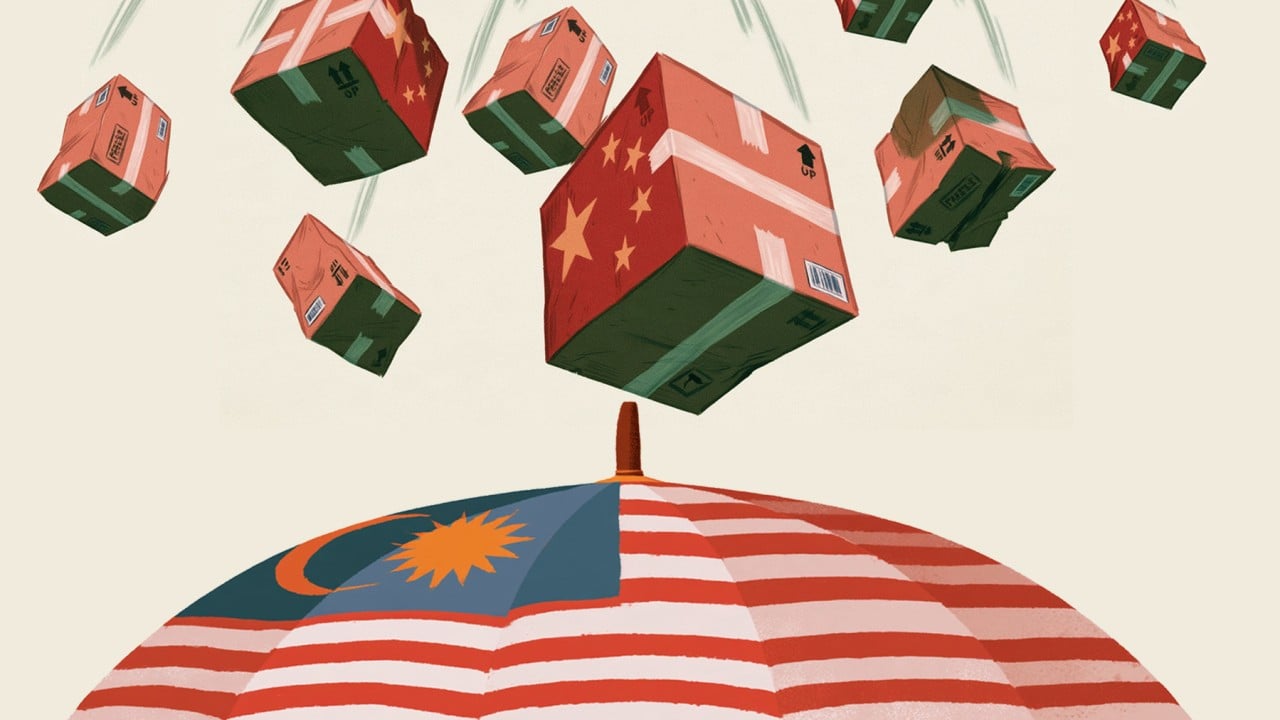
President Donald Trump just pulled the emergency brake on a piece of legislation that could have crippled global trade networks. By signing an executive order waiving crushing Russia-related sanctions and their accompanying 100 percent import duties, the White House dodged a bullet that was aimed straight at major energy buyers like India and China. In similar updates, we also covered: Why The Coreweave Debt Panic Is Missing The Real Point.
If you've been tracking Washington's legislative moves, you know this drama started bubbling up when Trump signed the Lindsey O. Graham Sanctioning Russia and Iran Act of 2026. The core intent was simple on paper: squeeze Moscow's war economy by penalizing any nation buying Russian crude oil or gas. The penalty mechanism was ruthless. Within thirty days of enactment, the law mandated up to 100 percent tariffs on goods coming from the top five importers of Russian hydrocarbons.
India and China immediately found themselves in the crosshairs. The Economist has provided coverage on this critical topic in extensive detail.
The Real Reason Behind the Sudden U-Turn
Why the sudden change of heart? Look at the calendar.
US midterm elections are right around the corner. Republicans are fighting tooth and nail to keep their razor-thin margins in Congress. At the same time, American consumers are already groaning under heavy fuel costs driven largely by fallout from the US-Israeli conflict on Iran.
If the White House had allowed these secondary sanctions to trigger, global oil flows would have constricted even further. Crude prices would have skyrocketed at the pump. Voters punishing politicians for high gas prices don't care about complex geopolitical maneuvering; they care about what it costs to fill up their cars.
So, Trump used an explicit safety valve built right into the legislation. The law lets the president bypass the penalties by declaring that a waiver serves the national interest of the United States.
Global Pushback and Diplomatic Friction
Beijing and New Delhi weren't sitting quietly while Capitol Hill debated their economic fate.
Chinese officials slammed the legislation's long-arm jurisdiction, pointing out it lacked any solid backing in international law. Meanwhile, Indian trade diplomats delivered quiet warnings that slapping punitive 100 percent tariffs on Indian exports would severely damage broader bilateral cooperation.
Washington lawmakers are deeply divided over the move. Democratic Representative Don Beyer didn't mince words, accusing the administration of caving to Vladimir Putin and betraying Ukrainian allies. Critics on both sides of the aisle argue that backing off from these restrictions weakens Western leverage against Moscow's ongoing military actions.
Yet, pragmatism won out over ideology. Energy markets are fragile right now. Forcing top Asian economies off cheap Russian crude without an alternative supply ready would have triggered a severe global energy crunch.
What Happens Next for Energy Markets
This waiver isn't a permanent cancellation. It stays active until the president or top trade officials decide further action fits the shifting geopolitical chessboard.
If you trade commodities, manage supply chains, or analyze international markets, don't mistake this for a return to normal. The legislative framework remains on the books, loaded and ready to fire if political winds shift after the midterms. Watch energy futures closely, keep an eye on Middle Eastern supply disruptions, and prepare for sudden policy pivots whenever Washington needs to balance foreign policy goals against domestic voter anger.