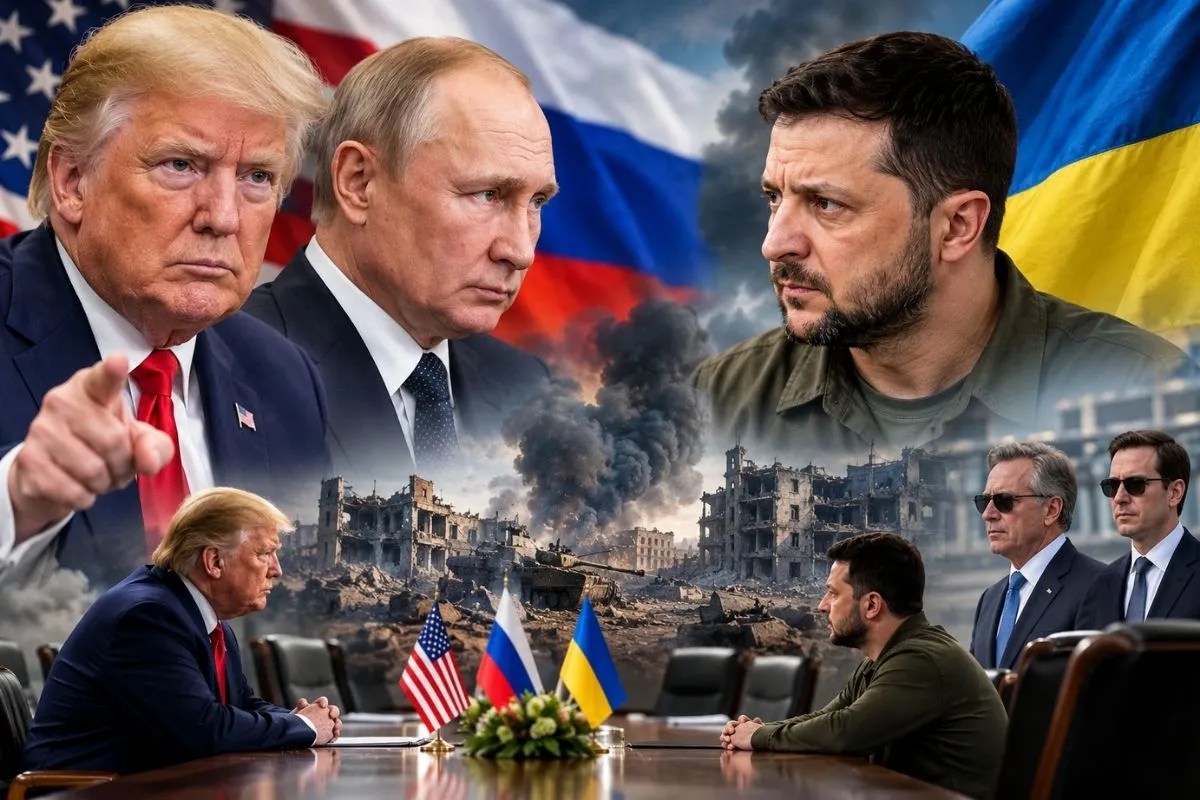
Donald Trump isn't buying the narrative that peace in Eastern Europe is impossible. In fact, he's pointing fingers straight at the personal animosity between Vladimir Putin and Volodymyr Zelensky as the primary roadblock to ending the Ukraine conflict.
When you look past the standard diplomatic statements, a messy human element dictates geopolitics. Let's talk about what's actually stalling negotiations right now, why Washington is shifting its strategy, and whether a trilateral summit can rescue the situation.
The Personality Clash at the Top
Diplomacy usually revolves around borders, security guarantees, and economic interests. But right now, the Russia-Ukraine war is bogged down by pure, unadulterated personal hostility.
Trump recently shared details from a phone call with Putin, maintaining that Moscow's leadership is genuinely open to hashing out a settlement. The sticking point? The deep-seated personal hatred separating Putin and Zelensky. When two leaders view each other with mutual contempt, finding a compromise on territory and sovereignty becomes nearly impossible through standard channels.
Thousands of lives continue to vanish on the battlefield, yet the rhetoric from both capitals remains frozen in personal grievance. If you're wondering why backchannel talks keep stalling, look no further than this toxic dynamic.
Inside the American Shift and the Kiev Visit
Washington isn't sitting on its hands while the stalemate drags on. Recent diplomatic maneuvers reveal a scramble inside the US administration to fix a failing peace track.
Steve Witkoff and Jared Kushner recently made a high-profile trip to Kiev following intensive sit-downs in Moscow. Their mission is straightforward: push both sides back to the negotiating table. Reports also point to potential shake-ups in the American negotiating team, with discussions floating around giving CIA Director John Ratcliffe a heavier hand in steering the diplomatic machinery.
Kushner has heavily advocated for a trilateral dialogue format. Why? Because it eliminates the middleman. When the US stops acting as a translator for mutual grievances, both warring nations have to face each other directly—or take responsibility for walking away.
Can a Trilateral Meeting Break the Ice?
Trump has openly floated the idea of sitting down in a trilateral format with both Putin and Zelensky. It sounds ambitious, maybe even reckless to traditional diplomats, but it might be the only shock to the system that works.
Moscow's camp has acknowledged ongoing talks regarding the structural layout of future negotiations, though the Kremlin has swatted down rumors of canceled high-level intelligence meetings. The reality on the ground is grim. Casualties are mounting by the tens of thousands monthly, pushing the conflict past any sustainable threshold for either country.
What Happens Next
The diplomatic window is narrow, and patience in Western capitals is wearing thin. If Steve Witkoff and the broader advisory team can't translate backdoor conversations into a concrete ceasefire framework, the war will grind into another brutal phase.
Personal rivalries shouldn't dictate the fate of millions, but right now, they do. Breaking that cycle requires more than gentle persuasion. It demands a forced meeting of minds where ego takes a back seat to survival.
Take a hard look at the diplomatic posturing over the coming weeks. If the trilateral format gets off the ground, you'll know the pressure finally worked. If it collapses before it starts, expect the battlefield to dictate the terms instead.


