Saying you want to make a deal and actually getting two bitter enemies to sign one are two very different things.
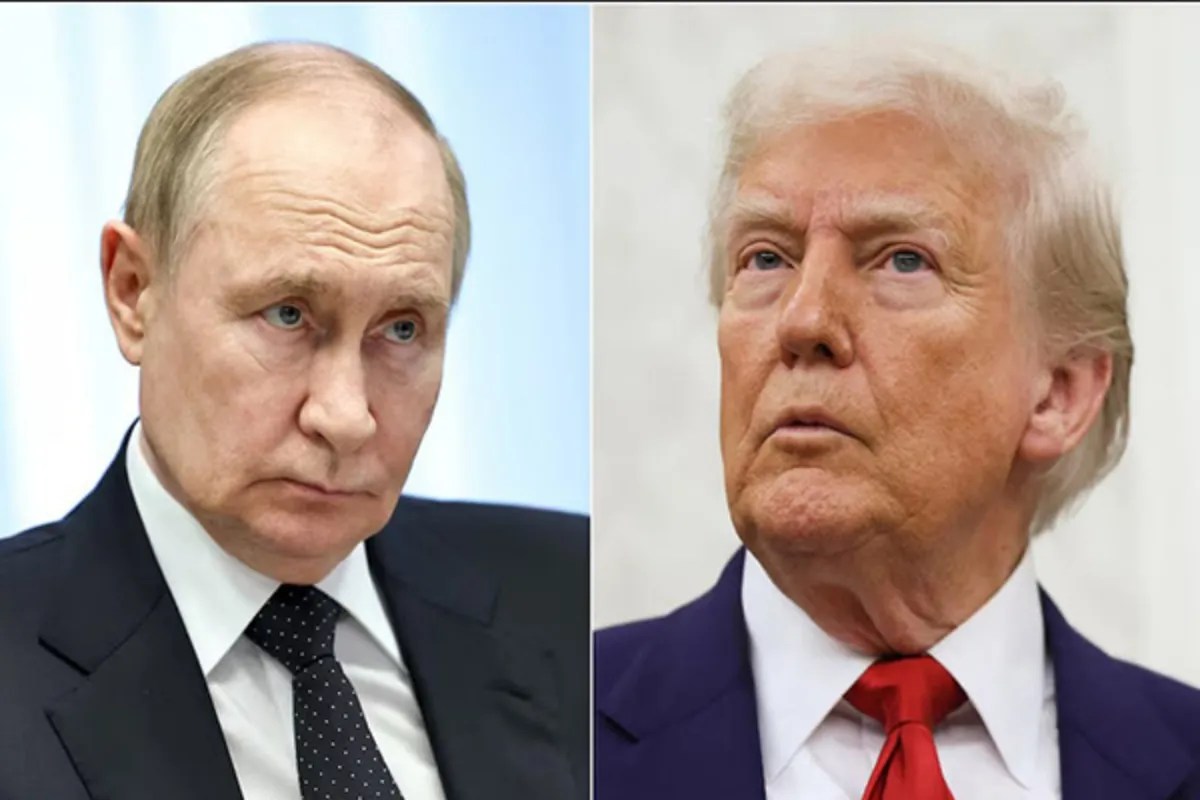
US President Donald Trump says Russian President Vladimir Putin wants a deal to end the Russia Ukraine war, arguing that keeping personal lines open with Moscow is the only way to stop the bloodshed. Speaking from Mar-a-Lago on Thanksgiving day in November 2026 during a call with US military personnel, Trump made his pitch bluntly: stopping the killing comes first, even if critics dislike his tone toward the Kremlin. He pointed to heavy casualties—claiming roughly 25,000 people are being lost every month—and argued that personal hostility from a mediator only makes negotiations harder. If you liked this post, you might want to check out: this related article.
If you've watched diplomatic coverage from outlets like Rajasthan Patrika, you know the basic headlines. Fifty-seven months of grinding conflict have left cities wrecked, economies strained, and diplomatic channels tangled. What those short wire summaries often gloss over is how Trump frames his leverage, what recent meetings actually preceded these remarks, and why the gap between a "deal" in Washington and a settlement in Kyiv and Moscow remains wide.
Why Donald Trump Pushes Personal Rapport With Putin
Trump's argument rests on a transactional view of diplomacy. He says he could publicly call Putin a non-friend or attack him relentlessly, yet doing so would repeat the exact dynamic already poisoning talks between Putin and Ukrainian President Volodymyr Zelenskyy. In Trump's telling, outright personal animosity between the main players guarantees deadlock. For another angle on this event, refer to the latest update from The Guardian.
That isn't a new posture for him, though the context in late 2026 has shifted. Earlier in November 2026, Trump met with Putin's envoy Kirill Dmitriev after an event at the White House involving First Lady Melania Trump and Ukrainian officials around a localized ceasefire in Oleshky. Days later, on November 19, 2026, Trump, Putin, and Chinese President Xi Jinping crossed paths in Shenzhen, China, on the sidelines of the APEC summit. Following that trip and meetings with NATO Secretary General Mark Rutte, Trump urged Putin to pull back military aggression across Europe while insisting a deal remains possible.
Honesty compels a reality check here. Friendly language from a US president does not automatically translate into territorial concessions or security guarantees that Ukraine can accept. Diplomacy isn't a real estate closing where both sides simply agree on a price and walk away happy.
What Most Coverage Misses About the Russia Ukraine War Talks
Short news briefs tend to treat peace talks like a light switch—either negotiations are happening or they aren't. Anyone who follows European security closely knows it's way messier than that.
Three real-world friction points keep tripping up every round of talks:
- Mutual mistrust at the top: Trump explicitly noted that the core problem in a settlement is that the opposing leaders genuinely hate each other. You can't paper over years of invasions, strikes on infrastructure, and wartime losses with a single phone call.
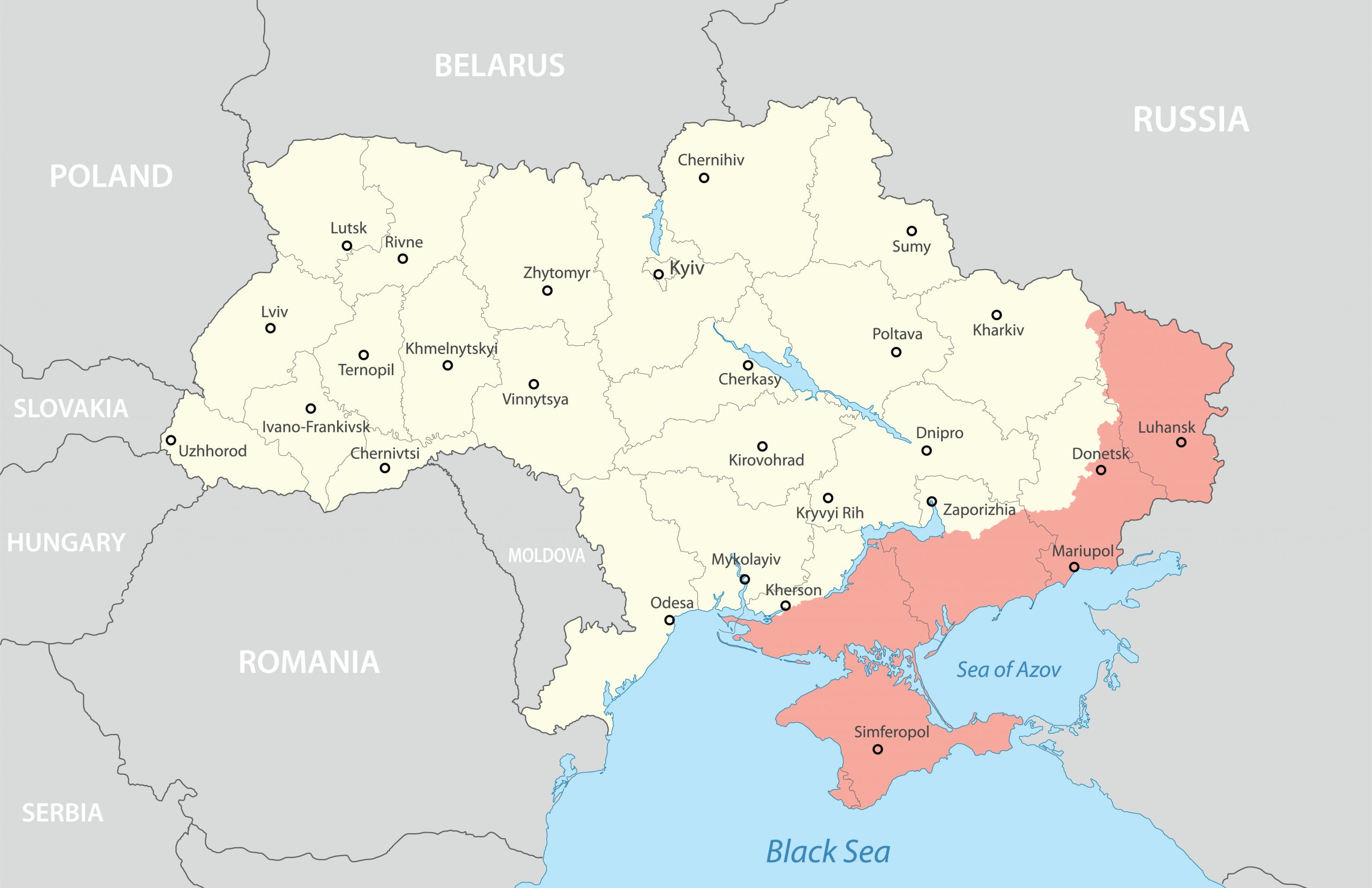
- Competing definitions of security: Proposals floated in public debate—such as ideas around security arrangements for Ukraine alongside questions over Russian-held territory—hit immediate walls over sovereignty and long-term deterrence.
- Wider geopolitical spillover: Trump has repeatedly suggested any major agreement could stretch beyond Ukraine to involve broader European security, while recent discussions with NATO leadership have also touched on avoiding wider conflict dynamics involving Iran.
A common mistake readers make is assuming a presidential claim of momentum means a signed treaty is days away. Political signaling happens for plenty of reasons: domestic messaging, testing an adversary's reaction, keeping allies on edge, or setting up future summits like the G20 in Florida.
Can a Deal Actually Hold Without Solving Core Disputes?
Let's be real. Even if Putin signals willingness to talk—or even if localized pauses hold—the hardest part of ending a war of attrition is enforcement. Ceasefires break when neither side trusts the other's incentives or believes third-party guarantees have teeth.
We've seen how uneven progress looks in practice. A localized humanitarian or ceasefire effort in one city, like Oleshky, can bring temporary relief without stopping long-range strikes or frontline fighting elsewhere. Meanwhile, casualty claims—like Trump's figure of around 25,000 losses a month—highlight the human toll, even when independent verification of battlefield numbers remains difficult during active combat.
If you want to judge whether real movement is happening rather than noise, skip the loudest soundbites. Look at concrete mechanisms: verification rules, prisoner and evacuee terms, energy infrastructure limits, and what NATO and European capitals actually sign onto.
Practical Ways to Follow the Next Phase of Negotiations
If you're tracking this story for work, research, or general awareness, you don't need to refresh breaking-news tickers every ten minutes. Focus on signals that carry real weight:
- Read primary statements alongside independent reporting. Compare White House remarks with coverage from outlets such as Al Jazeera and Mint to separate direct quotes from political framing.
- Watch envoy movements, not just speeches. Meetings involving envoys, NATO leadership, and regional partners usually signal actual drafting or bargaining behind closed doors.
- Separate tactical pauses from structural peace. Track whether any agreement changes troop positions, sanctions, or long-term security commitments rather than just headline optimism.
Trump Targets Russia-Ukraine Peace Deal, All of Europe Could Be
This video clip is relevant because it captures Trump's direct remarks on pursuing a broader agreement involving Russia, Ukraine, and Europe following White House diplomatic meetings.