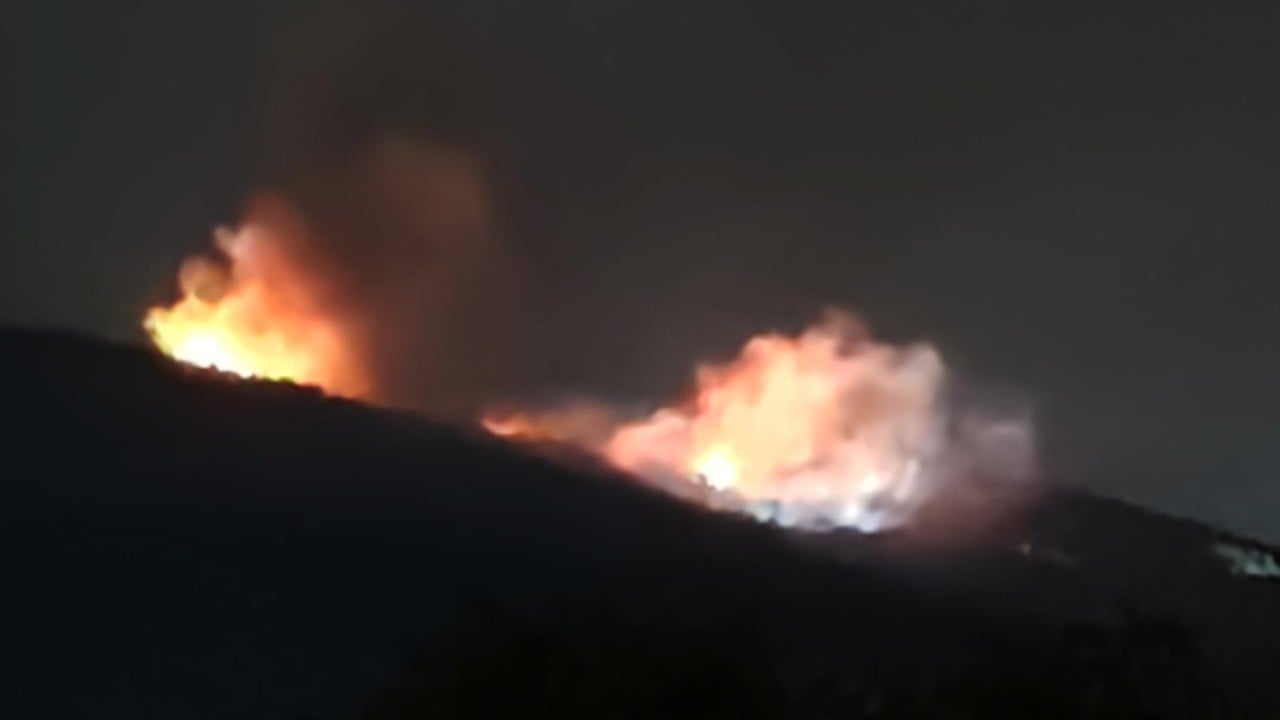
Geopolitical shocks rarely unfold quietly. When a critical energy corridor takes a direct hit and global markets start to panic, people look for immediate answers. Donald Trump offered a typically blunt assessment following the recent aerial strike on Saudi Arabia's vital East-West pipeline, brushing off mounting regional anxiety with a simple assurance: everything will work out just fine.
That optimism clashes with reality on the ground. The attack forced Riyadh to shut down a major artery carrying millions of barrels of crude daily, tightening the chokehold on international energy transit. Brent crude prices spiked past $110 a barrel, sending ripples through an already battered global economy. Yet the White House maintains a steady stance, pointing fingers at Tehran while betting on a swift political shift after the upcoming midterm elections. Meanwhile, you can find similar stories here: Why The Mecca Pact Is Already Failing Saudi Arabia.
Anatomy of an Energy Chokepoint
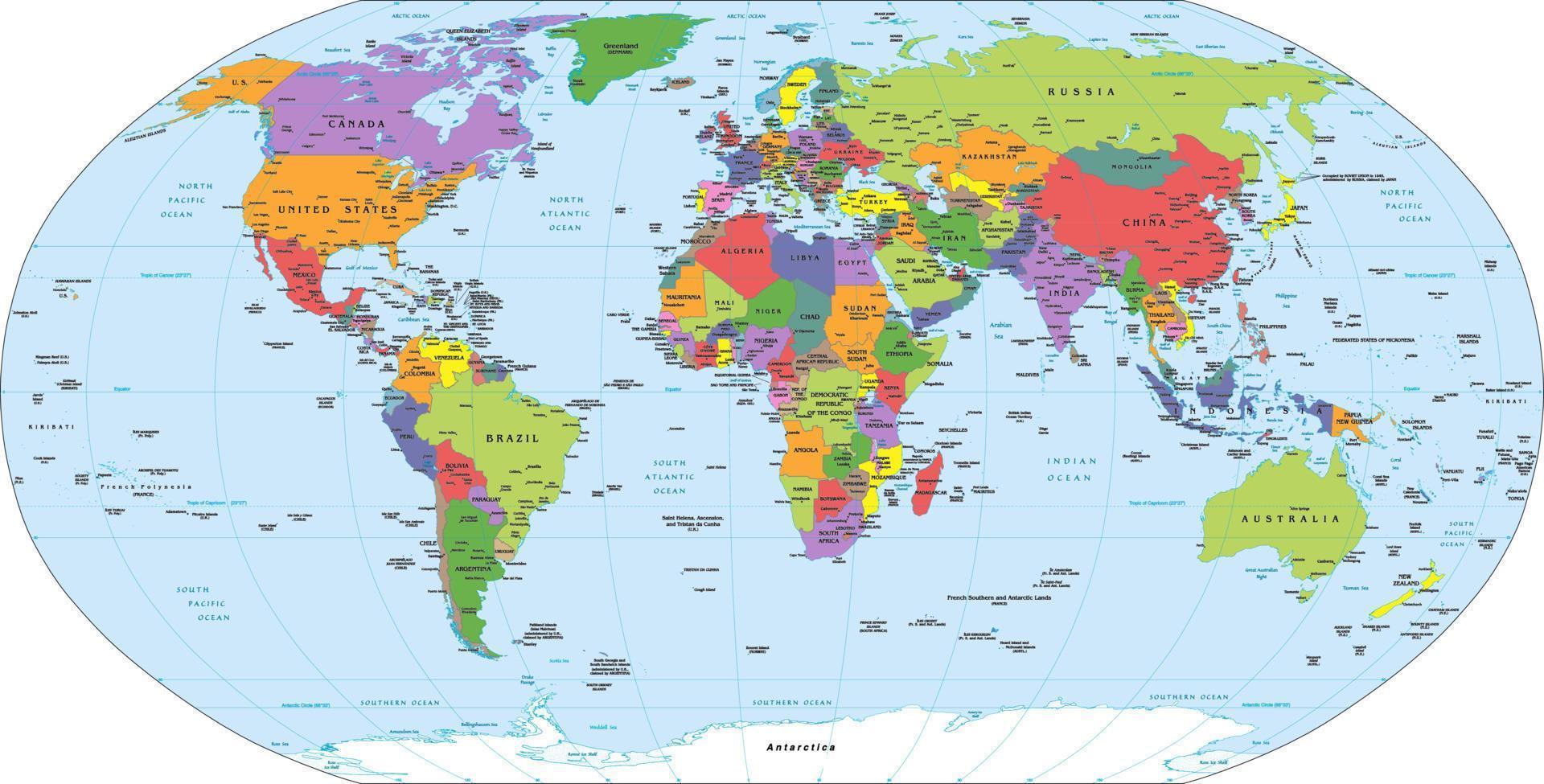
Saudi Arabia has relied heavily on its 745-mile East-West pipeline to bypass regional blockades. With the Strait of Hormuz facing severe traffic slowdowns, this overland route served as the kingdom's primary safety valve for exporting oil toward the Red Sea. Knocking it offline changes the math entirely.
Initial security assessments indicated that the drones used in the strike were launched from Iraqi territory, prompting swift border restrictions and intense diplomatic scrambling. Regional entities like the Gulf Cooperation Council condemned the escalation, fully aware that spare capacity is thin. Storage tanks at the Red Sea port of Yanbu provide only a narrow window of operational cushion before export volumes dry up completely. To see the complete picture, we recommend the detailed report by The Guardian.
The Politics Behind the Crude Spike
Trump's public reaction relies on a dual assumption: that regional proxy actors want to avoid a direct, full-scale confrontation with Washington, and that domestic political timelines will dictate foreign policy resolutions. Speaking to reporters in Dublin, he claimed that the Houthis had communicated a lack of desire to fight U.S. forces directly, even as shipping lanes remain heavily contested.
Critics argue this dismisses the structural leverage Iran currently holds over global supply chains. When energy infrastructure becomes a recurring target, insurance rates jump, tanker routes lengthen, and consumer costs soar at home. Optimistic rhetoric does little to lower fuel costs when physical barrels are missing from the market.
What Happens Next for Markets
Energy traders are ignoring broad political assurances and focusing entirely on repair timelines and security guarantees. If pipeline operations resume quickly, the price spike may recede into a temporary blip. If regional proxy networks continue targeting critical assets unchecked, volatility will remain the baseline for the foreseeable future.
Keep a close eye on export terminal metrics rather than political speeches to gauge the true trajectory of global energy stability.
Trump's Bold Oil Claim Amid Saudi Attack: 'Everything Will Work Out'
This video provides additional context on Donald Trump's remarks regarding the Saudi oil pipeline attack and the broader energy market disruptions.