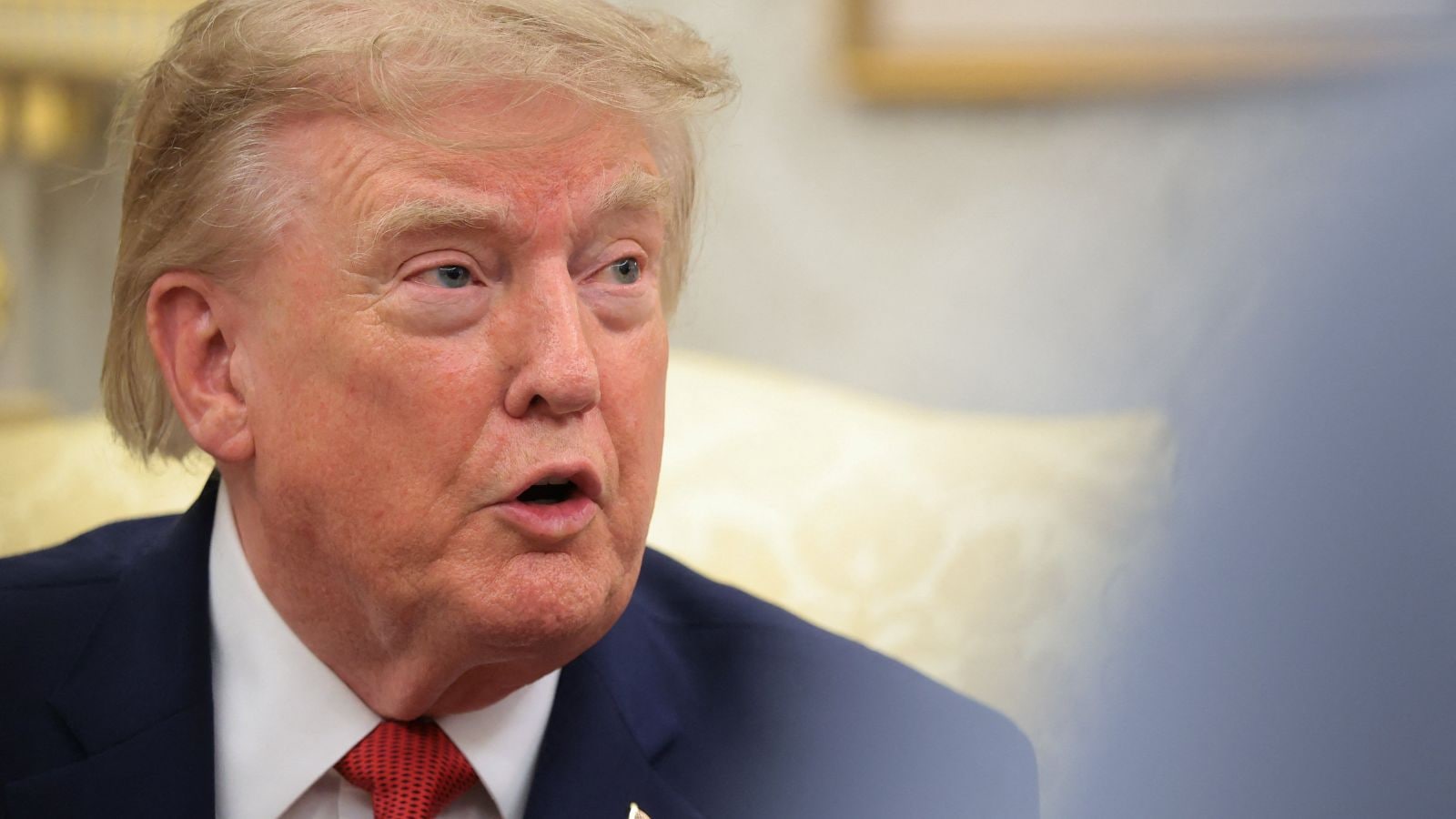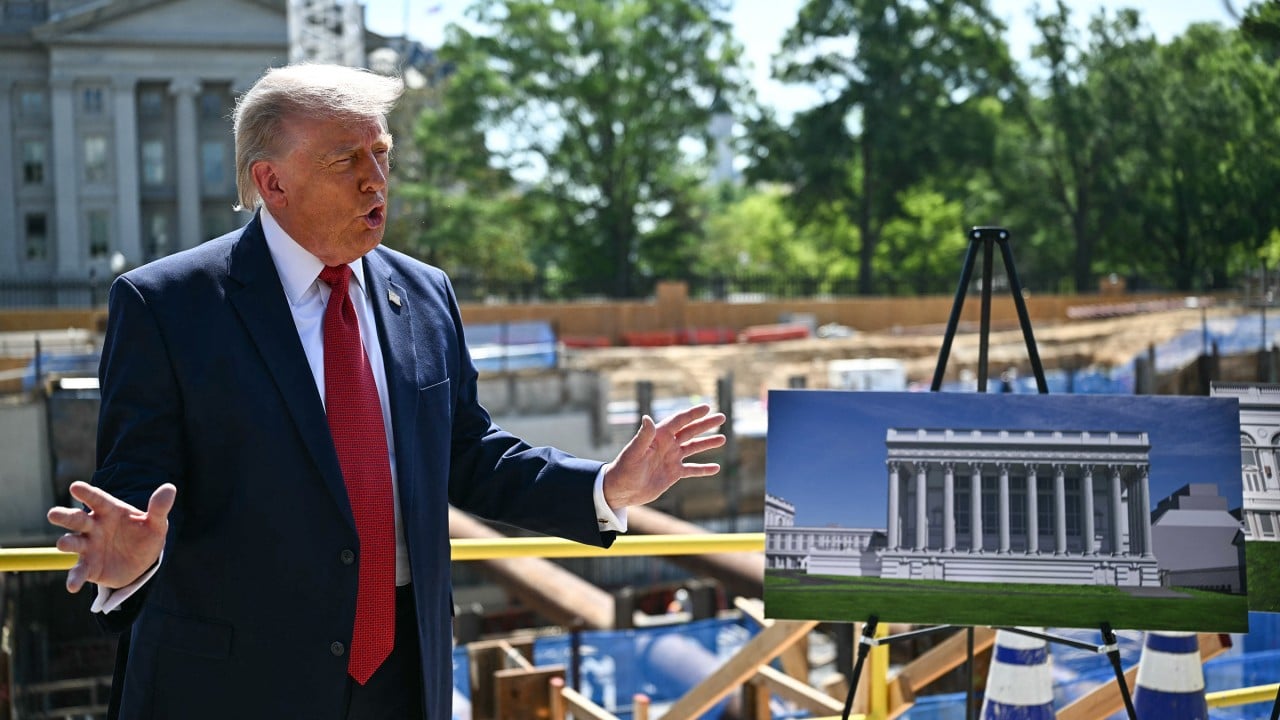
Donald Trump just threatened to "bomb the s**t out of" Oman. If you're wondering why a U.S. President is openly hostile toward a long-term strategic partner, you aren't alone. It’s loud, it’s aggressive, and it’s a massive departure from traditional diplomacy.
But this isn't just a random outburst. It’s the sound of a White House hitting a wall.
The Real Reason for the Fury
Trump is obsessed with the Strait of Hormuz. It's the world’s most important maritime oil chokepoint, and right now, it’s a mess. The U.S. has been running a naval blockade for months to squeeze Iran, hoping for a swift surrender or a favorable deal on Tehran's nuclear program.
It didn't work. Instead, the war has dragged on since February 2026. Negotiations have dried up, and Iran has turned the strait into a leverage point.
Enter Oman.
Muscat has spent decades acting as the "Switzerland of the Middle East." They maintain ties with everyone—Washington, Tehran, you name it. When Iran and Oman started discussing a joint "shipping management" deal for the strait, Trump went ballistic. Washington views any arrangement that gives Iran—or its partners—a say in maritime transit as an end-run around the U.S. blockade.
To Trump, Oman isn't a mediator anymore. He sees them as a bottleneck that needs to be cleared.
Why Oman Is Caught in the Middle
Muscat is currently in an impossible position. They are a crucial U.S. military partner, hosting U.S. Navy port calls and pre-positioned equipment. They want to keep their western alliances intact.
Simultaneously, they share a border and history with Iran. They know that if the war stays hot, their economy suffers. Their attempts to broker a "service fee" system for ships in the strait—essentially trying to keep trade moving without calling it a toll—have been interpreted by the White House as a direct threat to U.S. interests.
Here is what the experts get wrong: they think Oman is trying to pick a side. They aren't. They are trying to survive. Oman is betting that if they can create a "neutral" corridor, they might actually stop the chaos in the water.
The U.S. government sees this as "duplicitous." They want total isolation of Iran. Anything less, to them, is a betrayal.
The Myth of the Quick Fix
Trump told reporters he is "in no hurry" to end the conflict. That’s probably a mask for the fact that he has no good options left.
- The Blockade Struggle: The U.S. is maintaining a naval blockade that is costing a fortune and failing to stop intermittent clashes.
- The Diplomatic Void: With Oman being threatened, the one channel that actually got Washington and Tehran to talk in the past is effectively dead.
- The "Toll" Fear: Washington is terrified that if Oman signs a deal with Iran, it sets a precedent. If one country can charge "fees," why not others?
The reality is that threats don't fix shipping logistics. You can't bomb a diplomatic solution into existence. If the U.S. actually followed through on these threats, they would lose their last remaining credible backchannel in the region.
What Happens Next
Look at the numbers. The conflict has ground on for nearly six months. The market is exhausted. Ships are still facing risks, and the cost of insurance for tankers moving through the strait remains high.
Expect three things to happen in the coming weeks:
- Increased Surveillance: The U.S. will ramp up patrols near Omani waters to ensure no "illegal" deals take place under the table.
- Pressure on the GCC: Don’t be surprised if the White House leans on other Gulf Cooperation Council members to publicly condemn Muscat.
- The Standoff Continues: Until someone blinks on the blockade or the nuclear issue, Oman will remain the designated punching bag for a frustrated administration.
Trump’s language is designed to signal strength to his base and intimidation to his rivals. But in the nuanced, slow-moving world of Gulf diplomacy, his blunt-force approach is achieving the opposite of what he likely wants. It’s alienating an ally while doing nothing to resolve the bottleneck in the Strait of Hormuz.
Don't expect a sudden resolution. Watch for the next update on the "joint statement" Iran and Oman are prepping. That’s the real flashpoint. Everything else is just noise.