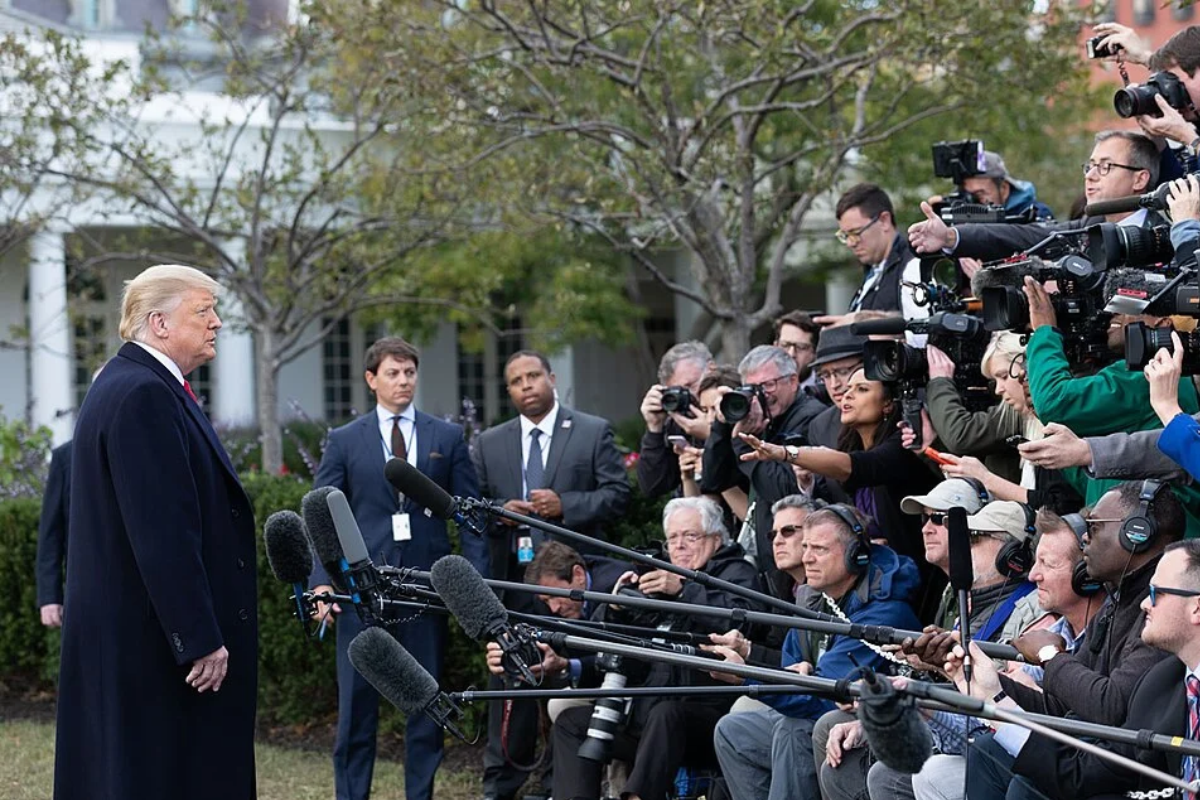
Foreign policy rarely boils down to cold, hard transactional math, but Donald Trump is trying his best to change that. Right now, a pending fourteen billion dollar weapons package for Taiwan sits at the center of a high-stakes geopolitical tug-of-war. Ahead of a crucial White House summit with Chinese President Xi Jinping, Washington is treating advanced defensive missiles and air-defense gear not as ironclad security commitments, but as a flexible negotiating card.
If you want to understand why Beijing is sweating over this deal while Taipei feels increasingly anxious, you have to look past the standard diplomatic statements. Trump views international relations through a property developer's lens. To him, every asset is negotiable if the price or the counter-offer is right. But for Taiwan's President Lai Ching-te, treating national defense as a bargaining chip isn't just stressful—it's downright dangerous.
The Real Price of Strategic Delay
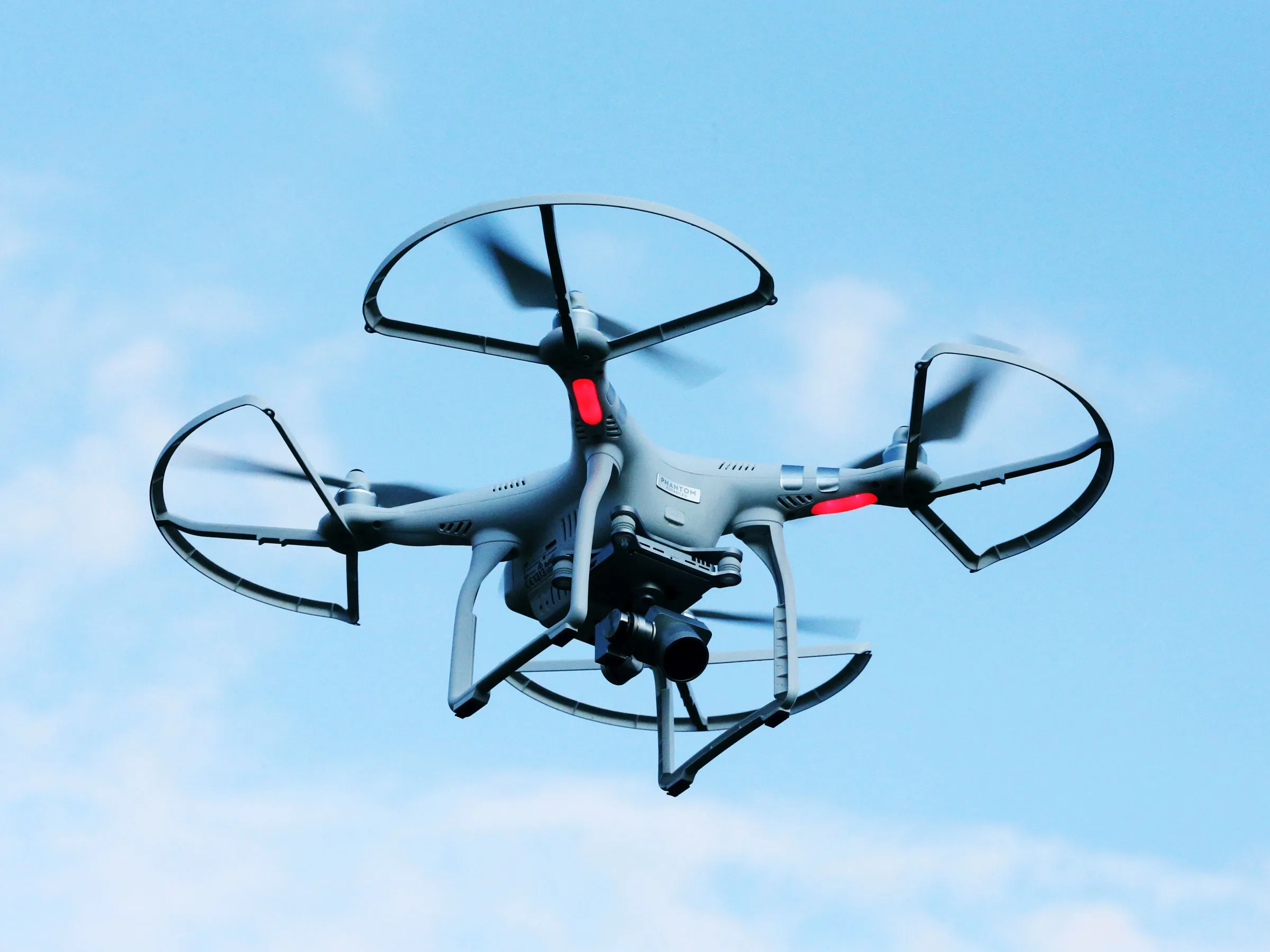
Beijing wants one primary concession from the upcoming Washington summit: a permanent freeze or heavy delay on the fourteen billion dollar military transaction. Chinese officials know that keeping modern anti-drone systems, missiles, and radar infrastructure out of Taiwanese hands buys the People's Liberation Army precious time.
Xin Qiang, a researcher at Fudan University, pointed out that Taiwan remains the single most volatile fuse in the entire bilateral relationship. Beijing holds plenty of retaliatory cards if Washington pushes the sale through anyway. Think rare-earth mineral export restrictions or a potential walkout by Xi from the upcoming G20 summit in Miami this December.
Trump has openly labeled the military hardware a very good negotiating chip. Following previous talks with Beijing, he discovered that dangling defensive weapons packages gets China's immediate attention on trade, intellectual property, and regional disputes.
Taipei is Caught in the Middle
President Lai Ching-te faces a brutal domestic balancing act. Washington constantly pressures international allies to pay their own way and boost defense spending. Taiwan complied, ramping up its military budgets and buying hardware. Yet, when those purchases stall because a U.S. president wants extra leverage in a broader trade deal, Taipei's strategic vulnerabilities multiply.
Ryan Hass from the Brookings Institution notes that Beijing's deliberate stalling strategy is designed to let Chinese military modernization outpace Taiwan's force acquisition timeline. Every month the delivery is delayed, the cross-strait military imbalance widens.
Even so, practical military cooperation carries on behind closed doors. Taiwanese Defense Minister Wellington Koo observed an uptick in the operational visibility of American military advisers during recent Han Kuang drills. Officials like Taiwan's deputy foreign minister Chen Ming-chi maintain that key figures in Washington still recognize the vital necessity of steady arms transfers.
What Changes This Time Around
During his first term, Trump's administration pushed through roughly eighteen billion dollars in defensive equipment for Taiwan without blinking twice. This time, the playbook looks entirely different. Trump wants a grand bargain with Beijing, and his cabinet—including War Secretary Peter Hegseth—has noticeably dialed back public commentary on the island nation.
When you strip away the bureaucratic jargon, the reality is stark. Taiwan's security is tied directly to whatever trade concessions, artificial intelligence agreements, or rare-earth mineral pacts Trump can extract from Xi Jinping.
Watch what happens inside the summit room when the doors close. If the fourteen billion dollar package vanishes into a broader compromise, Taipei will know exactly how cheap its defense really is to Washington.