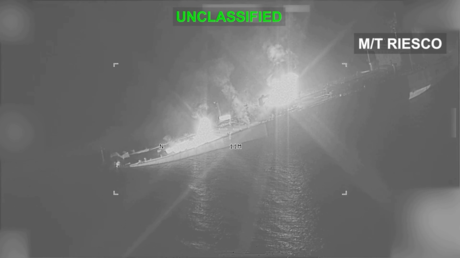
The Strait of Hormuz is burning again, and Donald Trump isn't blinking. If you've been watching the headlines, you already know Washington and Tehran are trading heavy blows across vital energy shipping corridors. But the real story isn't just about military posturing or missile exchanges. It's about a systematic campaign to strangle Iran's economy by targeting its floating infrastructure.
President Donald Trump recently made it crystal clear to reporters that the United States has already taken out about nine Iranian oil tankers, calling many of them "gone-zo" while explicitly warning that the world is going to see a "lot more" targeted soon. When US Central Command confirms operations destroying crude carriers like the Kaviz, Charminar, and the Derya near Kharg Island, you realize this conflict has entered a deeply disruptive economic phase.
Let's look at what's actually happening on the ground and at sea.
The Anatomy of Modern Maritime Conflict
When the Islamic Revolutionary Guard Corps allegedly fired ballistic missiles at American warships, Washington didn't just issue another diplomatic reprimand. They responded with kinetic force directly against Iran's economic lifeline. Secretary of State Marco Rubio noted that Tehran keeps paying a heavy price for targeting US naval assets, pointing to recent operations where multiple vessels were damaged or sunk in the Gulf of Oman.
Here is what most casual observers miss about these tanker strikes:
- American forces routinely order crews to abandon ship before rendering the carriers inoperable, minimizing human casualties while maximizing material destruction.
- The targeted vessels represent vital links for Kharg Island, Iran's primary oil export terminal.
- Tehran claims retaliation against multiple vessels near the Strait, though US Central Command firmly denies any damage to American warships.
This tit-for-tat dynamic pushes Brent crude back above $100 a barrel. Markets hate uncertainty, and nothing creates uncertainty quite like superpower navies hunting commercial oil carriers in narrow shipping lanes.
Why Energy Markets Are Panicking
Oil prices don't spike just because a missile flies across the sky. They spike because traders know that a single blocked choke point can starve global refineries of millions of barrels per day. Iran relies heavily on its shadow fleet and crude carriers to bypass sanctions and fund its regional proxies. When those ships go up in smoke, the financial architecture supporting the Iranian state takes a direct hit.
Trump has publicly predicted that oil prices will stabilize and that the broader conflict will wind down quickly after political milestones like the upcoming US midterm elections. He claims Tehran is simply trying to hold out for leverage. Honestly, betting on quick market stabilization while military commanders promise to hit a lot more tankers feels risky. Energy traders aren't buying the reassurance, and prices reflect that deep-seated anxiety.
What Happens Next
If you're trying to figure out how this affects your investments, your fuel costs, or geopolitical stability, keep your eyes on the Strait of Hormuz. Tehran isn't going to surrender its oil revenue without a fight, and Washington has shown zero hesitation in escalating the economic squeeze.
Expect more maritime skirmishes, higher volatility at the pump, and a fundamental realignment of how sanctioned oil moves across global waters. The old rules of engagement are gone.
US President Donald Trump Says US Has 'Knocked Out' Nine Iranian Tankers, Warns of More Attacks
This video provides an authentic look at the administration's aggressive posture and statements regarding the ongoing destruction of Iranian oil carriers.


