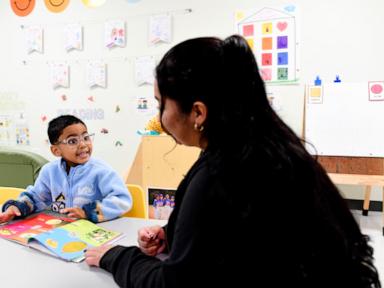
You drop your four-year-old off at preschool expecting crayons, finger-painting, and gentle redirection when they bite a classmate out of frustration. But what happens if those federal behavioral safety nets vanish tomorrow?
The Trump administration has put forward a sweeping regulatory update for Head Start that would strip away longstanding federal bans on suspending and expelling young children. Instead of requiring early childhood centers to keep kids in the classroom and offer mental health support, the new rules punt discipline decisions entirely down to state and local licensing requirements.
If you live in a progressive state with tight restrictions, your child might stay protected. If you live somewhere with lax standards, you're looking at an entirely different reality. Let's look at what's actually changing, why experts are sounding alarms, and what this means for nearly 700,000 low-income families.
The Real Cost of Kicking Kids Out of Class
Exclusionary discipline in early childhood isn't just about a temporary break from school. Research from institutions like the Buffett Early Childhood Institute and historical findings from Yale University show that preschool expulsions happen at rates multiple times higher than K-12 suspensions.
When a four-year-old gets kicked out for aggressive behaviors—like hitting or biting—they don't magically learn emotional regulation. They get bounced from program to program.
Data from federal civil rights collections reveals an uncomfortable truth. Black children, American Indian students, and kids with disabilities bear the brunt of these harsh punishments. Black boys are disproportionately represented in out-of-school suspensions and expulsions before they even reach kindergarten.
Removing federal guardrails doesn't solve disruptive behavior. It just passes the burden onto stressed parents who often have zero alternative childcare options.
A Patchwork of State Protections
Right now, Head Start operates under strict federal performance standards. Programs can't just throw their hands up and kick a child out. They have to loop in parents, consult mental health professionals, bring in behavior coaches, and explore special education referrals.
Under the proposed Trump administration rule, those uniform federal expectations disappear. Programs would follow state and local licensing laws instead.
The problem? Most states don't have laws protecting preschoolers from being suspended or expelled.
An analysis by the Children’s Equity Project at Arizona State University found that only 14 states and Washington, D.C., have policies aligning with current Head Start discipline rules. Even among those, only about half apply broadly to children under five, and only Minnesota explicitly names Head Start.
That leaves roughly 70% of states with weak or nonexistent regulations. In places like South Carolina or Florida, public preschool suspension and expulsion numbers have historically run high. Without federal protections, Head Start providers in those regions face immense local pressure to push out kids who need stability the most.
Why Head Start Teachers Are Caught in the Middle
Head Start classrooms are under immense operational strain. Low pay, heavy workloads, and high staff turnover mean many teachers are working on fumes.
When a toddler throws a tantrum or hits another child, an unsupported educator looks at the exit door as an easy relief valve. Federal rules currently block that impulse, forcing programs to provide extra help, such as social-emotional teams and breathing exercises.
Advocates from organizations like the Washington State Association of Head Start point out that making exclusion permissible gives burnt-out systems an easy way out. Teachers don't want to kick kids out, but without resources, survival instincts kick in.
Department of Health and Human Services officials argue the rule change simply injects flexibility and doesn't force programs to alter what's already working. But critics counter that flexibility without guardrails equals abandonment for vulnerable children.
What Parents and Advocates Can Do Now
The window for public feedback on the federal register is closing fast, but the broader fight over early childhood equity is just beginning. If you're a parent, teacher, or community advocate worried about these changes, here is how you can push back:
- Check local state policies: Find out where your state stands on preschool suspension laws. If your state lacks protections, lobby your state legislators to pass bills banning exclusionary discipline for children under five.
- Engage with local programs: Talk to your local Head Start directors to ensure they commit to non-punitive behavioral interventions regardless of federal shifts.
- Support mental health integration: Advocate for increased funding for classroom mental health consultants and behavioral coaches so teachers have the tools to handle disruptions without resorting to removal.