Global diplomacy just hit another turbulent milestone. Hours after South African jurist of Indian origin, Navanethem "Navi" Pillay, was awarded the 2026 Nobel Peace Prize for her monumental defense of international law, the United States administration announced sweeping new sanctions against the International Criminal Court.
It's a stark collision of worldviews. On one side stands a lifetime dedicated to prosecuting war crimes, genocide, and crimes against humanity. On the other stands a powerful state apparatus willing to penalize international judicial bodies to shield its own interests and allies from accountability.
The Timing That Shocked the Global Stage
The Norwegian Nobel Committee didn't pick an ordinary figure for the 2026 prize. Pillay, an 85-year-old trailblazer who previously served as a judge on the ICC’s Appeals Chamber from 2003 to 2008 and as the UN High Commissioner for Human Rights, was honored for her relentless push to hold state leaders accountable.
Her life story reads like a masterclass in breaking barriers. Born to a family whose grandfather arrived in South Africa as an indentured sugarcane laborer, Pillay fought through systemic racism, classism, and gender discrimination to become a cornerstone of global human rights jurisprudence.
Yet, the celebration in Oslo was instantly overshadowed by Washington. The administration's fresh wave of restrictions on the ICC targets not just individual judges or prosecutors, but potentially penalizes third-party companies providing basic operational services to the court. Secretary of State Marco Rubio defended the move bluntly, stating that the presidency would never allow the ICC to target Americans.
Why This Escalation Changes Everything
Previous US friction with the Hague tribunal was mostly restricted to targeted visa restrictions or verbal rebukes. The latest measures go much further. By threatening financial and infrastructure support systems, Washington aims to squeeze the court's core operational capabilities.
Naturally, this move sparked swift international backlash. European allies, including the United Kingdom, Germany, France, Italy, and Japan, quickly voiced deep regret and firm disagreement with the sanctions. For these nations, undermining an independent international court weakens the entire post-war framework of rules designed to prevent global chaos.
Pillay herself didn't stay silent. She condemned the actions as completely unacceptable, arguing that punishing judges for executing their mandate sets a dangerous precedent for international justice.
What Comes Next for International Accountability
We are watching a high-stakes standoff between national sovereignty and global institutional oversight. When superpowers attempt to dismantle legal mechanisms meant to protect vulnerable populations, the consequences ripple across every active conflict zone from Sudan to Ukraine.
The battle lines are drawn. Will global courts weather the financial storm, or will powerful nations succeed in eroding independent justice? The coming months will test whether the rule of law can survive intense geopolitical pressure.
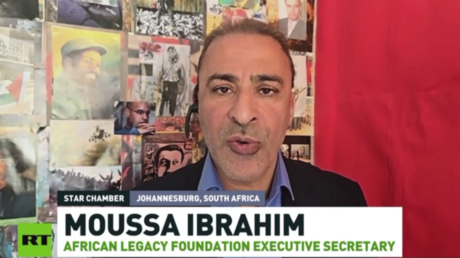
‘Anti-Israel’ Navi Pillay HITS BACK At Trump Over ’UNACCEPTABLE‘ ICC Sanctions
This video provides additional context regarding Nobel Peace Prize laureate Navi Pillay's sharp condemnation of the recent US sanctions against the International Criminal Court.
http://googleusercontent.com/youtube_content/1