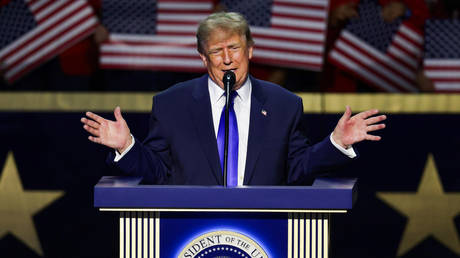
You can't treat Persian Gulf energy infrastructure like a vacant parking lot. Donald Trump claims Washington can stay in Iran, keep the crude, and run the show just like the Venezuelan blueprint.
It sounds tough. It's logistically brainless.
Kharg Island handles roughly 90 percent of Iranian crude exports. Securing it isn't signing a concession agreement over Venezuelan scrubland with a fractured Caracas administration. It means subduing an archipelago of underground missile batteries, swarming fast-attack craft, and choke-point minefields inside the Strait of Hormuz. Pentagon planners know the math. Missiles run low; maritime insurance rates go vertical; global Brent crude spikes past triple digits before breakfast.
Let's look at what the rhetoric misses and why this oil-for-spoil math breaks down under actual operational friction.
The Venezuela Illusion vs. Gulf Reality
In August, Washington framed Venezuelan concessions as victor's equity across 17 fields holding about 65 billion barrels. Caracas complained about sovereignty, private ventures moved in, and tankers trickled out under tight security.
Iran isn't Venezuela.
Venezuela's production decay predated US enforcement by a decade, gutted by capital flight, domestic mismanagement, and deferred maintenance under state oil monopoly PDVSA. Facilities sat vulnerable.
Iran's oil apparatus is decentralized, hardened, and integrated with asymmetric defense doctrine. Hitting Kharg Island or interior processing hubs triggers immediate kinetic retaliation across regional shipping lanes. When US strikes hit Iranian tankers this autumn, Tehran didn't issue diplomatic notes—it claimed strikes against ten regional vessels, including US Navy assets. You don't walk into a live fire zone of that velocity and set up an accounting ledger for crude equity.
The Logistics Wall Nobody Talks About
Inventory exhaustion isn't a campaign fiction. Defense analysts trackingInterceptor missile expenditure during prolonged Middle Eastern operations note structural strain on SM-3, SM-6, and Patriot stocks.
Replenishing those interceptor tubes takes quarters, not weeks. Industrial manufacturing bottlenecks in solid rocket motors and seeker heads cap monthly output.
If you commit armor and marines to hold coastal oil terminals in Khuzestan or island terminals in the Persian Gulf, you convert a naval containment strategy into a perpetual counterinsurgency sinkhole.
- Strait vulnerability: Tanker traffic pauses when insurance underwriters bolt.
- Refining mismatch: Iranian heavy sour crude requires specific cracking configurations that Gulf refiners optimize selectively, meaning stolen barrels don't drop US pump prices overnight.
- Alliance fracture: Asian importers (India and China) and European buyers face immediate supply shocks, turning unilateral resource extraction into diplomatic isolation.
Political Calendars vs. Strategic Reality
Trump ties the conflict ending "right after" the November 3 midterm elections, claiming Tehran calls constantly for a deal. Iranian leadership denies the hotline chatter completely.
Domestic political timelines love crisp punctuation marks. Foreign intelligence and oil markets operate on multi-decade decay curves.
Even if a sudden political collapse materialized in Tehran, historical precedent shows that seizing physical wells doesn't translate to net-positive energy flows. Post-invasion Iraq production took years to stabilize past pre-2003 baselines because electrical grids, pipeline integrity, and security personnel disintegrated simultaneously.
What Energy Traders Actually Price In
Smart money doesn't trade presidential podium statements about spoils of war. They price physical flow interruption, floating storage capacity off Malacca and Fujairah, and spare OPEC+ capacity buffers.
Saudi spare capacity sits under 3 million barrels per day. If Iranian exports drop to zero via hard military lockdown rather than sanctions leakage, Gulf production nodes become retaliatory targets (as seen in recent pipeline and bulk plant strikes near Jazan).
You aren't profiting from kept oil if regional processing capacity burns.
Actionable Takeaways for Portfolio and Risk Managers
- Stop hedging headline risk with linear bets: Short-term spikes fade faster than physical supply destruction compounds. Buy structural time-spreads instead of naked upside calls on crude.
- Audit maritime exposure: Review shipping manifest exposure through the Strait of Hormuz and Bab-el-Mandeb corridors. Red Sea alternative bypass pipelines face concurrent land-sabotage vectors.
- Separate rhetoric from logistics: When politicians talk victors' spoils, check missile replenishment rates and defense contractor backlogs. Inventory tells the truth the podium hides.
Watch the interceptor burn rate, not the campaign rally transcript. That's where the war actually ends or breaks.