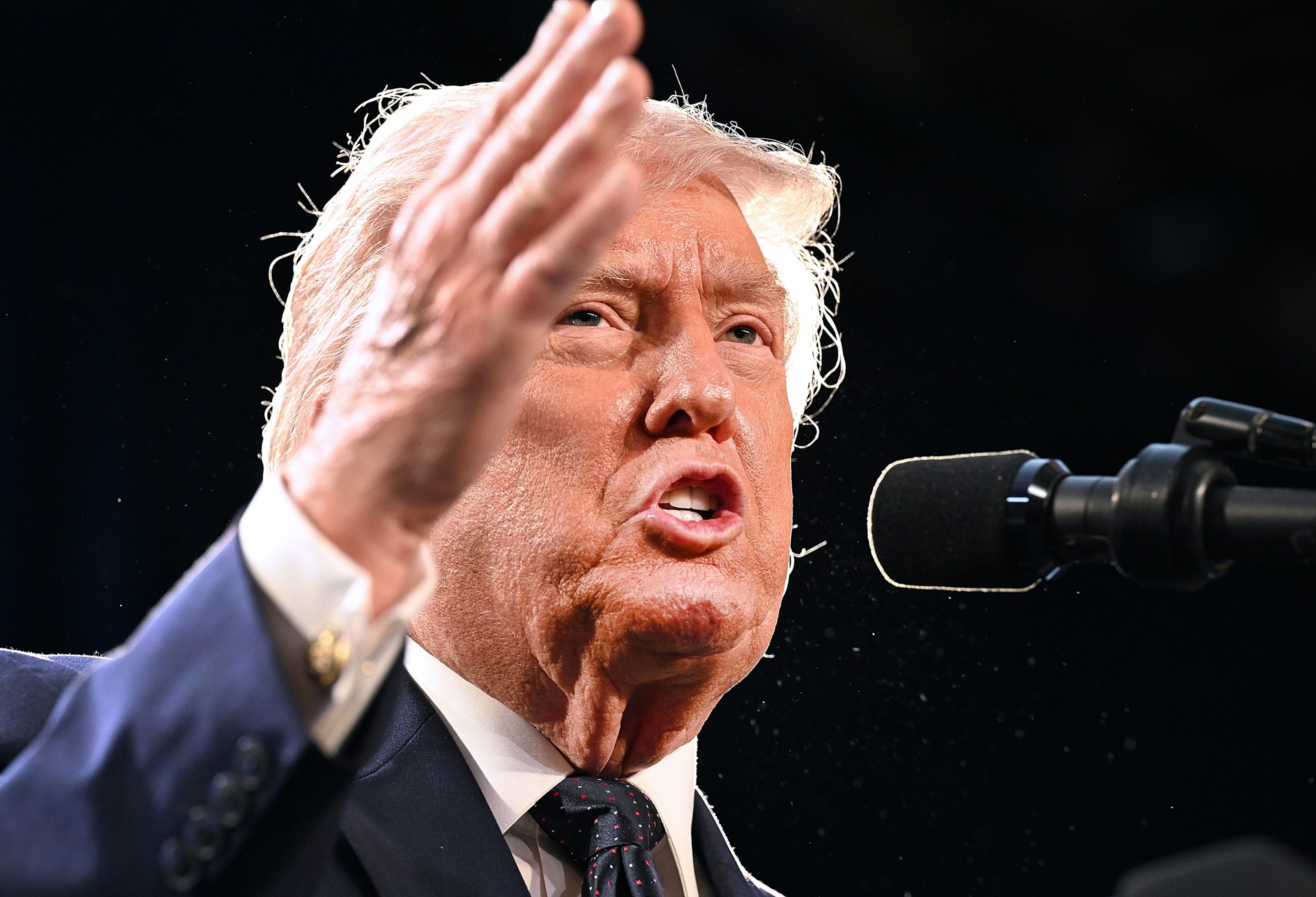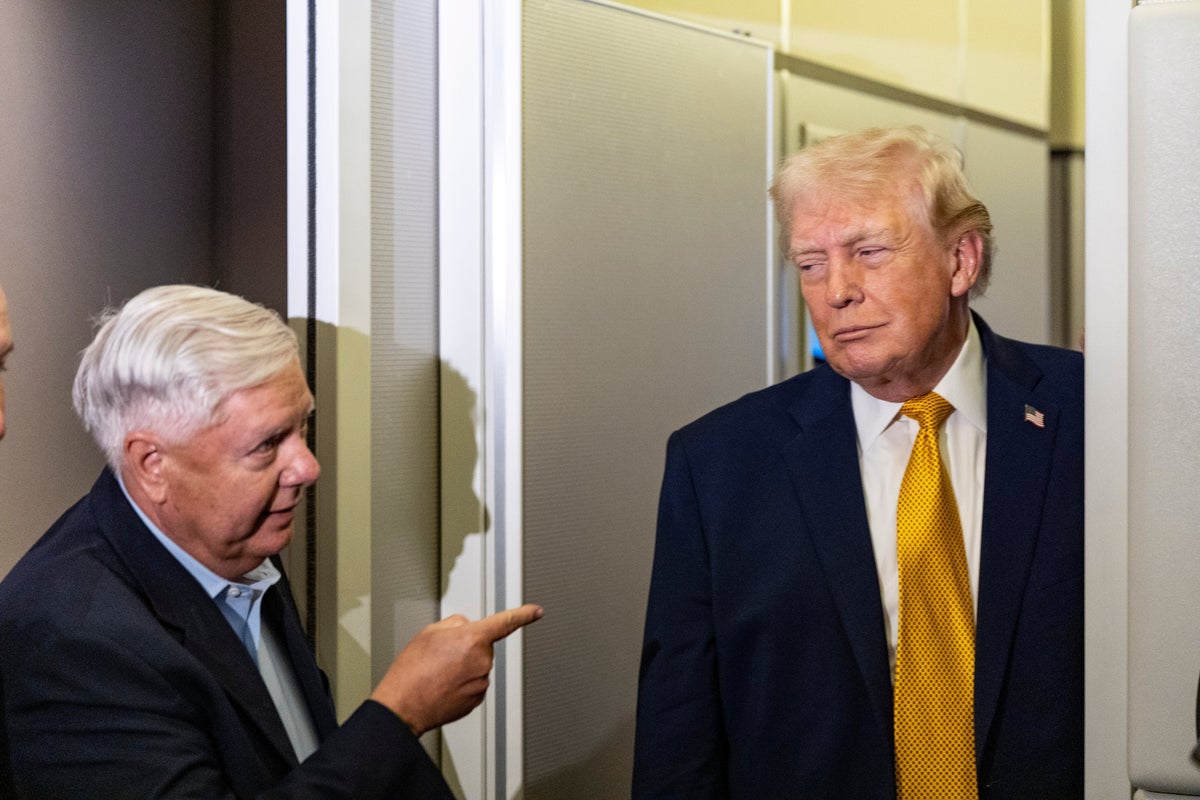
Donald Trump just reminded everyone exactly how power works in the modern Republican party, and he did it while offering a eulogy. Following the sudden passing of Senator Lindsey Graham in July 2026, Trump called into Fox & Friends to reflect on the South Carolina lawmaker's legacy. Instead of a standard, sanitized political tribute, listeners got a bizarre glimpse into the raw, transactional reality of their relationship. Trump claimed that just 45 minutes after Graham gave his famous Senate floor speech denouncing the January 6 Capitol riots, the senator called him in a panic, admitting he made a massive mistake.
If you are trying to understand why American politics looks the way it does today, this single anecdote explains it all. It shows how absolute loyalty became the currency of Washington. It reveals how easily public principles can crumble behind closed doors.
The competitor reports focused strictly on the shock value of the quote itself. But the real story is much bigger than a single phone call. It is about the complete transformation of the conservative establishment and the price of staying inside the room where it happens.
The Fox and Friends confession
During his live phone interview, Trump praised Graham as a workaholic and a great guy, but he could not resist litigating old grievances. He explicitly brought up what he called Graham's one unfortunate moment. That moment was Graham's emotional address on the night of January 6, 2021, when the senator stood before Congress and declared that he was out and that enough was enough.
According to Trump's new timeline, that public defiance lasted less than an hour. Trump told the television hosts that Graham called him 40 or 45 minutes later, asking if he really said those things and expressing deep regret. Trump quoted Graham as saying, "I made a big mistake, what do I do?".
Because of this quick reversal, Trump explained that he scores Graham a 99.9 out of 100. He noted that while some people get a perfect score, Graham's single moment of public hesitation docked him a fraction of a point. It was a classic display of Trump's political ledger. Everyone is constantly graded on their level of submission.
What actually happened on January 6
To understand the weight of this claim, you have to remember the sheer chaos of that night in 2021. The Capitol had just been cleared of rioters. Lawmakers returned to the Senate chamber shaken, angry, and exhausted. When Graham took the microphone, he looked directly at the cameras and delivered what seemed like a definitive break from the Trump movement.
He talked about their shared journey but stated clearly that it had to end. He shot down the legal theories about vice presidential intervention in the vote certification. He looked like a man who had finally drawn a line in the sand.
Trump's latest disclosure flips that entire historical moment on its head. If Trump is telling the truth, Graham was already backtracking before the echo of his own speech had even faded from the Senate chamber walls. He was publicly playing the statesman for the history books while privately begging for forgiveness from the leader of the populist movement.
A history of political shape shifting
This pattern did not start in 2021. Graham was the ultimate survivor of the shifting political tides. Reviewing his career shows a series of dramatic reinventions that trace the evolution of the party itself.
In 2015, Graham was one of Trump's fiercest critics on the campaign trail. He did not mince words. He called Trump a race-baiting, xenophobic, religious bigot. He told voters that Trump did not represent the party and warned that nominating him would lead to destruction. Trump responded by publicly reading Graham's personal cellphone number on television, forcing the senator to record a viral video where he destroyed his own phones with meat cleavers and golf clubs.
Yet, shortly after Trump won the White House, Graham changed his approach completely. He became a regular golfing companion and one of the president's loudest defenders during congressional investigations. He openly admitted his logic to journalists, explaining that he wanted to stay relevant and have an impact on policy. He realized that fighting the conservative base was a losing battle.
The mechanics of modern political loyalty
Many commentators look at Graham's career and see hypocrisy. That is too simple. The reality is much more calculating. Graham understood that in the modern era, traditional legislative power has been replaced by proximity to the executive leader.
If you broke with the top of the ticket, you were immediately cast out into the political wilderness. Your primary challengers got funded. Your voters turned on you. Your phone stopped ringing.
By calling Trump 45 minutes after his speech, Graham was protecting his political life insurance policy. He knew the outrage from the MAGA base would be swift and severe. He needed to ensure that his line of communication with Mar-a-Lago remained open, regardless of what he had to say on the Senate floor to satisfy his institutional conscience.
The meaning of the ninety nine point nine percent rating
Trump's grading system tells you everything you need to know about how he views public servants. A senator is not judged by the laws they pass or the constituents they serve. They are judged by a loyalty test.
A single speech criticizing the leader drops you from a perfect score. Immediate private contrition can get you back to 99.9, but the mark remains on your record forever. Trump brought it up years later, immediately after Graham's death, proving that he never forgets a moment of perceived betrayal.
This dynamic shapes every decision made on Capitol Hill. Lawmakers know that their public statements are constantly being logged, scored, and evaluated. The pressure to conform is absolute because the penalty for dissent is total political isolation.
How to read the political map moving forward
When analyzing breaking political news, do not just look at the surface-level theater of public speeches. The real decisions happen in the quiet moments right after the cameras turn off.
To evaluate what politicians actually mean, look at their actions over a timeline of weeks, not their rhetoric during a single evening crisis. Notice how quickly public figures realign themselves with the centers of power after a major event. Watch how the leadership handles those who step out of line, even temporarily.
The story of the 45-minute phone call is a stark reminder that in Washington, the public show is often just a distraction from the private deal. Power values submission over consistency every single time.