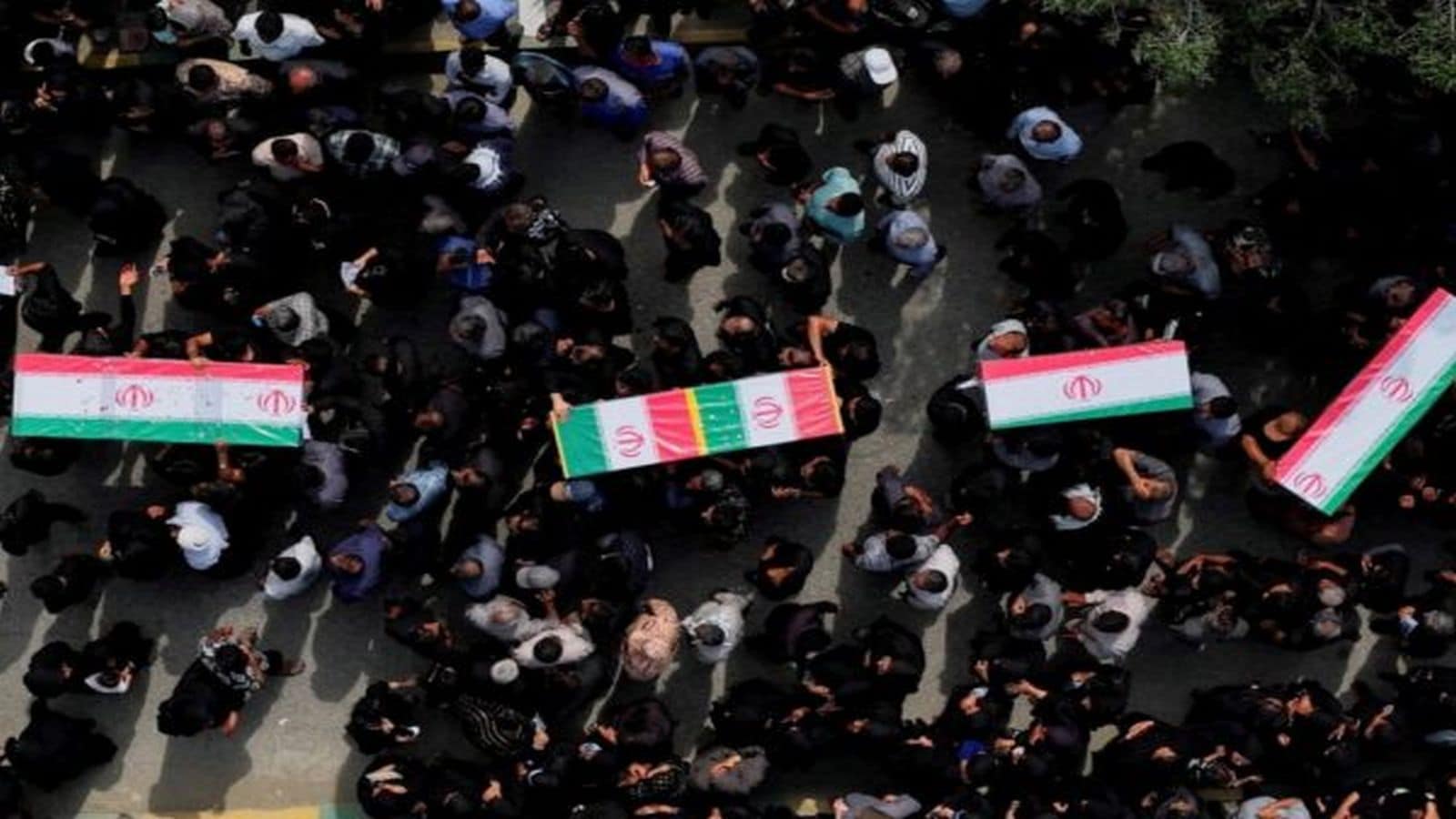
War leaves a messy trail, and the opening day of the conflict in Iran is proving to be a prime example. On February 28, a missile tore through the Shajarah Tayyebeh elementary school for girls in Minab, a city in southern Iran. The attack killed more than 175 children and teachers. Most victims were little girls between seven and 12 years old.
Now, months after the tragedy, accountability is slipping away.
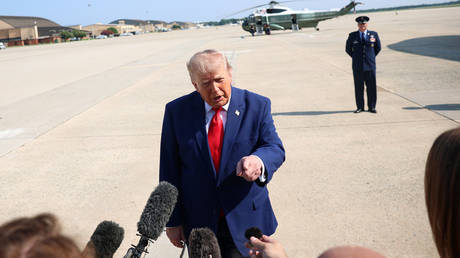
President Donald Trump recently made it clear that the public might never get a straight answer. Speaking alongside NATO Secretary General Mark Rutte and Defense Secretary Pete Hegseth, Trump doubted that American weapons caused the carnage.
"I don't know that they're ever going to solve that problem in terms of whose fault was it because there were missiles flying all over the place," Trump told reporters.
It is a massive shift in tone. Early on, the White House flatly blamed Iran. Then came the line that "mistakes are made". Now, the administration is leaning into the fog of war to distance itself entirely.
The Internal Contradiction in Washington
The administration's public doubt directly clashes with what military investigators found months ago. In March, an initial internal US military assessment pointed the finger back at American forces.
According to military sources, the disaster likely stemmed from an ugly, preventable error: outdated targeting data.
US and Israeli forces launched over 1,000 strikes in the first 24 hours of the air campaign. The volume was staggering. In that chaotic rush, a US missile aimed at an adjacent Iranian naval base likely went off course or misidentified its target. Satellite data shows the school had been clearly walled off from the military facility since at least 2016.
Yet, the weapon found the classroom anyway.
Trump claims he hasn't seen the final Pentagon report. He explicitly said he doesn't expect it to implicate the United States. "If you come up with the right answer, I don't think it's going to be us," he remarked.
Defense Secretary Pete Hegseth stood by, keeping things intentionally vague. He noted the Pentagon takes the matter seriously and will share results when the time is right. That timeline remains completely open-ended.
Congress and the UN Demand Answers
While the executive branch waits out the clock, lawmakers are losing patience. A coalition of 43 US Senators, led by Jack Reed and Sheldon Whitehouse, formally pressed the Department of Defense for hard data.
The senators want specific answers on how a school became a target during a high-speed air campaign. They point to deep budget cuts in civilian protection units—specifically within US Central Command—as a structural reason these errors happen in the first place.
The international community isn't staying quiet either. The United Nations human rights office labeled the strike "absolutely horrific". Under international humanitarian law, hitting a known civilian infrastructure like a school can cross into the territory of war crimes.
Establishing intent is the hard part. The US military maintains it would never deliberately target a school. But as independent investigators point out, negligence via bad data carries its own steep moral weight.
What Happens Next
The Pentagon investigation is still technically open, but public expectations should be heavily managed. When a commander-in-chief signals that a mystery is unsolvable before the paperwork is even finished, the institutional drive to find the truth tends to evaporate.
For regular citizens tracking this conflict, keeping the pressure on congressional oversight committees is the only real path forward. Keep an eye on the Senate Armed Services Committee's upcoming defense budget hearings. That is where lawmakers will have the chance to force the Pentagon to hand over the actual flight logs and targeting records from the February 28 strike. Without that raw data, the tragedy in Minab will simply be swept under the rug of wartime collateral damage.