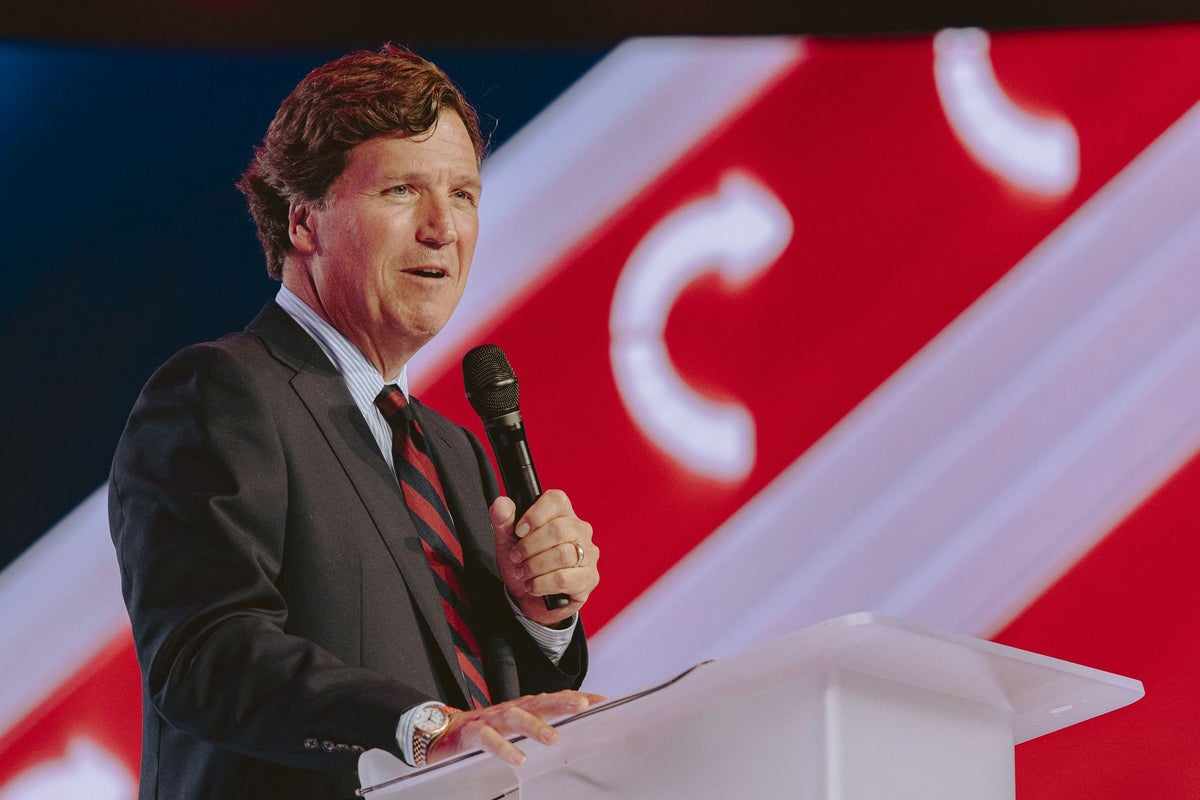
Rumors about political outsiders jumping into presidential races always pick up steam when voters grow tired of the usual suspects. Lately, internet chatter and political podcasts have buzzed with speculation that Tucker Carlson might launch a bid for the White House, especially after high-profile figures like Marjorie Taylor Greene openly split from the Republican establishment.
Let's clear this up right now. Tucker Carlson isn't running for president.
If you look closely at what Carlson and Greene are actually doing, you'll see a different strategy unfolding. They aren't preparing a traditional presidential campaign. Instead, they are trying to reshape the conservative conversation from the outside, capitalising on deep frustrations within the voter base without taking on the grueling machinery of a major party primary.
The Real Story Behind the Split
The chatter about a potential run gained momentum after Carlson and Greene publicly cut ties with the modern Republican Party. Both figures, who once stood as pillars of the populist right, voiced intense anger over foreign policy decisions, ballooning federal spending, and what they characterize as an abandonment of core domestic promises.
When Carlson announced he was done supporting the GOP during a podcast appearance, he didn't pitch a new political career for himself. He simply stated he was walking away. Greene echoed that sentiment, emphasizing that millions of voters feel betrayed by party leadership.
Naturally, political observers connected the dots. If prominent populist voices are breaking away from the two-party mold, people assume a third-party presidential run must be next. But building an actual presidential campaign requires a massive infrastructure, billions of dollars, and disciplined ground operations that neither Carlson nor Greene has shown any interest in assembling.
Why Media Power Trumps Running for Office
Running for president is a grind. You have to kiss babies in Iowa, memorize local issues in New Hampshire, and endure endless scrutiny from federal election committees. Why would someone with a massive media platform choose that headache?
Carlson reaches millions of people daily through his independent digital broadcasts. He commands attention without needing a campaign bus or a super PAC. Stepping into the ring as a candidate would instantly limit his reach, bind him to strict campaign finance laws, and turn him into just another target on a debate stage.
Media commentators hold a unique kind of leverage. They can critique power without having to wield it. Carlson knows this. Staying off the ballot keeps him dangerous to the establishment while shielding him from the compromises required to win a national election.
What Voters Are Actually Feeling
The real takeaway here isn't about a candidate. It's about a mood.
Polls consistently show that a massive chunk of the American electorate hates both major parties. Millions of people feel ignored by standard platforms. When high-profile commentators validate those frustrations, voters listen.
If you are trying to understand where American politics is heading, stop looking for a savior on a ballot. Pay attention to the shifting fault lines inside political coalitions instead. The conservative movement is fracturing over foreign wars and economic priorities, and that split will impact elections long before any hypothetical 2028 match-up.
Keep an eye on how independent media shapes policy debates. Watch which issues gain traction online rather than focusing on rumors about who might run. That is where the real political power lives right now.


