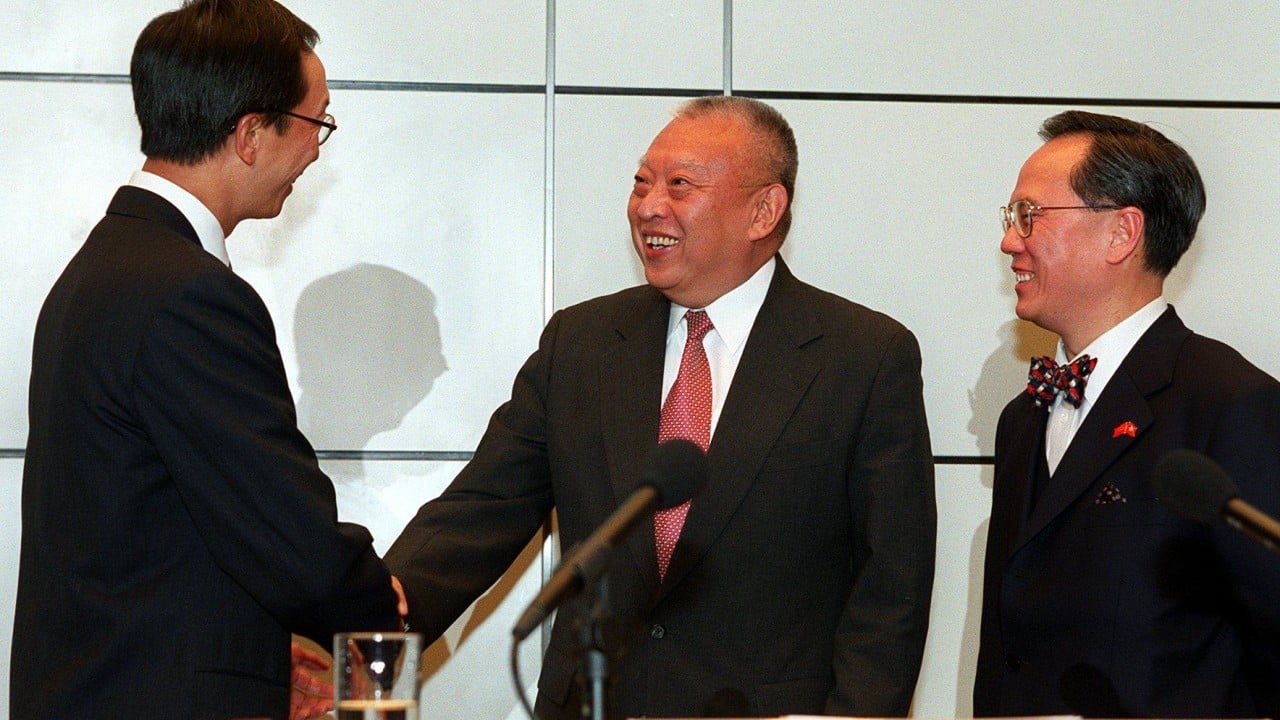
Stepping into history's storm is never easy, but Tung Chee-hwa did it with a quiet composure that defined an entire era. As Hong Kong's first chief executive following the 1997 handover, he inherited a city gripped by immense anxiety, shifting loyalties, and enormous geopolitical expectations. When he passed away at the age of 89, the tributes poured in, painting a picture of a man whose heart remained fiercely devoted to the city despite facing unrelenting turbulence.
History often judges leaders by the crises crashing against their shores. For Tung, those waves arrived almost immediately.
The Shipping Tycoon Thrust Into Politics
Long before he ever occupied the highest office in the territory, Tung ran his family's massive shipping enterprise, Orient Overseas Container Line. He understood global commerce, logistics, and international trade lines. He wasn't a career politician polishing soundbites. He was a businessman thrown into the deep end of post-colonial statecraft.
When Beijing and London finalized the handover agreement, leaders needed someone who enjoyed the trust of the mainland while retaining credibility with the international business community. Tung fit that mold. But running a corporation is vastly different from managing a restless, rapidly modernizing metropolis of millions.
Navigating Historic Crises
Tung’s tenure from 1997 to 2005 reads like a disaster playlist. Almost right out of the gate, the Asian Financial Crisis struck, puncturing property bubbles and sending shockwaves through local markets. Just as the economy fought to stabilize, the SARS outbreak of 2003 paralyzed tourism, retail, and public health systems.
People forgot how terrifying those months were. Streets emptied. Hospitals filled. Fear gripped every corner of the community.
Then came the political flashpoints. The push over national security legislation sparked massive street protests in July 2003, fundamentally altering the local political landscape. Tung faced heavy criticism from all sides. Pro-democracy groups felt he moved too close to Beijing, while establishment hardliners occasionally found his consultative style too cautious. He tried to please everyone, which usually means pleasing no one.
Yet, looking back with some distance, his defenders point to his underlying decency. He was remarkably approachable, patient, and polite, even when constituents yelled complaints directly into his face. He listened.
Laying Tech Foundations That Mattered
While headline battles dominated the news cycles, Tung planted seeds for the future that people often overlook. Long before tech hubs became trendy buzzwords in policy circles, he pushed for digital infrastructure, innovation parks, and science investments. He saw that manufacturing alone wouldn't sustain the territory's economy.
He championed the idea that the local talent pool needed diversification. Cyberport and various science park initiatives trace their early strategic momentum back to his administration's focus on modernizing the economy beyond traditional real estate and financial services.
The Elder Statesman Chapter
After stepping down in 2005 citing health reasons, Tung didn't fade into quiet obscurity. Instead, he transitioned into an influential elder statesman and backchannel diplomat.
He used his international connections to bridge gaps, especially during tense periods in China-US relations. Western diplomats and policy analysts frequently sought his private counsel because he spoke fluent English, understood Western corporate mentalities, and held direct lines to mainland leadership. He operated behind the scenes, smoothing over misunderstandings where megaphone diplomacy failed.
Rethinking a Legacy
History is rarely black and white. Tung Chee-hwa's years in power drew fierce debate, and public frustration at the time was entirely real. Housing targets fell short, economic recovery felt agonizingly slow, and political divisions deepened.
At the same time, his dedication to the city never wavered. He weathered crises that would have broken lesser figures, handling immense pressure with quiet dignity. When you look at the complex architecture of modern Hong Kong, his fingerprints are everywhere—in the economic structures, the geopolitical reality, and the ongoing quest for balance between local identity and national integration.
He steered the ship through the roughest waters imaginable, and for that, his place in history remains secure.