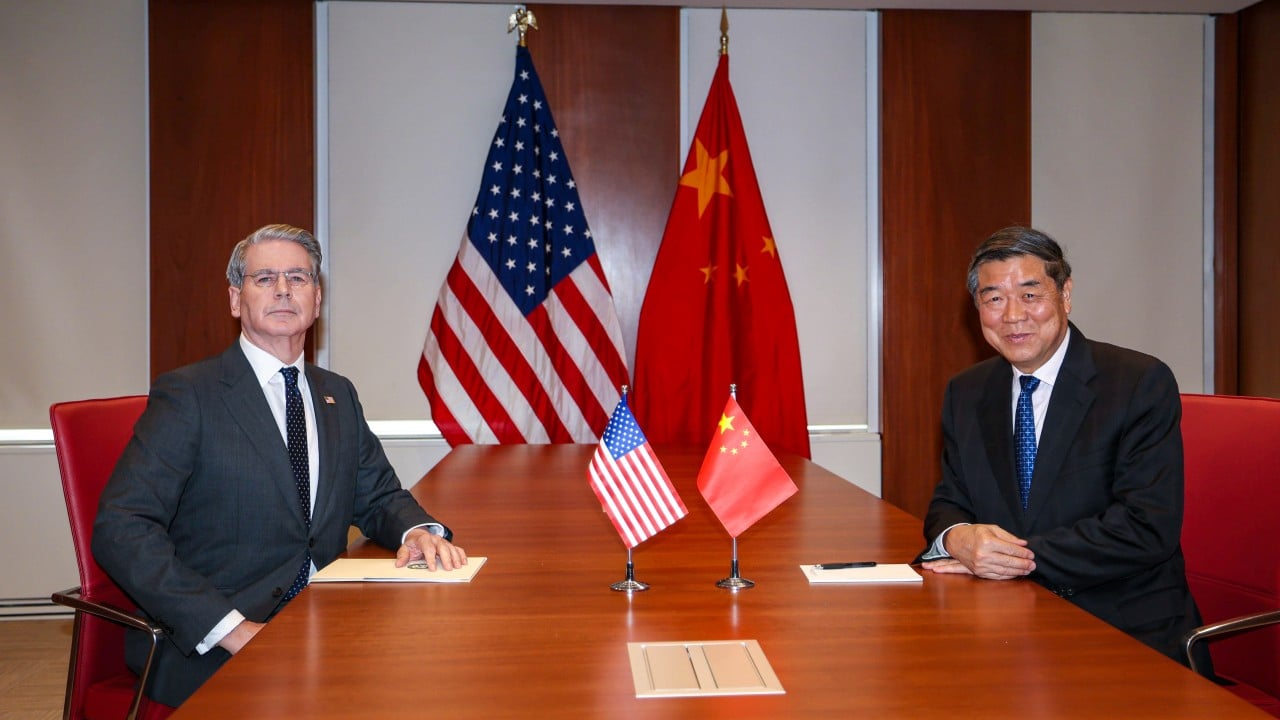
When top economic officials from Washington and Beijing sit down to hammer out a temporary fix instead of a permanent deal, you know the underlying friction is far from resolved. The decision to stretch the existing trade truce by just two months—pushing the deadline from November to January 10—tells us a lot about the state of global commerce. US Treasury Secretary Scott Bessent and Chinese Vice Premier He Lifeng met at the World Bank in Washington to lock in this short-term extension, buying a little breathing room ahead of high-stakes political meetings. But make no mistake. This narrow two-month window signals deep, unyielding rifts rather than a smooth march toward long-term economic harmony.
If you are running a supply chain or betting on global market stability, a two-month extension is basically a blinking yellow light. It is not a green light to expand aggressively. It is a sign to stay nimble, keep your hedging strategies active, and expect volatility to return the moment the calendar flips to mid-January. Learn more on a similar issue: this related article.
Why Washington Settled for a Short Runway
Everyone expected a full one-year rollover of the original Busan Agreement, which was struck when President Donald Trump and Chinese leader Xi Jinping met in South Korea. Instead, Washington dug its heels in. Why? Because Beijing is lagging behind on concrete commitments.
US officials pointed directly to unfulfilled promises, including a shortfall of roughly $17 billion in promised purchases of American agricultural products like soybeans. When compliance falls behind schedule, Washington loses patience. Rather than rewarding a sluggish partner with a clean one-year extension, the Treasury opted for a tight leash. More reporting by Business Insider delves into related perspectives on the subject.
This strict approach forces China to prove compliance in real-time. If Beijing wants a broader economic package by January, they have to close the delivery gap immediately. If they drag their feet, the truce simply lapses or faces immediate renegotiation under harsher terms.
The Real Battlegrounds Beyond Traditional Tariffs
Trade wars used to be about steel, cars, and agriculture. Today, the fault lines run much deeper into technology and national security architecture.
During the latest round of talks in Washington, US trade representatives and Chinese negotiators spent significant time hammering out parameters for artificial intelligence. Both sides floated proposals to establish an alert notification system for AI-related cyber hacking incidents and rogue automated threats.
This is a critical pivot. Technology is no longer just a commercial sector; it is a primary national security threat vector. When two rival superpowers try to create emergency hotlines for out-of-control AI agents or cross-border cyber weapons, it shows you how high the stakes have climbed. They are trying to build guardrails against a digital catastrophe while simultaneously fighting over market dominance in semiconductors and critical minerals.
What This Means for Exporters and Investors
If you are trying to map out your business strategy for the next year, stop waiting for a grand economic reconciliation. It is not happening. What you are seeing instead is managed competition.
- Expect Supply Chain Friction: Tariffs on billions of dollars worth of goods remain heavily scrutinized, and discussions regarding a potential reduction on $30 billion of non-sensitive items are moving at a glacial pace.
- Watch the January Deadline: January 10 is the hard stop. If enforcement metrics on agricultural purchases and tech export controls do not improve, expect renewed tariff threats.
- Factor in AI Compliance: Cross-border digital security rules are tightening. If your operations rely on tech integration or data exchange across the Pacific, compliance costs are going up.
The two-month extension is a temporary band-aid slapped over a structural fracture. Treat it as a warning shot, adjust your inventory timelines, and stop planning for a permanent ceasefire that neither side is ready to deliver.