Two passenger train derailments in less than twenty-four hours across southeast England have exposed deep vulnerabilities in the country's transport infrastructure. When steel tracks twist under pressure, nobody escapes unscathed.
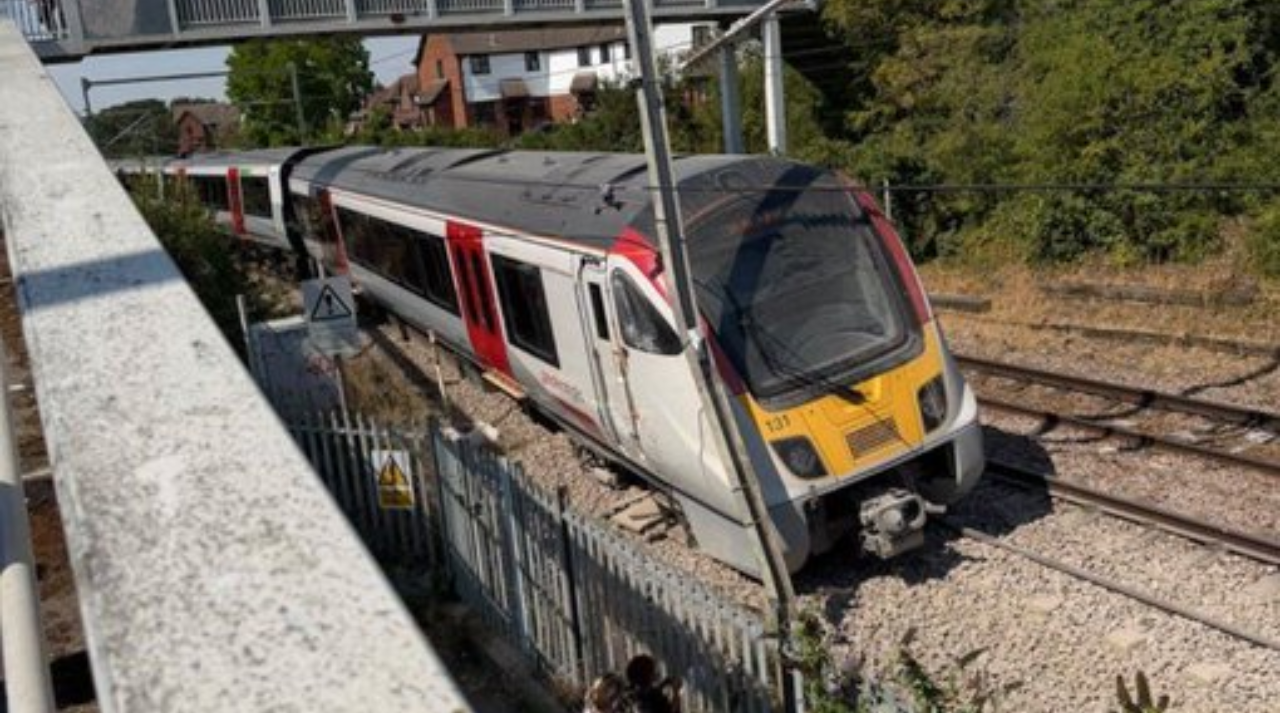
The chaos began on Thursday afternoon near Lewes in East Sussex. A Southern Railway service carrying about 150 passengers from London Victoria to Eastbourne veered off the rails, causing multiple carriages to overturn and injuring nearly twenty people. Just as investigators scrambled to figure out what went wrong, lightning struck twice. On Friday afternoon, a Greater Anglia train derailed near Wickford in Essex. Thankfully, those rear carriages stayed upright, and no injuries were reported. Still, two major incidents back-to-back aren't just bad luck. They're a glaring warning sign. Discover more on a similar issue: this related article.
The Heat Factor Nobody Can Ignore
Extreme weather is quickly shifting from an environmental talking point to an immediate mechanical threat. England has been baking under a fierce summer heatwave, with temperatures soaring past 35°C in affected areas.
Steel expands when it gets hot. Railway tracks are engineered to handle thermal expansion, but historical infrastructure has limits. When ambient temperatures climb, steel rails can absorb heat and reach temperatures twenty degrees higher than the air around them. Track buckling happens fast. A rail line that looks completely safe during a morning inspection can deform under the sheer weight of a moving train by the afternoon. Additional analysis by USA.gov highlights similar perspectives on the subject.
Engineers call this loss of track alignment. Passengers just call it terrifying.
Aging Infrastructure Meets Modern Extremes
Network Rail deals with high temperatures by imposing emergency speed restrictions or painting tracks white to reflect solar radiation. But these old-school patches feel increasingly inadequate.
We're asking Victorian-era networks to perform in a twenty-first-century climate reality. When inspection crews checked tracks near Lewes less than twenty-four hours before Thursday's crash, they cleared the line. That means traditional visual inspections might not catch rapid thermal deformation before disaster strikes.
You can't rely on routine checks when the climate is changing faster than maintenance schedules can adapt. The Rail Accident Investigation Branch has launched full inquiries into both sites, but accountability requires more than a post-mortem report. It demands immediate upgrades to how rail systems monitor track stress in real-time.
What Needs to Change Right Now
If you're commuting across the UK rail network this summer, expect delays and tighter safety protocols. Rail operators are ramping up ad-hoc safety checks across multiple lines, from Chiltern Railways to TransPennine Express.
Operators must invest heavily in automated heat sensors and continuous stress-monitoring technology rather than waiting for drivers to feel the tracks rock violently beneath them. Commuters deserve a transport network that doesn't gamble with passenger safety every time the thermometer climbs.
Check your journey before you leave the house, hold operators accountable, and expect the rail industry to prove it can handle the heat.
Passengers Rescued After Train Derails in Southeast England
This video provides on-the-ground footage and visual context of the emergency response following the recent derailment incidents in southeast England.
http://googleusercontent.com/youtube_content/1