The recent decision by the United Arab Emirates to suspend trade with Iran is sending shockwaves through Middle Eastern markets. Many analysts are scrambling to define this move as either a geopolitical masterstroke or a knee-jerk reaction to regional violence. If you look past the headlines, it's clear this is a calculated shift, not just a response to immediate tensions.
The UAE isn't just closing a few shipping lanes. They are attempting to redraw the boundaries of economic engagement in a region that has long relied on the Emirates as a financial bridge.
What is Really Happening with UAE Iran Trade
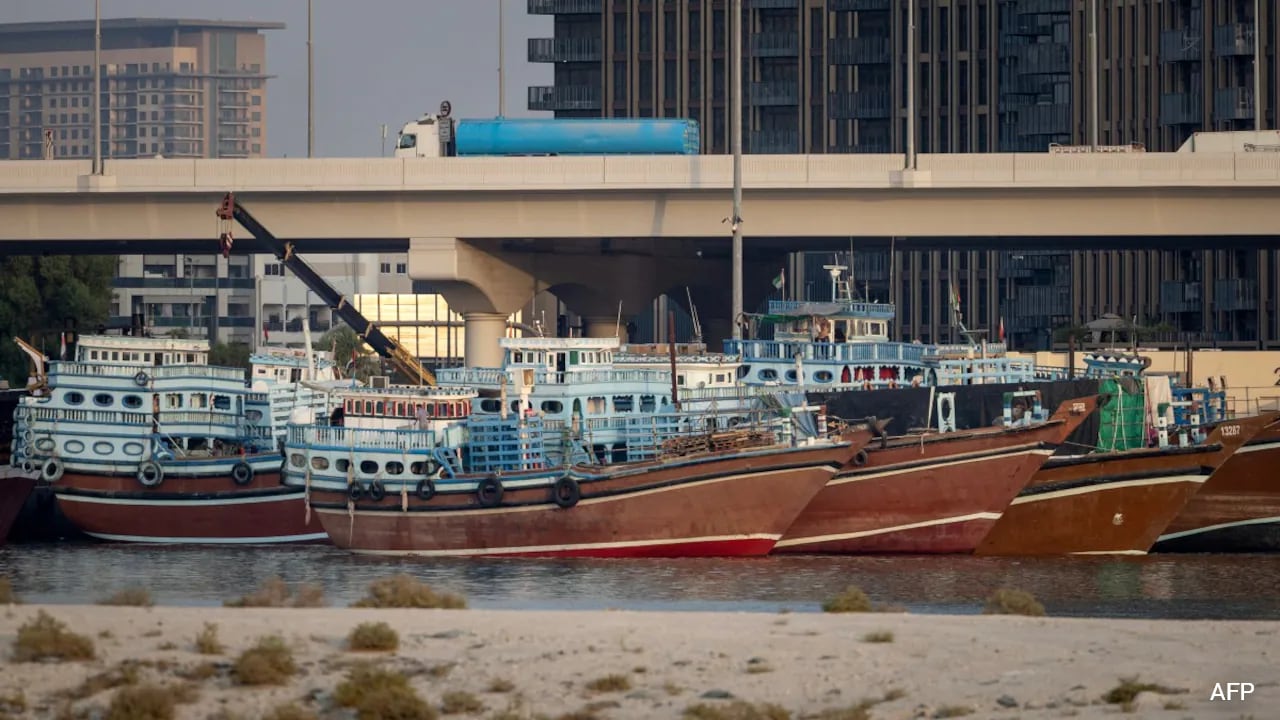
For years, the UAE served as the primary gateway for Iranian imports. It wasn't unusual for nearly a third of all Iranian imports to flow directly through Emirati ports. When you stop that flow, you don't just create a minor inconvenience; you create a massive bottleneck for an economy already struggling under heavy international sanctions.
The official explanation from Abu Dhabi cites regional escalations. That's vague, but it's diplomatic speak for a breaking point. When you have repeated incidents involving tanker security in the Strait of Hormuz, maintaining "business as usual" becomes impossible.
I’ve spent enough time watching these regional dynamics to know that governments don't cut off multi-billion dollar trade routes unless the cost of doing business finally outweighs the benefits. The financial figures are staggering. In the months leading up to this shift, Iran relied on the UAE for roughly $21 billion in annual imports. That revenue doesn't just vanish; it forces Tehran to find riskier, more expensive, and less efficient supply chains.
Why This Move Goes Beyond Simple Politics
You’ll hear many pundits argue that this is purely about bowing to United States pressure. While the timing aligns with Washington’s latest economic campaign against Tehran, attributing this solely to American influence ignores the UAE's own security interests.
Think about it from an Emirati perspective. You have an economy built on stability, logistics, and global connectivity. When your neighbor repeatedly targets maritime traffic that is vital to your own national interests, you have two choices: continue absorbing the risk or stop the economic support that provides them the means to act.
This isn't just a political signal to Washington. It's a defensive measure.
The Illicit Flow Problem
Here is where it gets complicated. Even with a total trade freeze, the reality of global finance is messy. A lot of the commerce between these two nations historically moved through murky, shadow-banking channels. You have shell companies in places like Hong Kong moving billions in oil revenue that never actually touches an Emirati bank account directly.
Halting official trade is a bold public step, but it might not stop the shadow economy entirely. If you want to understand if this will actually hurt the Iranian regime, watch the secondary sanctions. If the US Treasury starts hitting the financial institutions that facilitate these shell companies, that’s when you’ll see real impact.
What to Expect Next for Regional Markets
If you’re looking at the immediate aftermath, expect volatility. Businesses that relied on the Dubai-Tehran trade corridor are currently forced into a corner. Companies that have spent decades setting up supply chains between these two markets are now effectively operating in a legal and logistical vacuum.
- Supply Chain Pivot: Expect Iran to lean even harder on alternative hubs. This will increase their operational costs significantly.
- Enhanced Due Diligence: Every bank in the Gulf is currently auditing their clients with renewed intensity. If you are doing business in the region, expect your paperwork burden to double.
- Maritime Security: Shipping insurance premiums in the Strait of Hormuz are already climbing. This isn't just about trade; it’s about the cost of moving goods globally.
The Reality of Sanctions Enforcement
The biggest mistake observers make is assuming that government announcements lead to instant, total compliance. I’ve seen this play out before. The policy is announced, but the real work happens in the gray areas of corporate law and logistics.
True economic isolation requires constant, tedious enforcement. It requires monitoring thousands of disparate transactions, identifying the true owners of shell companies, and maintaining the political will to punish those who break the blockade.
The UAE’s move is a significant disruption. However, don't mistake a loud announcement for an immediate resolution. The real game will be played out in the coming months by auditors, customs officials, and private companies navigating a rapidly changing map.
If you are involved in regional trade, stop waiting for things to return to normal. The structure of how goods move through the Gulf has fundamentally shifted. Protect your supply chains, double down on your compliance, and prepare for a long period of uncertainty.