You arrive at Heathrow, coffee in hand, ready to board a flight, only to see red cancellation notices blinking across the departures board. Frustration boils over. Another technical glitch has brought Britain's airspace to its knees.
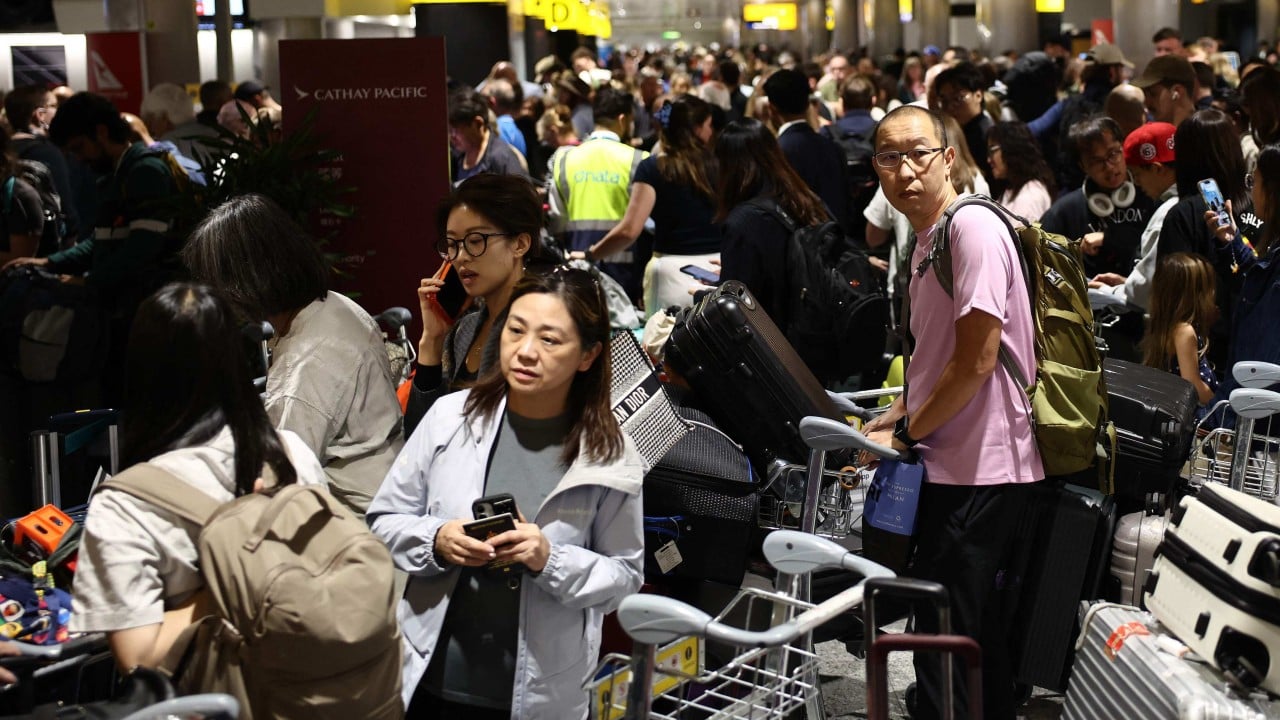
The latest breakdown at the National Air Traffic Services (NATS) didn't just delay a few flights. It triggered a domino effect, scrapping roughly 1,300 flights on day one and forcing another 150-plus cancellations the next morning. Airlines scrambled, passengers slept on terminal floors, and executives pointed fingers.
Why does this keep happening?
The Anatomy of a System Breakdown
When NATS reported a system issue, the immediate fallout hit London Heathrow hardest. Arrivals were temporarily suspended. FlightRadar24 data showed hundreds of scrubbed services before airlines even had time to rebook stranded customers.
Healthcare workers stuck on runways for hours described exiting terminals as trying to break out of a maximum-security prison. Ryanair's chief operating officer Neal McMahon didn't mince words, publicly calling for NATS boss Martin Rolfe to be fired over repeated failures.
Rolfe accepted full responsibility while dodging questions about his resignation. Meanwhile, Transport Secretary Heidi Alexander held meetings demanding answers. But meetings don't clear backlogs or get families to their holiday destinations.
Recurrent Nightmares for Passengers
This isn't an isolated incident. Anyone who flies through British airspace remembers the catastrophic failures of recent years. In 2023, a massive air traffic control meltdown stranded over 700,000 passengers. Prior glitches in July caused widespread misery too.
The underlying problem is structural fragility. UK airspace relies on legacy architecture that buckles under high-volume pressure. When a single technical glitch hits, the recovery time spans days rather than hours.
Airlines bear the immediate financial brunt, but passengers pay with lost time, missed connections, and wrecked holiday plans. Even sports teams feel the pinch. Arsenal had to cancel a pre-match press conference in Italy because their flight out of the UK was severely delayed by the airspace gridlock.
What You Should Do When Airspace Fails
You can't control NATS or force system upgrades. You can, however, protect your travel plans when chaos strikes.
- Track flights independently: Don't rely solely on airport monitors. Use real-time tracking apps like FlightRadar24 to spot cancellations before you leave home.
- Know your passenger rights: Under UK and EU aviation rules, carriers must provide food, drink, and hotel accommodation during extended delays. Push for your entitlements immediately.
- Book early flights: Morning departures leave the terminal before delays compound throughout the day.
Fixing Britain's skies requires massive capital investment and accountability from top management. Until real changes happen, expect the next glitch to catch everyone flat-footed.
Check out this UK airport disruption report for a closer look at the immediate aftermath of the technical failures.
http://googleusercontent.com/youtube_content/1