What Ukraine Boat Drones in Libya Mean for Global Naval Warfare
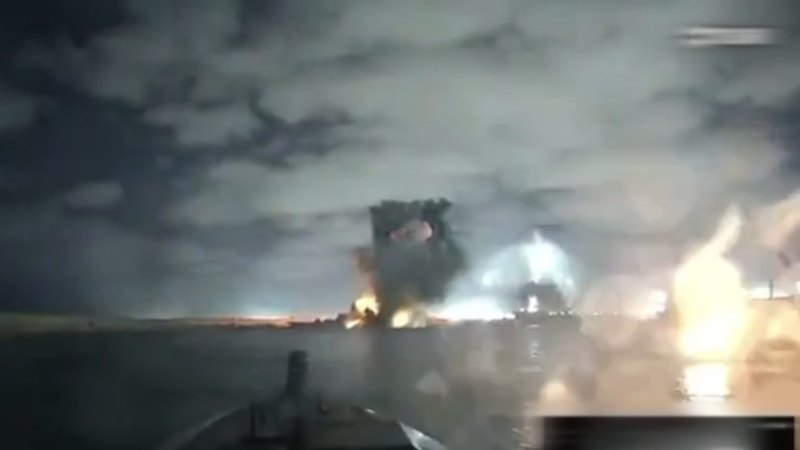
Seven unmanned surface vessels slipped into the waters off Benghazi on Sunday, November 22, 2026, and turned one of Russia's newest warships into scrap along a Libyan pier.
Ukrainian President Volodymyr Zelenskyy called the operation "exemplary" on Monday morning. He confirmed that Ukrainian forces—working alongside the Security Service of Ukraine (SBU)—used naval drones to sink the Steregushchiy-class corvette Merkury and hit the Russian dry cargo ship MV Angara, which Kyiv says Moscow used to haul weapons. Commercial satellite imagery from Vantor, reported by outlets including TIME and Naval News, showed a vessel partially submerged beside a Benghazi pier with smoke, darkened blast marks, and debris scattered along the quay.
If you only read quick wire summaries, you might think this was just another Black Sea skirmish with a different pin on the map. It's not. A strike in North Africa changes the math of naval security, proxy logistics, and port risk far beyond Eastern Europe.
How Ukraine Reached Benghazi Without Crossing an Ocean on Fuel Alone
People keep asking a simple question: how does a country fighting a brutal war in Eastern Europe push small explosive boat drones all the way to Libya?
Unmanned surface vessels—essentially high-speed, remotely piloted or semi-autonomous explosive boats—don't normally cross thousands of kilometers of open sea on a single tank of fuel. According to reporting from The Guardian, Naval News, and the Associated Press, the SBU stated that the drones were transported to a designated area and launched from a "mother ship" operating near the target zone. That mothership tactic is the real engineering and operational story here.
Instead of sending tiny boats on a marathon transit where rough Mediterranean swells or radar patrols could pick them off early, a larger vessel carries them close to the coast and releases them for the final sprint. Think of it like a carrier plane dropping precision munitions just outside air-defense range, except the munition skims right across the waves.
And the Merkury wasn't an aging Soviet relic rusting in reserve. Commissioned in 2023 during the full-scale war, it belonged to the Project 20380 Steregushchiy class—vessels Russian state media had hyped for stealth features and modern missile systems. A Ka-27 combat helicopter aboard the ship was also reported lost in the strike. When a relatively new corvette moored in a foreign port can be sunk by cheap unmanned craft launched from a mothership, traditional naval assumptions start looking pretty shaky.
Why Libya Became a High-Stakes Chessboard for Moscow
To understand why Benghazi mattered so much to the Kremlin, you have to look at how Russia's Mediterranean footprint has shifted. With Moscow's position in Syria severely weakened after losing its bases there, eastern Libya became even more valuable as a logistics hub and staging post for Russian military personnel and mercenary operations across North Africa and the Sahel.
For years, Russia has backed Khalifa Haftar's eastern Libyan authorities based in Benghazi. Cargo vessels and naval escorts moving supplies into Libyan ports keep Moscow's African reach alive. When Ukrainian forces hit MV Angara—a dry cargo vessel accused of weapons transport—and sank Merkury at the dock, they weren't just destroying hulls. They were targeting the supply chain feeding Russian influence south of the Mediterranean.
A dangerous spillover: Eastern Libyan authorities reportedly appealed to U.N. Secretary-General António Guterres and the U.N. Security Council for an international investigation into whether western Libya was used to prepare or launch the attack. Meanwhile, the Libyan coast guard reported another sea drone strike hitting a Maltese-flagged commercial vessel off Benghazi hours after the warship attack, highlighting the real risk to civilian shipping and port infrastructure.
That point deserves extra scrutiny because it's where well-meaning commentary often gets sloppy. Honestly, claiming every maritime incident off Libya is cleanly settled in real time is a mistake. Fog of war is real, attribution in contested waters can get messy fast, and ports aren't sterile military bases—they're bustling commercial hubs where merchant ships, local workers, and neighboring coastal states share tight sea lanes.
What This Means for Global Shipping, Defense Planners, and Observers
Watching drone warfare go global isn't just an academic exercise for defense analysts. It affects real people in practical ways.
- Commercial shipping faces higher war-risk pressure: Even when strikes target military or weapons-linked vessels, nearby commercial ships operate in the same waters. Insurers and shipowners watch incidents like Benghazi and recent strikes in the Baltic Sea closely because proximity to a combat zone drives up risk premiums and rerouting calculations.
- Port security is playing catch-up: A moored warship with helicopter support still had to fend off low-profile surface drones coming in at water level. Harbor defense radars, small-craft patrols, and perimeter netting take on urgency when a low-cost drone can punch above its weight.
- Proxy theaters carry political blowback: Striking targets in a divided country like Libya creates headaches not just for Moscow, but for local factions caught in the crossfire. As analysts noted in The Guardian, eastern Libyan leaders face tough questions about security, sovereignty, and how to respond without inviting wider chaos.
What You Can Do Next to Track This Story Accurately
If you follow maritime security, geopolitical risk, or the war in Ukraine, don't rely on viral clips or single-line headlines.
- Cross-check official claims against independent imagery: Compare statements from Kyiv, Moscow, and local Libyan authorities against commercial satellite imagery (such as Vantor or Maxar releases) and maritime tracking reports.
- Watch the diplomatic and legal fallout: Track whether the U.N. Security Council takes up eastern Libya's request for an investigation and how Mediterranean states respond to drone activity near international shipping lanes.
- Follow specialized naval and defense reporting: Read outlets like Naval News alongside major wire and international coverage such as The Guardian and PBS News to separate verified hardware details from rumor.