You smell it before you see it. A heavy, chemical weight hangs in the air across Sharjah, Ajman, and Umm Al Quwain, catching residents off guard during their morning commutes. It is not just an annoying scent. It is the physical signature of an offshore environmental disaster that has forced the United Arab Emirates to slam the brakes on its coastal tourism and fishing industries.
The Ministry of Climate Change and Environment didn't waste time once automated monitoring systems flagged the anomaly. A tanker oil spill hit the pristine coastline of Umm Al Quwain, turning azure waters into a containment zone. Every single beach and coastal stretch in the emirate is now strictly off-limits. If you had weekend plans by the water, you're out of luck.
What Actually Happened Off the Coast
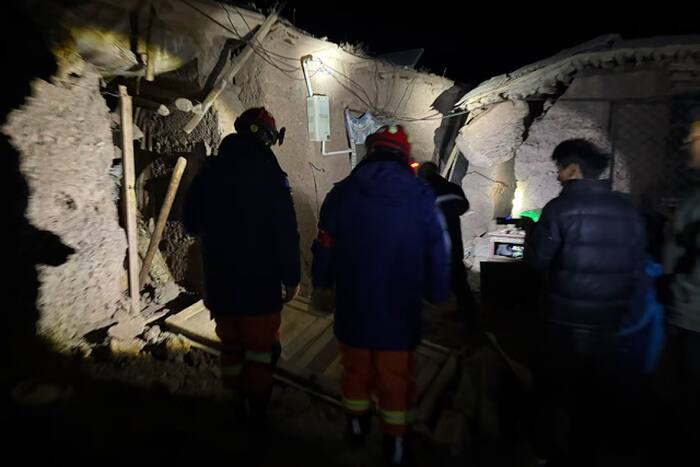
Details are precise. The UAE's technical monitoring arrays detected aberrant hydrocarbon levels creeping onto the shorelines, prompting an immediate multi-agency mobilization. Local and federal emergency response squads descended on the beaches, cordoning off sensitive zones and deploying boom barriers to stop the sludge from migrating further.
Cleanup crews are working around the clock, skimming the surface and scraping contaminated sand. But containment is only half the battle. When marine pollution of this scale hits shallow coastal ecosystems, the ecological bill comes due fast. Mangrove roots, local fish populations, and nesting shorebirds bear the brunt of the toxic exposure.
Fishermen have been explicitly told to anchor their boats and stay clear of the affected zones. For commercial and artisanal fishers who rely on these waters day in and day out, this shutdown isn't just an inconvenience. It is an immediate hit to their livelihood.
The Mystery and the Odor Across the Northern Emirates
Long before the beach barricades went up, residents across the northern emirates started flooding social media with complaints about a pungent, petroleum-like stench drifting through the night air. People worried about their health, wondering if toxic fumes were sweeping through residential neighborhoods.
The government stepped in quickly to calm nerves, issuing statements insisting that the airborne odors pose no direct health risks to the public. Even so, smelling petroleum miles inland gives you a visceral reminder of how fragile coastal metropolitan areas really are. When things go wrong at sea, the land feels it almost immediately.
Environmental assessment teams are currently flying coastal surveys and running continuous water-quality tests to map the exact footprint of the spill. They want to know how much oil leaked, where it drifted from, and how long remediation will take.
Why This Spill Stings So Much More Right Now
Maritime incidents don't happen in a vacuum. Regional shipping lanes in the Arabian Gulf have faced mounting security challenges amid ongoing geopolitical friction and military escalations across the Middle East. With commercial vessels and supertankers navigating tense waters, the risk of collateral environmental damage has skyrocketed.
When a tanker takes a hit or suffers a mechanical failure, the local coastline pays the price. The UAE has built its global reputation on hyper-modern infrastructure, pristine tourism spots, and safe coastal living. Incidents like this disrupt that image, exposing the vulnerability of Gulf states to maritime accidents that originate miles offshore.
Officials haven't put a hard calendar date on when the beaches will reopen. They are playing it safe, keeping the yellow tape up until technical teams sign off on complete remediation.
If you are living in or visiting the northern emirates right now, skip the coastal trips. Respect the barricades, listen to local authorities, and let the cleanup crews finish their job. The coast will open back up eventually, but rushing the process only invites long-term ecological damage that no amount of tourism marketing can easily fix.