World leaders are arriving in New York for the 81st United Nations General Assembly under a dark shadow. Multiplied conflicts, broken trust, and escalating confrontations have turned the annual diplomatic gathering into high-stakes theater. The United States and Iran are locked in an active war. Gaza and Ukraine continue to burn. The grand hall of the UN feels less like a forum for peace and more like a stage for posturing.
If you are wondering why this year matters more than usual, look at the speakers list and the geopolitical map. US President Donald Trump and Qatari Emir Sheikh Tamim bin Hamad Al Thani are taking center stage. Meanwhile, the organization itself faces existential budget cuts and widespread cynicism about its relevance.
The Iran War Dictates the Agenda
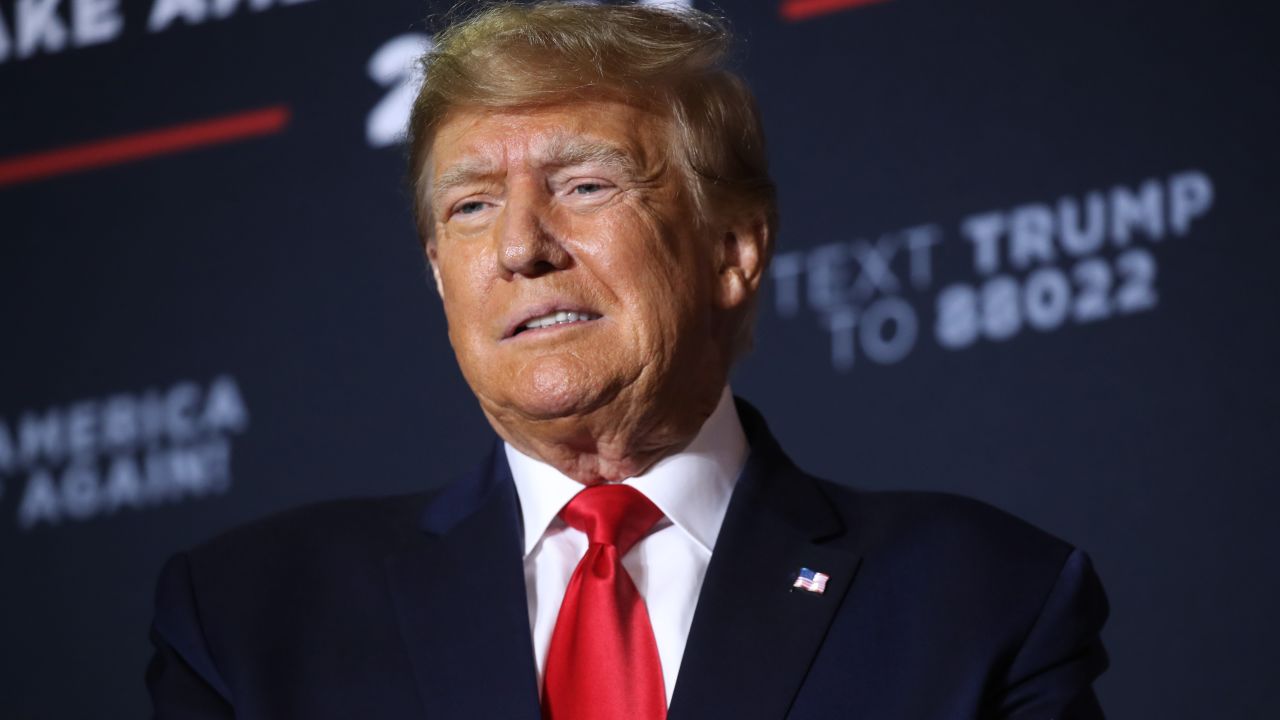
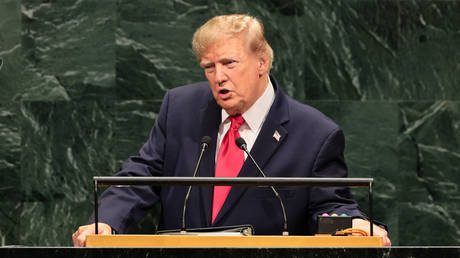
Everything in Manhattan right now points back to the Persian Gulf. Donald Trump took to the UN podium on Tuesday to deliver a characteristically blunt address, posing a stark choice to Tehran. He asked whether the world should expect a negotiated settlement or total annihilation.
"Do I drive them into hell with no chance of survival?" Trump told the assembly, defending the US-Israeli military campaign. As he began detailing strikes against Iranian assets, Iranian delegates walked out of the hall in protest, leaving empty seats in their wake.
The backdrop to this rhetoric is economic pain. High global fuel prices, squeezed shipping lanes in the Strait of Hormuz, and frantic back-channel diplomacy by regional states like Qatar and Oman are driving the urgency. Trump hinted that a deal might materialize right after the US midterm elections, arguing that political incentives will shift once domestic voting concludes. But waiting months is a luxury many economies cannot afford.
Regional Powers Push Back
While Washington frames the military actions as necessary to strip Tehran of nuclear ambitions, regional heavyweights are sounding the alarm. Leaders from the Gulf Cooperation Council and Turkey are warning that the fallout cannot be contained.
Qatar's Emir Sheikh Tamim and other Arab leaders have used their time in New York to push for a broader security framework. They know that a prolonged regional conflict hits their doorstep first. Calls for ceasefires in Gaza and Lebanon echo through the side rooms, even as Israeli Prime Minister Benjamin Netanyahu prepares for his own address later in the week under the weight of International Criminal Court scrutiny.
The friction highlights a glaring truth about modern diplomacy. The formal speeches are for domestic consumption. The real bargaining happens behind closed doors in Manhattan hotels and diplomatic holding rooms.
A Fractured Multilateral Order
Secretary-General António Guterres opened the assembly by painting a grim picture of a paralysed Security Council. The state of the world is getting worse, and the UN is struggling to keep pace. Financial strains are hitting operations hard, and major players are choosing to bypass the institution entirely. Chinese President Xi Jinping opted to stay away, continuing a pattern of skipping physical attendance.
Trump's speech also took direct aim at international bodies, calling on member states to resign immediately from the International Criminal Court, which he labeled a rogue institution. He announced plans for major military base expansions in Greenland and slammed Cuba as a failing state on the brink of collapse.
What Comes Next
We are watching a system strain at the seams. Multilateralism is taking a beating. If you are tracking how these geopolitical shocks affect global markets, energy prices, and security alliances, keep your eyes on the bilateral meetings happening away from the cameras. The grand speeches make the headlines, but the private deals between Gulf mediators, Washington, and European capitals will shape what happens next winter.
The UN General Assembly in 2026 isn't stopping wars. It is mapping out how long the world has to live with them.