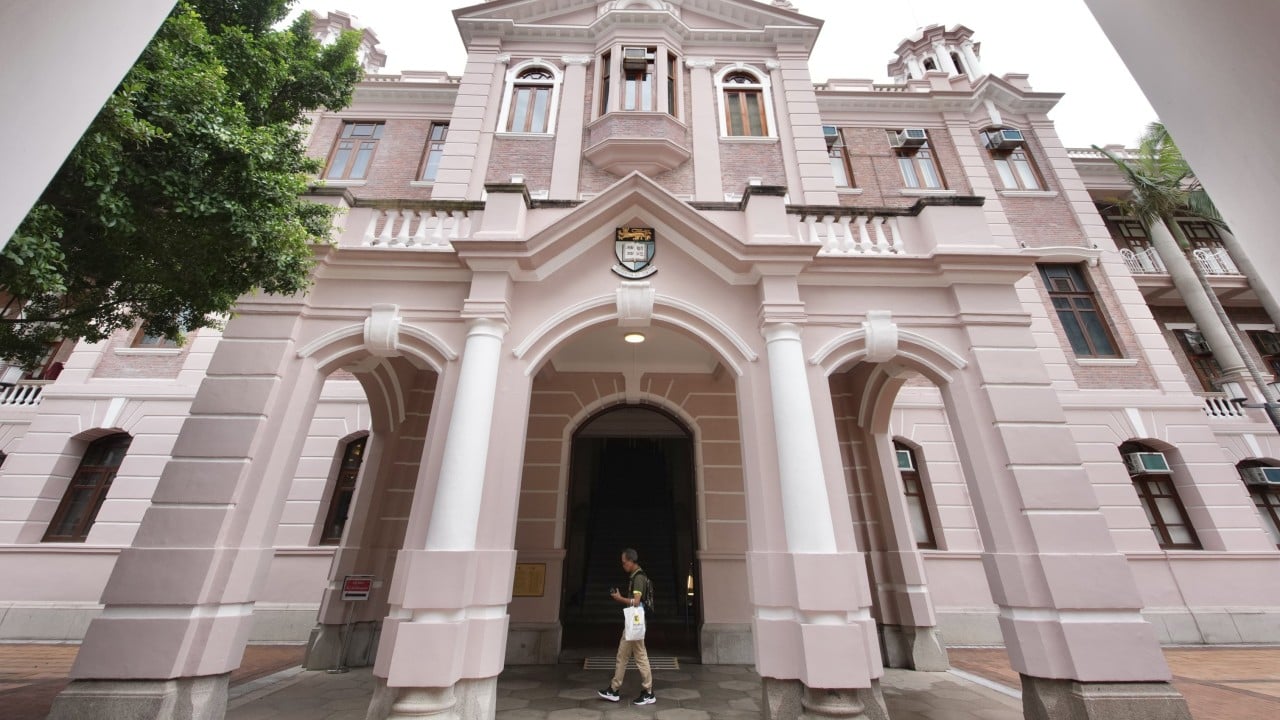
Hong Kong is popping champagne over its latest higher education metrics. The recently released 2027 QS World University Rankings look like an absolute blowout victory for the city. The University of Hong Kong held its ground at 11th globally. The Chinese University of Hong Kong vaulted into the top 20 for the first time ever, landing at 18th place. Even smaller players like the Education University of Hong Kong jumped over a hundred spots.
On paper, Hong Kong looks like the undisputed heavyweight champion of global higher education. If you enjoyed this post, you might want to look at: this related article.
But if you talk to the professors actually teaching the classes, or the local students trying to graduate into a brutal job market, the reality feels entirely different. The city's aggressive obsession with these league tables is quietly breaking the foundational purpose of its universities. We are trading long-term educational health for short-term branding wins.
When Metrics Dictate the Classroom
League tables do not measure how well a professor teaches. They do not care if an undergraduate student leaves campus with a sharp, analytical mind or just a piece of paper. Instead, systems like QS put massive weight on things like citations per faculty and international faculty ratios. For another perspective on this story, see the recent update from Associated Press.
What happens when you run a university based on those specific checkboxes? You get an administration that bases every single hiring, promotion, and funding decision on algorithmic output.
I have seen how this plays out in the real world. Research budgets migrate entirely toward hyper-niche scientific fields that generate high citation volumes in Western journals. Meanwhile, critical local research—projects addressing Hong Kong’s specific housing crises, regional economic shifts, or local mental health trends—gets pushed to the back burner. Why? Because global journals do not care about a policy study specific to Kowloon. If a paper does not get international citations, the university ranking drop fills the administration with panic.
This culture turns classrooms into afterthoughts. Professors quickly realize that spending extra hours mentoring a struggling student or redesigning a curriculum offers zero career reward. The path to tenure relies entirely on publication volume. Teaching becomes a chore to minimize rather than a calling to master.
The Myth of the Global Faculty Hub
Hong Kong loves to brag about its international faculty ratio. It is a metric where local universities consistently score near-perfect marks. But let us look at what this looks like on the ground.
To juice these numbers, universities actively pass over brilliant local academics in favor of overseas candidates who possess high citation histories. This creates a glaring disconnect. Many of these international hires arrive with zero understanding of Hong Kong’s unique socioeconomic environment, cultural nuances, or language dynamics.
They stay for a few years to build their personal research portfolios using Hong Kong's generous grant money, then move on to their next global destination.
This dynamic turns local institutions into career stepping stones rather than community anchors. It hurts the students. An undergraduate trying to navigate the complexities of Hong Kong's distinct corporate, legal, or civic environment needs mentors who actually understand that environment. When the faculty treats the city like a temporary terminal, that vital mentorship disappears.
The Steep Cost of Chasing the Ivy League
This ranking chase is not cheap. It requires billions of dollars in public funding to lure high-profile researchers and construct shiny new labs dedicated to trendy global research topics.
The Hong Kong government heavily funds these initiatives through the University Grants Committee. Yet, while public money pours into securing global bragging rights, everyday student life faces structural neglect. Housing shortages on campus remain a chronic headache for local students. Mental health support services are constantly overwhelmed.
We are essentially starving student welfare to pay for PR campaigns.
The system creates an intense pressure cooker environment. Students study to pass standardized evaluations that keep institutional metrics high. They are caught in a secondary loop of the same numbers game. The joy of learning or the freedom to fail and pivot gets crushed by the requirement to look perfect on a spreadsheet.
Shifting the Focus Back to Actual Value
Fixing this requires a complete cultural pivot from university leadership and government officials. We need to stop treating global rankings like a strategic government achievement. They are commercial lists created by external companies using flawed, generalized algorithms. They should never serve as the blueprint for public policy.
True educational success looks entirely different.
- Prioritize local impact metrics Give funding priority to research that directly improves Hong Kong society, even if it never lands in a mainstream European or American journal.
- Rebalance tenure requirements Elevate teaching excellence and student mentorship to the same institutional status as research publication volume.
- Measure graduate outcomes over corporate reputation Track how well students adapt, innovate, and contribute to the local economy five years post-graduation, rather than relying on subjective employer surveys.
If Hong Kong wants to remain a legitimate educational hub, it needs to stop playing a rigged corporate game. Real prestige comes from nurturing minds that can solve real-world problems. It is time our universities remembered that.
Immediate Steps for University Reform
- Adjust internal promotion scorecards to ensure that undergraduate teaching evaluations carry equal weight to research output.
- Establish dedicated funding pools for localized, community-specific research that explicitly bypasses the requirement for international citation metrics.
- Replace commercial ranking targets with independent, localized institutional audits focused purely on student well-being and local economic integration.