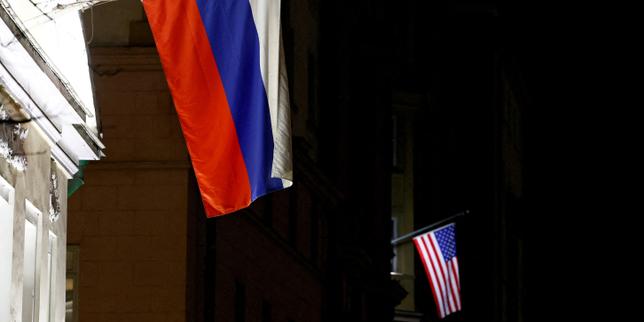
Intelligence warnings don't usually come with a specific venue and a flashing red date attached. When the United States embassy in Moscow published an urgent security alert pointing directly at the Tsaritsyno Museum Reserve, it broke the standard mold of vague diplomatic advisories.
If you're watching international security or trying to understand the fragility of civilian safety inside the Russian capital, this moment demands a closer look. Let's break down what actually happened, why intelligence sharing across geopolitical lines remains active despite deep hostility, and what this means for anyone currently on the ground.
The Anatomy of a Specific Threat Warning
On October 31, 2026, the diplomatic mission issued a stark directive to American citizens. Stay away from the sprawling 18th-century palace and park complex located on Dolskaya Ulitsa. The alert warned of a credible threat targeting a mass casualty event at the location.
Publicly naming a specific site is rare. Usually, foreign ministries stick to broad advisories urging citizens to avoid large crowds or national gatherings. Pinpointing a major historic landmark like Tsaritsyno signals that incoming intelligence likely carried high-fidelity verification. Moscow security services confirmed they received the data and acted accordingly, showing a functional channel of counterterrorism communication that persists independently of ongoing state conflicts.
Behind the Scenes of Intelligence Coordination
You might wonder how threat data travels from Western intelligence agencies to security apparatuses in a hostile host nation. Behind closed doors, channels established for counter-terrorism cooperation do not completely vanish during geopolitical crises.
When an agency intercepts chatter pointing to a civilian target, the obligation to prevent mass casualties often overrides political friction. We saw a similar precedent earlier when Washington passed details regarding potential plots ahead of major public incidents. Russia's Federal Security Service acknowledged processing the alert, deploying measures to secure the perimeter and investigate the validity of the reported plans.
What This Means for Travel and Safety Protocols
For years, the official guidance for anyone thinking about traveling to Russia has sat at a strict Level 4: Do Not Travel. Events like this demonstrate why that baseline exists.
Local security can shift instantly. Public spaces that feel peaceful or historic—like palace museums, transit hubs, or open-air parks—can transform into focal points for security operations. If you are living or working in the region, ignoring routine situational awareness is a luxury you cannot afford. Keeping communication lines open, monitoring local updates, and avoiding high-density zones remain the standard playbook for surviving high-risk environments.
Check your personal security plan today. Keep your devices charged, carry proper identification at all times, and heed official embassy alerts the moment they drop.