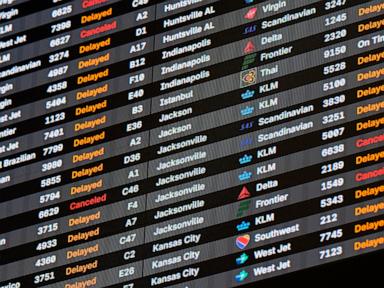
A routine morning at Sydney Airport turned into an exercise in patience when a massive telecommunications breakdown half a world away brought US-bound air traffic to a sudden halt. If you were sitting on a tarmac waiting to cross the Pacific, you quickly learned how fragile global aviation truly is.
The Federal Aviation Administration slapped a rare nationwide ground stop on all US airspace following a critical communications failure. For travelers heading out of Australia, that meant hours of uncertainty, grounded widebody jets, and scrambled schedules at major hubs like Sydney, Melbourne, and Brisbane.
What Actually Triggered the Chaos
When the FAA issues a complete ground stop due to extraordinary safety circumstances, the ripple effects travel fast. This wasn't a localized radar glitch or a minor scheduling dispute. US transport officials later pointed the finger at overloaded legacy hardware, specifically routers and switches struggling to handle modern data flows using decades-old infrastructure.
When critical radio frequencies and air traffic control data feeds began dropping packets in Chicago, the system buckled. To prevent mid-air disasters, the plug was pulled nationwide. For a brief window, thousands of flights worldwide were frozen.
Even though Australia sits some 12,000 kilometers away from the epicenter of the outage, the tyranny of distance didn't protect local flyers. Transpacific routes require precise slots, heavy fuel planning, and synchronized arrival windows at congested American gateways like Los Angeles and San Francisco. When those gateways slammed their doors shut, planes already boarding in Sydney were told to stay put.
The Tarmac Wait and How Airlines Handled It
Passengers bound for Dallas, Los Angeles, and other North American ports found themselves stuck on aircraft doors-closed for hours. Crew members walked the aisles offering water and sparse updates as dispatchers waited for Washington to lift the ban.
Some flights managed to push back just as restrictions eased. A Qantas service bound for Texas, originally slated for a morning departure, finally cleared the tarmac early afternoon once the FAA gave the all-clear. Brisbane Airport reported similar delays across its North American departures, though airlines managed to avoid outright cancellations during the initial wave.
Still, lifting a ground stop doesn't mean normal operations resume instantly. Aviation is a tightly choreographed dance. When you freeze the entire network for hours, planes, crews, and gates end up entirely out of position. Airlines spent the remainder of the weekend clawing back lost time, shuffling flight rosters, and accommodating frustrated passengers.
Why This Keeps Happening
This incident marks only the second time a nationwide US ground stop of this scale has occurred since the aftermath of 9/11. That statistic sounds reassuring until you realize how close the system is to the edge. US transportation officials have openly admitted that the network relies on legacy copper lines and technology dating back to the 1980s.
Billions of dollars have been requested to modernize air traffic architecture, yet upgrades move slower than the jets flying overhead. When new data systems interface with ancient hardware, bottlenecks happen. Equipment overloads, routers crash, and millions of travelers discover that global transit relies on infrastructure holding together by duct tape and institutional memory.
How to Protect Your Next Long Haul Trip
Systemic technology failures expose the gaps in modern travel planning. You can't control what happens to a telecommunications grid in North America, but you can change how you manage the fallout.
Always build buffer days into tight international itineraries. If you are flying to the US for a cruise, a wedding, or a crucial business meeting, landing the literal day before is a gamble you shouldn't take. Keep airline tracking apps active on your phone, ignore gate agent guesswork until official notices drop, and always know your carrier's policy on rebooking when international disruptions hit.
Check your flight status directly with the airline before heading out to the terminal. A few minutes spent verifying operational clearance can save you hours staring at a departure board that refuses to move.