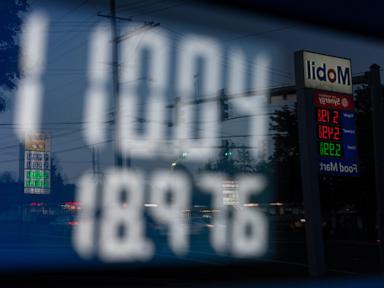
When geopolitical tensions flare up in the Middle East, the immediate casualties are usually civilian lives and regional stability, but the financial victors are already counting their cash. The ongoing US-Iran conflict has triggered massive supply chain disruptions, pushed global crude benchmarks higher, and positioned fossil fuel corporations to capture extraordinary windfalls. If you look past the political rhetoric, energy markets respond to one primary rule: panic drives prices, and higher prices mean fat profit margins.
You're already seeing the effects at the local gas station, where pump prices have climbed sharply since the outbreak of hostilities. But the real story happens behind closed boardroom doors in Houston, London, and beyond, where major energy producers evaluate soaring revenues against short-term operational chaos.
The Strait of Hormuz Chokepoint
Geographical realities dictate global energy economics. Roughly twenty percent of the world's petroleum and liquefied natural gas flows directly through the Strait of Hormuz. When military actions threaten this narrow maritime corridor, international shipping lanes freeze up or face severe slowdowns. Iran's capacity to disrupt traffic through this single chokepoint instantly removes millions of barrels of daily supply from the open market.
Markets hate uncertainty, and war delivers it in waves. As soon as crude tankers alter routes or pause operations out of fear of regional strikes, global reserves tighten. Traders panic-buy futures, pushing Brent crude and West Texas Intermediate well past comfortable thresholds. Corporations extracting domestic shale in Texas or offshore fields see their production values skyrocket overnight, even if their extraction costs remain relatively flat.
Breaking Down the Corporate Windfall
Big Oil doesn't operate in a vacuum, and the financial reality of these conflicts is nuanced. Early on in the crisis, some major operators experienced temporary paper losses or flat earnings due to complex financial hedging strategies that backfired when prices spiked unpredictably. Yet those setbacks are short-lived anomalies.
Independent analysts point out that corporate balance sheets quickly adapt. Companies like ConocoPhillips and BP have posted billions in robust quarterly income as higher per-barrel prices offset initial operational hiccups. Producers with heavy domestic acreage in the Permian Basin enjoy a dual advantage: they sell into a high-priced global market while insulated from direct physical damage in the Middle East.
Who Pays for the Surge?
While producers celebrate higher realizations, everyday consumers and secondary industries absorb the blow.
- Motorists face inflated fuel bills that strain household budgets during peak travel seasons.
- Agricultural sectors grapple with soaring diesel and fertilizer expenses, as ammonia production relies heavily on natural gas feedstocks from the Persian Gulf.
- Airlines watch jet fuel spot prices fluctuate wildly, passing those burdens directly onto passenger tickets or absorbing narrow margins.
Navigating the Market Reality
You can't control geopolitical conflicts, but you can understand how they manipulate your wallet. Energy stocks traditionally behave as defensive hedges during wartime portfolios, attracting institutional capital precisely because higher commodity prices guarantee cash flow.
Watch inventory reports from the Department of Energy and monitor statements regarding the Strategic Petroleum Reserve. When politicians debate releasing emergency reserves, prices dip temporarily, but structural supply deficits keep the floor high. Corporations will keep reaping these margins until shipping lanes through the Persian Gulf stabilize permanently.
Stop expecting relief at the pump anytime soon. The structural realities of conflict-driven energy markets guarantee that corporate balance sheets win while everyone else pays the premium.
Oil price rises after US strikes on Iranian boats, ASX falls
This video provides a direct look at how sudden military escalations in the Persian Gulf instantly trigger jumps in global oil prices and shake equity markets.
http://googleusercontent.com/youtube_content/1