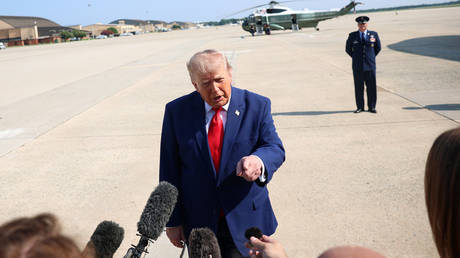
Diplomacy in the Middle East rarely follows a straight line. If you thought signing a basic memorandum of understanding between Washington and Tehran would immediately fix the region, think again. US-Iran peace talks are currently hanging by a thread, and the entire diplomatic architecture is colliding with a stubborn reality on the ground: the war in Lebanon.
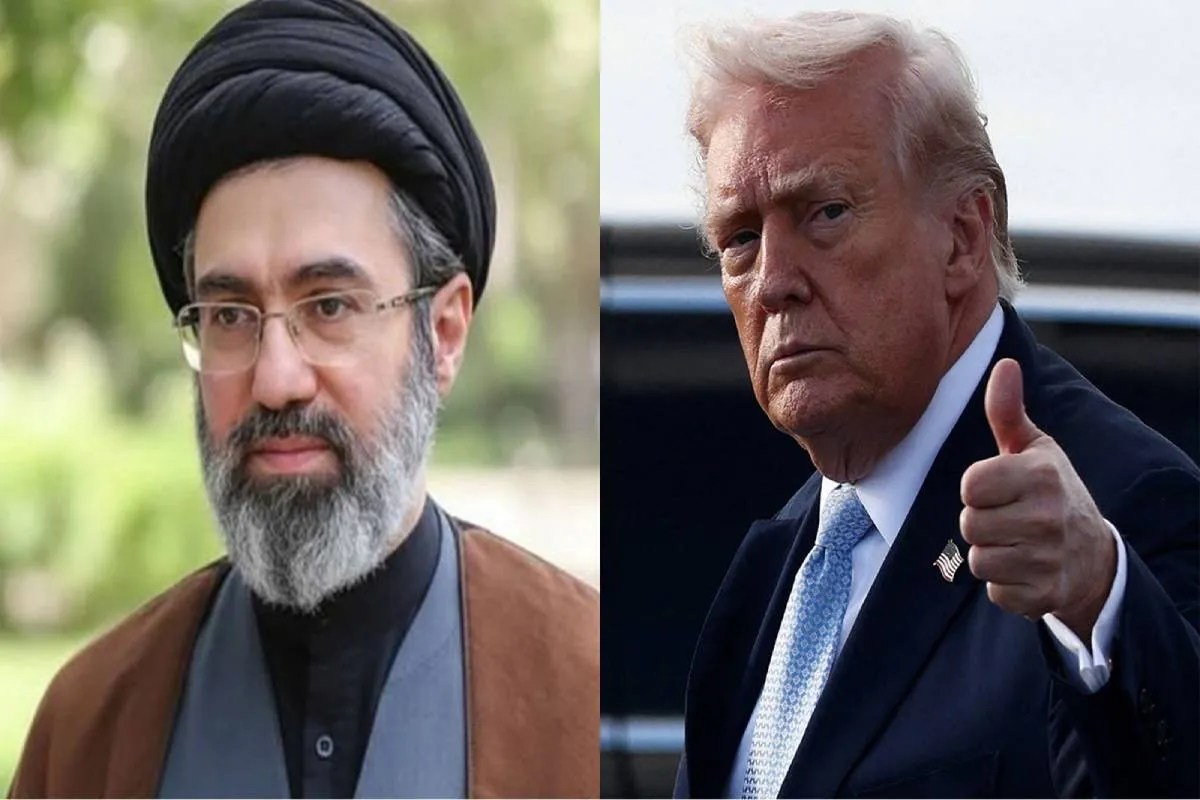
Tehran has made its red lines crystal clear. Iranian leadership, backed by statements from Mojtaba Khamenei, insists that any long-term normalization or technical negotiation with the United States is entirely conditional on halting Israeli military operations in Lebanon and securing an enduring ceasefire. When fighting flared up along the Lebanese border, scheduled diplomatic sessions in Switzerland were abruptly called off. Washington wanted to focus strictly on reopening the Strait of Hormuz and tackling Iran's nuclear program. Tehran, however, refused to separate the nuclear file from its regional alliances, particularly its steadfast support for Hezbollah.
The Lebanon Sticking Point
Why is Lebanon driving a wedge into US-Iran diplomacy? From Iran's perspective, separating bilateral talks from regional allies is a non-starter. Mojtaba Khamenei publicly praised Hezbollah's steadfastness against Israeli forces, framing regional resistance as a non-negotiable core principle.
When the US and Iran signed their interim framework, it included a fragile 60-day window to hammer out final terms. Yet, continuous military exchanges in southern Lebanon threatened to scuttle the deal before technical teams could even sit down.
- The Stalled Swiss Talks: High-level meetings scheduled in Switzerland were postponed because Iranian negotiators pulled back in protest of ongoing strikes.
- The Regional Link: Tehran's diplomatic strategy dictates that a truce cannot exist selectively. If Iranian ports reopen and naval blockades lift, the security cost must be matched by a cessation of hostilities in Lebanon.
- The Domestic Guardrails: Iranian hardliners and civilian authorities alike are watching closely. Any perceived abandonment of regional proxies creates massive domestic political vulnerability in Tehran.
What Washington Gets Wrong
American policymakers often look at Middle Eastern conflicts through isolated silos. Washington wants to fix maritime security in the Strait of Hormuz, curb uranium enrichment, and declare a swift diplomatic victory.
Reality doesn't work that way. Local conflicts bleed into major international treaties. When the White House downplays the entanglement with Hezbollah, negotiations stall out immediately. Vice President JD Vance had to pull back on planned travel because the foundational logistics of the agreement fractured under the weight of border skirmishes.
You cannot decouple a global superpower's strategic objectives from the local battlefield dynamics maintained by its adversaries. Tehran holds leverage through its regional network, and it's using every bit of it to ensure its allies aren't left out in the cold while a bilateral deal is rushed through.
Where the Process Goes From Here
The diplomatic clock is ticking down its 60-day window. Both sides have tested the waters—the US temporarily eased naval blockades, and Iran permitted initial compliance steps—but mutual suspicion runs deep.
If international mediators want this framework to survive, they have to address the Lebanon file head-on rather than sweeping it under the rug. Without a genuine, enforceable truce that stops the fighting from Beirut to the southern border, high-level handshakes in Europe will keep collapsing at the last minute. Keep your eyes on the border zones, because that's where the real fate of US-Iran diplomacy is being decided.