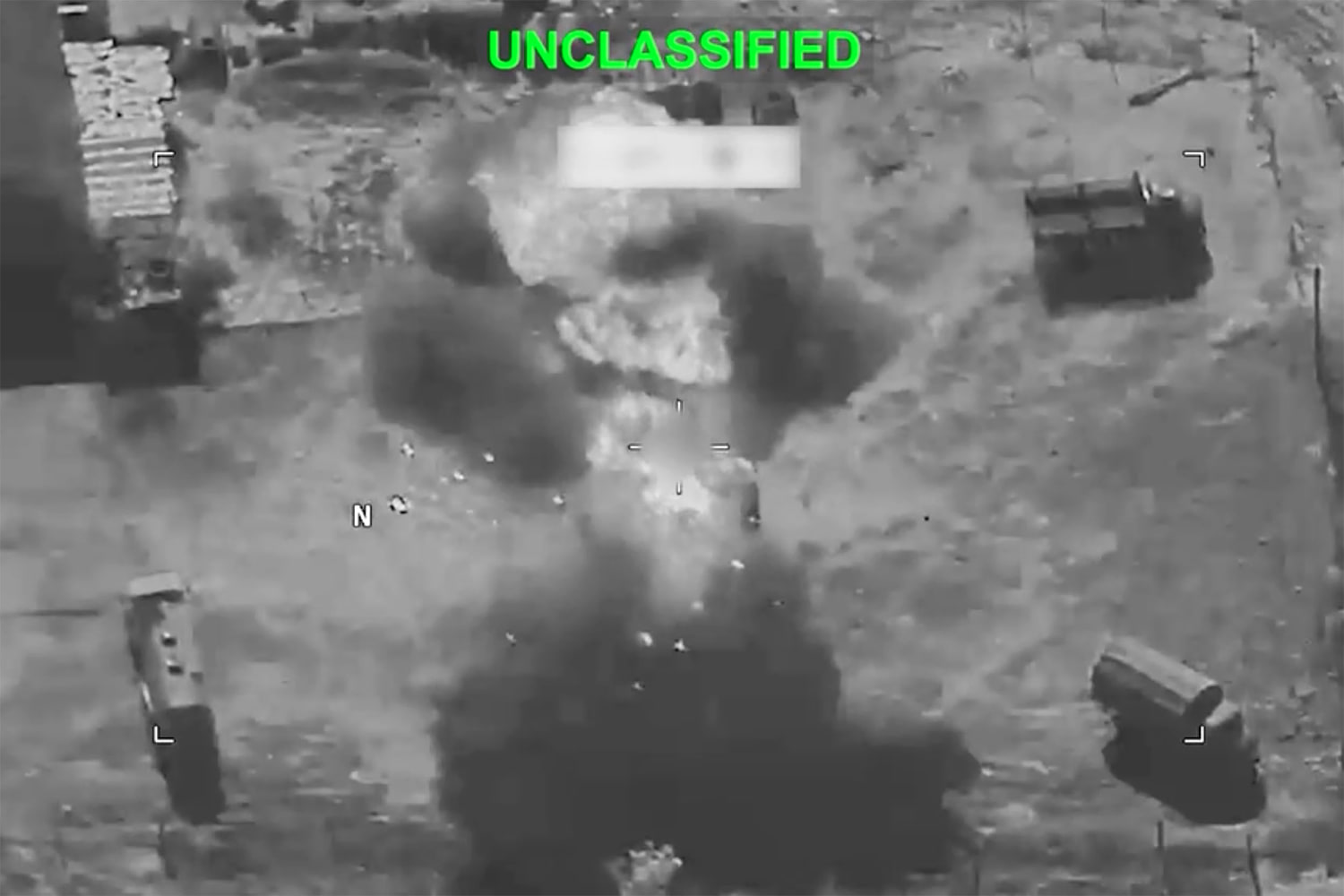
The cycle never really stops. When a heavy wave of military strikes hits the Middle East, the immediate reaction is always shock. Then comes the retaliation vows.
If you are trying to understand why tensions between Washington and Tehran refuse to cool down, you have to look past the breaking news alerts. You need to look at decades of proxy conflicts, economic blockades, and shifting alliances.
What Actually Triggered the Latest Escalation
Let us be honest. Escalations do not happen in a vacuum. When regional flashpoints flare up, they usually connect to a long-running shadow war.
Regional analysts have watched military posturing intensify across several fronts. Major military actions by the United States often target Iranian-backed militias or strategic infrastructure. Tehran responds with aggressive rhetoric, promising to punish the aggressor.
It is a predictable dance. But the stakes keep getting higher.
When strikes hit oil infrastructure, drone supply lines, or regional outposts, global markets panic. Energy prices spike. Shipping lanes face immediate threats.
The Regional Ripple Effect
You cannot talk about US-Iran friction without looking at the countries caught in the middle. Nations like Saudi Arabia, Egypt, and smaller Gulf states find themselves walking a geopolitical tightrope.
They rely on Western security guarantees. Yet, they share a massive body of water with Iran. They know that a full-scale regional war would devastate their own economies and tourism sectors.
Diplomatic channels usually work behind the scenes to prevent total disaster. Ministers pick up phones. Envoys fly to neutral capitals.
Why Traditional Diplomacy Fails
Here is the truth most commentators miss. Traditional diplomatic frameworks struggle because trust is completely broken.
When one side believes the other is acting in bad faith, every concession looks like a trap. Tehran sees American military presence in the region as an existential threat. Washington sees Iran's nuclear ambitions and proxy network as a direct danger to global stability.
Sanctions hit hard, but they rarely force a regime change or a complete policy pivot. Instead, they often hurt ordinary civilians while hardening the resolve of hardline leaders.
Keeping Track of What Matters
If you want to stay informed without getting overwhelmed by sensational headlines, focus on a few key indicators:
- Shipping traffic: Monitor disruptions in vital straits and oil transit routes.
- Proxy actions: Watch for shifts in activity from aligned militias in Iraq, Syria, and Yemen.
- Backchannel talks: Pay attention to mediation efforts by nations like Oman, Qatar, or Iraq.
The situation remains volatile. Keep a close eye on primary source reporting rather than social media speculation. Look past the immediate threats of retaliation and focus on actual policy shifts on the ground.