When Washington decides to send a message, it doesn't whisper. The U.S. military recently disabled or destroyed three separate Iranian oil tankers following a high-stakes maritime confrontation in the Middle East. If you've been tracking the volatile shipping routes around the Strait of Hormuz, you know this wasn't happening in a vacuum. It's part of an escalating tit-for-tat war that keeps pushing global energy markets right to the edge.
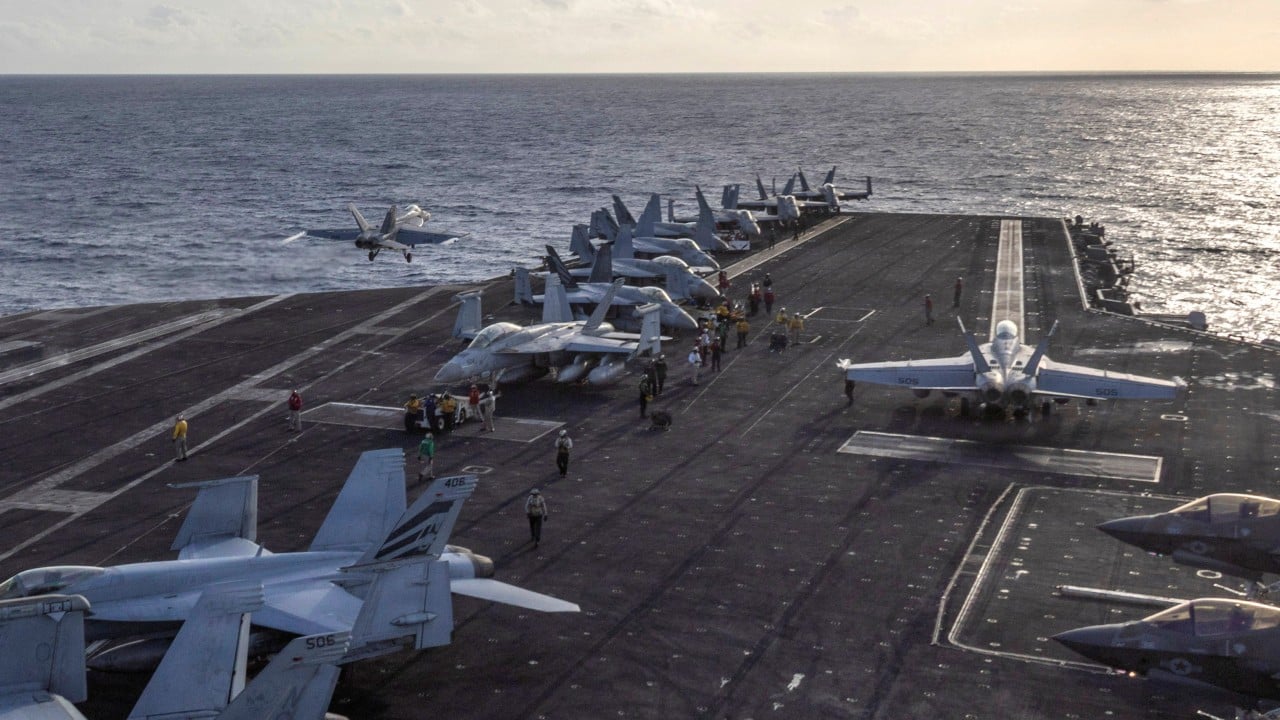
Let’s look at what actually went down. U.S. Central Command confirmed that American Navy warships—including an aircraft carrier and a destroyer—evaded multiple unprovoked missile attacks. Instead of absorbing the blow, the U.S. military retaliated hard. Two crude oil carriers linked to the Islamic Revolutionary Guard Corps were permanently disabled, while a third unladen vessel was completely wiped out in the Gulf of Oman. Admiral Brad Cooper didn't mince words, warning that Washington will flat-out destroy Iran's limited and exposed oil fleet if these attacks continue. Also making waves in related news: Why High Profile Tragedies Trigger Unthinkable Crimes And What We Ignore.
The Strategic Realities Behind the Tanker Strikes
Why target tankers instead of traditional military infrastructure? It's simple economic warfare. Iran relies heavily on crude exports moving through vital chokepoints like Kharg Island and Jask. By crippling these vessels, the U.S. aims to choke off the financial lifeblood funding Tehran's regional proxies.
You've got to understand the sheer scale of the disruption here. Before naval blockades and active conflict locked down the region, Iran exported roughly 90 percent of its oil via Kharg Island. Striking tankers right off its coast isn't just about self-defense; it's a deliberate economic squeeze. Additional details on this are detailed by Al Jazeera.
- Kharg Island: A primary target where tankers like the M/T Downy were permanently disabled.
- The Gulf of Oman: Where unladen vessels like the M/T Kylo were targeted and crews forced to abandon ship.
- Strait of Hormuz: The main maritime theater where commercial traffic has plunged due to ongoing threats.
The Cost of Escalation
Iran's state broadcaster quickly condemned the moves as a war crime, claiming Tehran struck back by targeting multiple vessels in response. But make no mistake, Iran's options are shrinking. Their oil fleet is exposed, fragile, and heavily reliant on predictable maritime routes. When policymakers talk about proportional responses, losing three oil tankers for shooting at American warships represents a massive escalation in economic punishment.
At the same time, behind-the-scenes reports point to immense strain on Western resources. Recent leaks highlighted concerns over dwindling interceptor supplies for advanced defense systems, adding a layer of urgency to how Washington manages these flashpoints.
If you're watching global oil prices or international trade routes, pay close attention to the Persian Gulf. This conflict isn't slowing down. When deterrence shifts from defensive interceptions to aggressive fleet destruction, the rules of engagement change permanently.
US hits 3 Iranian oil tankers after saying Navy warships were targeted
This video footage captures the immediate aftermath and official statements regarding the U.S. military strikes on Iranian oil tankers following the missile attacks on American warships.