The rules of engagement in the Persian Gulf have changed. When the U.S. military strikes Iranian oil tankers in response to ballistic missile attacks on Navy warships, the shockwaves hit global energy markets instantly. Brent crude briefly brushes past $99 a barrel, and everyone starts paying attention to narrow shipping lanes they usually ignore.
If you are trying to understand why Washington and Tehran keep spiraling back toward open hostilities more than six months after the broader conflict began, you have to look at the dual strategy driving the White House. It is a mix of kinetic military force and crushing economic strangulation. Also making headlines in this space: What The Deadly Church Attack In Jordan Means For Regional Security.
Why the U.S. Is Sinking the Shadow Fleet
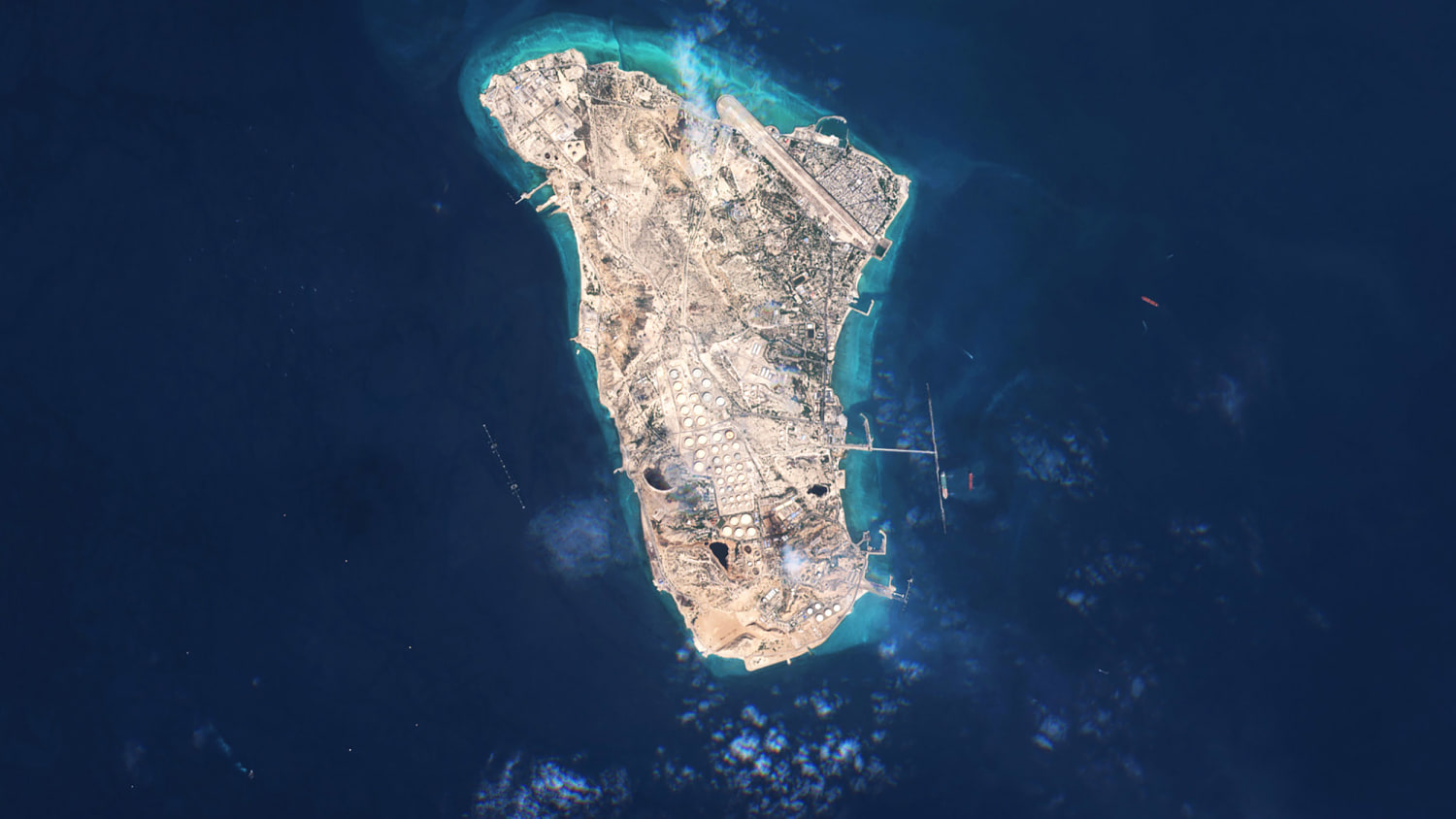
The U.S. Central Command does not target commercial vessels on a whim. According to Pentagon briefings and statements from Secretary of State Marco Rubio, the tankers destroyed near Kharg Island and the Gulf of Oman are part of a massive shadow network. This fleet funnels billions of dollars directly to the Islamic Revolutionary Guard Corps and regional proxy forces.
When the IRGC tries to hit American assets—such as when ballistic missiles targeted a U.S. aircraft carrier and guided-missile destroyers—the retaliation is immediate and explicit. Defense officials maintain a simple doctrine: if Iran shoots at U.S. ships, their oil tankers become legitimate targets. Before launching strikes on vessels like the Kivik, Charminar, or Derya, American forces typically direct crews to abandon ship. It minimizes casualties while permanently disabling the infrastructure Iran relies on for its export revenue. Additional insights into this topic are explored by NPR.
The Real Cost at the Pump
Why does this matter to you? Because the Strait of Hormuz handles roughly one-fifth of the world's petroleum supply. Blockades, drone interceptions, and the destruction of export terminals near Kharg Island instantly trigger supply fears.
When energy prices spike toward $100 a barrel, political pressure mounts back home. Administrations facing upcoming midterm elections hate high fuel prices. Yet, the current military approach treats energy infrastructure as fair game. As experts from security institutes note, there is no easy kinetic solution to securing the strait. Every escalation brings Washington and Tehran closer to a wider regional conflagration that becomes harder to contain.
Where the Conflict Spills Next
The confrontation is no longer confined to naval skirmishes. Iran-backed groups in Yemen continue launching aggressive drone and missile offensives toward cities and oil installations in southern Saudi Arabia, injuring dozens and sparking major refinery fires. Meanwhile, Iranian state media reports counter-strikes targeting regional bases, while Jordan's air defense systems intercept inbound ballistic missiles.
At the same time, the Treasury Department keeps tightening the screws. Recent sanctions hit dozens of entities tied to Iran's aviation sector, cutting off secondary logistical support networks. Diplomacy moves in fits and starts, with foreign ministries discussing waterway management while military commanders trade blows in the Gulf.
The standoff shows no signs of a clean resolution. Watch the shipping insurance rates, track the daily price of Brent crude, and keep an eye on developments around the Strait of Hormuz. That is where the actual pulse of this conflict beats.