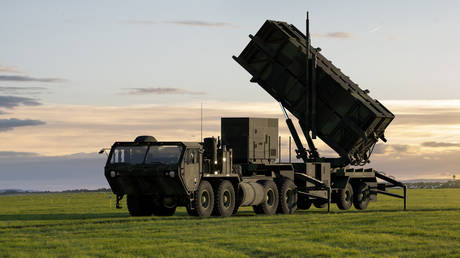
If you think buying advanced military hardware from Washington is as simple as signing a check, look closer. American defense manufacturing is hitting a wall. Major US allies are now staring down delivery delays stretching up to five years for critical missile systems.
This isn't a minor administrative hiccup. It represents a massive stress test for global security, exposing deep fractures in the Western military industrial base. Let's break down why these bottlenecks are happening, what they mean for international alliances, and why fixing them won't happen overnight.
The Reality Behind the Five-Year Wait
Heavy munitions expenditure during recent military campaigns in the Middle East has completely drained the Pentagon's primary stockpiles. When Washington burns through interceptors faster than assembly lines can churn them out, foreign orders get pushed to the back of the queue.
Germany recently learned this the hard way. Berlin pushed Washington to fast-track orders for Tomahawk cruise missiles and ground-based Typhon launchers. The response from defense contractors like Raytheon was sobering. Because of severe component shortages and factory backlogs, fulfilling those orders could take five full years.
Eastern European nations face similar roadblocks. Many signed contracts months ago, expecting steady shipments to bolster their defensive perimeters. Instead, they find themselves caught in a priority squeeze where domestic US replenishment takes precedence over export orders.
Congressional Warnings and Inventory Drains
You don't have to look hard to find official numbers backing up these shortages. A recent Congressional Budget Office assessment laid bare the brutal arithmetic of modern conflict. The report revealed that the US consumed between half and two-thirds of its inventory for specific missile-defense interceptors since mid-2025.
Rebuilding those empty shelves requires time, specialized raw materials, and skilled labor that simply cannot be scaled up instantly. Even under aggressive production schedules, experts estimate a multi-year recovery window.
The Pentagon inspector general recently echoed these concerns, noting that intense combat operations created strategic inventory shortfalls. Industrial base bottlenecks are choking the supply chain. When microchips, rocket motors, and specialized guidance systems face production limits, the entire manufacturing chain grinds down to a crawl.
The Ripple Effect on Ukraine and European Defense
These delivery timelines throw a wrench into broader European security strategies, particularly regarding Ukraine. Kyiv relies heavily on sophisticated Western air defense systems to protect infrastructure from incoming strikes.
When American stockpiles run thin, European allies struggle to source replacement ammunition or pass along supplies through programs like the PURL initiative. Reports indicate that inventories of advanced interceptors like PAC-3 batteries have faced severe depletion periods.
European leaders are waking up to an uncomfortable truth. Relying entirely on the US defense umbrella leaves countries vulnerable when Washington's own arsenals are stretched thin across multiple theaters.
What Comes Next for Global Defense Procurement
If you are tracking international defense markets, expect a major shift in how countries approach procurement. Nations are realizing they cannot simply wait five years for American shipments to clear.
Expect a massive push toward domestic European manufacturing, defense industry consolidation, and alternative suppliers. Governments will increasingly invest in their own missile programs rather than standing in line for US hardware.
Check your current procurement timelines if you operate within defense sectors. Diversify supply chains immediately, build redundant local manufacturing partnerships, and stop treating American resupply as an infinite resource.