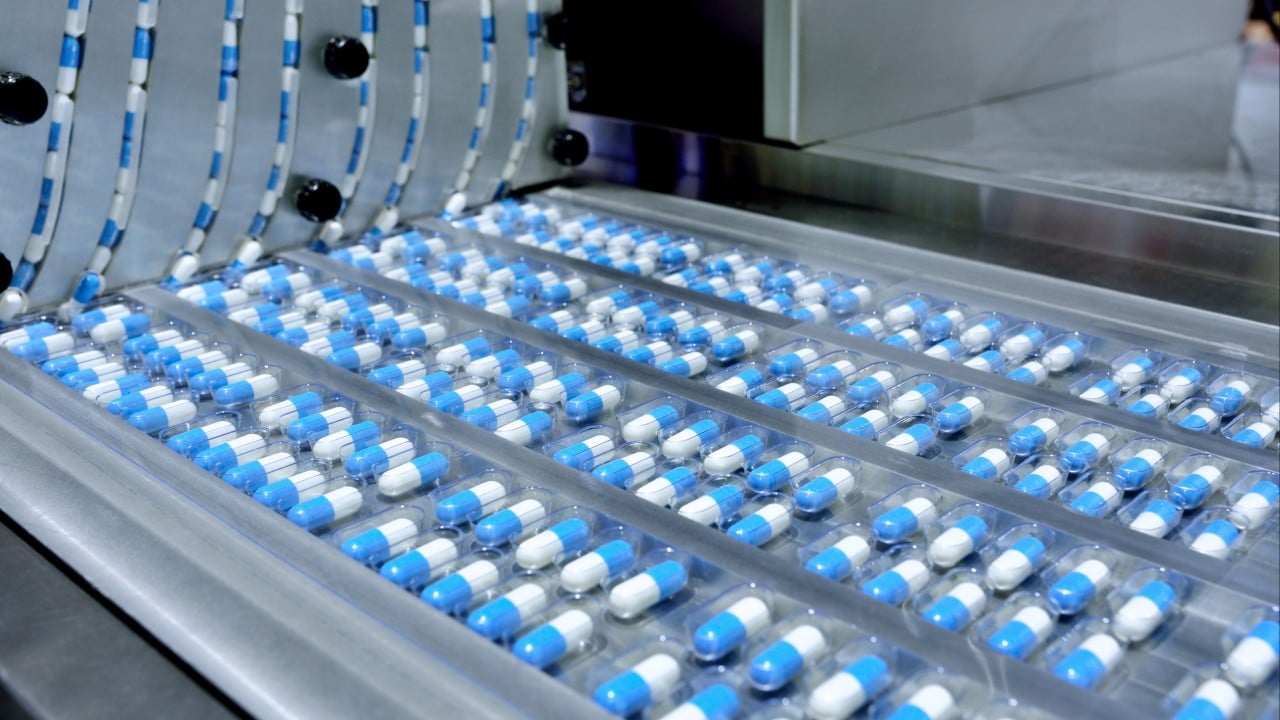
Walk into any American pharmacy and pick up a bottle of generic blood pressure medication, antibiotics, or even basic ibuprofen. The label might list a distributor based in Ohio or New Jersey, but there's a near-certain chance the active ingredients were synthesized in a chemical plant thousands of miles away. Specifically, in China. For decades, this setup worked. It kept prices low and manufacturing off American soil. Now, that convenient arrangement has turned into a massive national security headache. Bipartisan panic in Washington is reaching a boiling point as lawmakers realize just how deep the US reliance on China in drug industry pipelines actually goes.
This isn't just about where physical pills are stamped. It is about who owns the companies making them, who controls the intellectual property, and where sensitive clinical trial data ends up. On July 15, 2026, the Senate Special Committee on Aging held a high-stakes hearing titled "Behind the Label: Foreign Ownership and Control in America's Drug Supply Chain". The testimony was blunt. The legislative solutions being thrown at the wall are aggressive. From 100% tariffs to sweeping new investment screening bills, Washington is finally trying to tear down and rebuild the nation's pharmaceutical foundation.
But doing so without causing immediate, catastrophic drug shortages is a logistical tightrope walk.
The Senate Sounds the Alarm on Invisible Ownership
Most people look at the drug dependency issue through a simple lens: import volumes. We know we import a massive portion of our Active Pharmaceutical Ingredients (APIs). But Senate Aging Committee Chairman Rick Scott and Ranking Member Kirsten Gillibrand are pointing to a much creepier vulnerability. It is the invisible foreign ownership of the companies operating right under our noses.
To address this, Scott, Gillibrand, and Senator Elizabeth Warren introduced the Pharmaceutical Investment Oversight and Accountability Act.
The goal of the bill is simple. It forces the Federal Trade Commission (FTC) and the Committee on Foreign Investment in the United States (CFIUS) to track and analyze foreign control over U.S. pharmaceutical manufacturing and advanced biotechnology like DNA sequencing.
Right now, the federal government is basically flying blind. When a Chinese firm quietly buys a stake in a drug developer or an ingredient supplier, there is no centralized radar tracking how that investment affects American health security.
"America has let the Chinese Communist Party and other foreign entities quietly buy their way into our drug supply for too long," Scott warned during the hearing. He isn't wrong. If a geopolitical crisis hits and Beijing decides to choke off exports, or if a state-backed entity decides to shutter a critical facility, American patients are the ones who pay with their lives.
The Clinical Data Loophole Nobody Talks About
We often worry about contaminated ingredients or supply chain halts. Yet, the Senate hearing exposed a massive intellectual loophole that has been wide open for years.
When American biotech companies partner with Chinese firms for clinical trials, a massive amount of highly sensitive genetic and medical data flows directly across the Pacific. Under current rules, this data transfer is completely legal.
Think about what is at stake here. American patients take the risks in these clinical trials. American regulators authorize them. But the resulting data—which dictates what the next generation of life-saving therapies will look like—is handed over to entities bound by Chinese state security laws.
If a foreign adversary owns the data, they own the future of medicine. They can develop advanced therapies while American companies are left holding the bill for the early-stage research. This concern is what drove the introduction of the Biotech Investment National Security Act (BINSA) in the House by Representatives John Moolenaar and Debbie Dingell.
BINSA targets the money. It aims to amend the Comprehensive Outbound Investment National Security (COINS) Act to subject U.S. biotech licensing deals, joint ventures, and equity investments in Chinese drugmakers to strict Treasury Department reviews.
Cross-border licensing deals between U.S. and Chinese biotech firms skyrocketed to $136 billion recently, up from a measly $5 billion in 2020. Big players like Pfizer and Bristol Myers Squibb have signed massive partnerships with Chinese developers. Lawmakers see these deals as outsourcing the crown jewels of American medical innovation.
The July 31 Tariff Cliff
While Congress debates long-term bills, a massive regulatory hammer is about to drop. On July 31, 2026, a 100% tariff on patented pharmaceutical imports and associated active ingredients from foreign adversaries goes into effect.
This tariff stems from the use of Section 232 national security authority. The logic is simple: heavy reliance on imported patented medicines is a direct threat to U.S. national security.
Generics and biosimilars are temporarily exempt from this 100% tax, but the clock is ticking for those too. The government is dangling a carrot alongside the stick. Companies that commit to domestic onshoring can secure reduced 20% tariff rates.
This has thrown the entire pharmaceutical supply chain into absolute chaos. Industry groups are lobbying furiously. For decades, drug companies optimized their supply chains purely for cost. They ignored geopolitical risk. Now, they are facing a hard, expensive compliance deadline.
If you are a drug manufacturer, you can't just rebuild a sterile manufacturing facility overnight. It takes years to get FDA approval for a new facility. The sudden imposition of these tariffs is a shock to the system that will almost certainly drive up drug prices for everyday consumers in the short term.
Why De-Risking is Easier Said Than Done
It is easy for politicians to stand at a podium and demand that we sever ties with Chinese manufacturers. Executing that plan is another story.
The biotechnology and venture capital sectors are pushing back hard. Many argue that restricting these partnerships will actually harm American patients.
- The cost argument: Developing a drug in the US is ridiculously expensive. Partnering with Chinese firms for early-stage development and clinical trials drastically lowers the cost of research and development.
- The innovation argument: China’s biotech sector has advanced rapidly. They aren't just copycats anymore; they are producing genuinely novel molecules and therapy platforms. Blocking U.S. companies from licensing these assets means blocking American patients from accessing cutting-edge treatments.
- The supply chain reality: For many essential generic drugs, there are simply no domestic alternatives for raw ingredients. Even if you want to buy American, the local factory doesn't exist.
We have built a system where our healthcare system relies on cheap foreign manufacturing to stay solvent. Unraveling that web is going to be incredibly painful.
The Legislative Blueprint to Watch
If you want to know where the industry is heading, you need to watch three key pieces of legislation moving through Congress right now:
1. The MAPS Act (Mapping America’s Pharmaceutical Supply)
Introduced with bipartisan backing, this bill directs the Department of Health and Human Services (HHS) to map out the entire pharmaceutical supply chain. It requires identifying vulnerabilities, pinpointing cybersecurity threats, and forcing the Department of Defense to report on its reliance on Chinese ingredients. You can't fix a problem if you don't know where the leaks are.
2. The ABC Safe Drug Act (Anyone But China)
This aggressive bill proposes a phased ban on federal funds being used to purchase drugs manufactured in China. Starting in 2028, federal health programs (like Medicare and VA) would be banned from buying drugs unless at least 60% of their APIs are made in non-Chinese countries. By 2030, that requirement jumps to 100%.
3. The CLEAR LABELS Act
Introduced by Senators Scott and Gillibrand, this bill would mandate clear country-of-origin labeling on prescription drugs. If patients can see exactly where their medicine’s active ingredients were manufactured, market forces might finally push companies to diversify away from risky foreign sources.
Actionable Steps for the Pharmaceutical Sector
The days of ignoring geopolitical risk in drug manufacturing are officially over. If you run a pharmaceutical company, a health system, or manage medical procurement, you need to pivot immediately.
- Audit your tier-two and tier-three suppliers: Don't just look at who sells you the finished pill. You need to know where they get their raw APIs and key starting materials. If those lead back to a state-controlled Chinese facility, you are sitting on a regulatory time bomb.
- Prepare for tariff-induced price hikes: The July 31 tariff deadline is going to squeeze margins on patented drugs. Review your contracts and supply agreements now to determine who absorbs those costs.
- Build redundancy into clinical trials: If you are relying heavily on clinical trials based in China, start diversifying your trial sites to other regions like Eastern Europe, India, or South America to avoid sudden regulatory shutdowns.
- Leverage tax incentives for onshoring: Keep an eye on provisions like temporary 100% expensing for pharmaceutical manufacturing property. The government is throwing money at domestic infrastructure; use it to offset the cost of moving production back to North America.