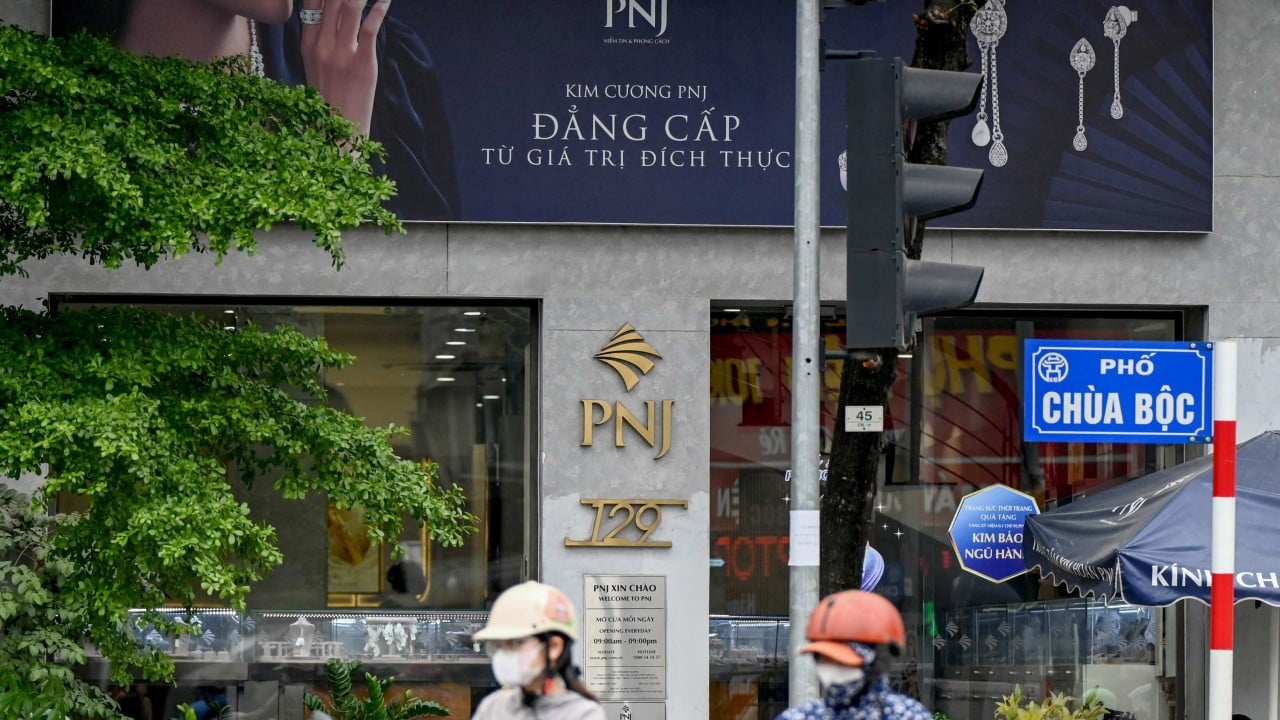
When state security officers in Vietnam started raiding gold shops and tracking cross-border couriers, they didn't just expose a black-market operation. They unraveled a sophisticated, multi-million dollar transnational syndicate that brought over 28,000 smuggled diamonds into the country.
For anyone who thinks luxury goods smuggling is just a minor customs evasion game, this crackdown serves as a rude awakening. The fallout has reached the highest tiers of Vietnam's jewelry industry, plunging local investors and everyday buyers into a deep crisis of confidence.
How the Transnational Diamond Pipeline Worked
The scale of this operation was staggering. Investigators from the Thanh Hoa Provincial Police revealed that the ring completed 141 illicit smuggling shipments starting in 2024, generating roughly US$10.7 million in revenue.
The architects behind the scheme didn't improvise. They relied on a tightly compartmentalized, closed-loop framework:
- Sourcing from India: The diamonds were originally procured in India before being consolidated in Hong Kong.
- The Courier Network: Couriers hid the tiny gemstones inside personal luggage, clothing, and footwear, bypassing customs declarations entirely at major aviation hubs like Tan Son Nhat, Noi Bai, and Da Nang.
- Encrypted Coordination: To stay off the radar of law enforcement, syndicate members communicated using encrypted apps like WhatsApp and Viber, strictly utilizing auto-delete settings.
- Alternative Financial Trails: Instead of traditional bank transfers that leave heavy paper trails, operators allegedly used specific serial numbers on US dollar bills as verification codes for transactions.
By the time police expanded their indictments to over 30 suspects—including prominent gold shop owners and internal gemstone certification figures—it became clear this was no fly-by-night operation.
The Certification Nightmare and the PNJ Fallout
Diamonds derive their worth from trust. Without an open, public market ticker like gold, buyers rely entirely on independent grading reports, laser inscriptions, and the integrity of certification laboratories.
That trust fractured when Dang Ngoc Thao, the former head of PNJ Laboratory (a wholly owned subsidiary of Phu Nhuan Jewelry JSC, Vietnam's largest listed jeweler), was implicated in the probe. Investigators accuse the former lab director of helping sanitize illicit stones. The alleged process involved stripping away original laser inscriptions—such as those from the Gemological Institute of America—re-engraving them, and issuing fresh local certification documents.
Even though corporate leadership at PNJ maintained that the allegations centered on individual legal liability rather than company policy, the market reaction was brutal. Shares dropped sharply, major institutional funds trimmed their stakes, and local retail shops faced sudden waves of nervous customers demanding verification or trying to dump their stones.
What This Means for Diamond Buyers Today
If you own high-end jewelry in Southeast Asia or plan to buy luxury gemstones, you can't afford to ignore how this investigation changes things. Scrutiny on import paperwork is tighter than ever, and secondary market liquidity has frozen up in various pockets.
Protecting your investments requires specific safeguards:
- Demand Verifiable Provenance: Never accept a loose diamond or high-value piece based solely on a shop's internal certificate. Insist on universally recognized international grading reports with intact, unblemished girdle laser inscriptions.
- Watch Out For Steep Discounts: If a seller offers diamonds at prices drastically lower than standard market rates, treat it as a glaring red flag. Smuggled goods often enter local supply chains at steep discounts to clear inventory fast.
- Stick to Authorized Retailers: Buy exclusively from established, transparent brands that provide clear official tax invoices, detailed origin receipts, and uncompromised accountability.
The illusion that high-value gemstones could bypass regulatory oversight forever has officially shattered. Transparency is the only currency left that matters.