India's skies are busier than ever. Millions of passengers board flights every single month, and local carriers are ordering jets by the hundreds. Behind these massive fleet expansions stands a quiet executive orchestrating the heavy metal that actually gets those planes off the ground.
Meet Vikram Rai.
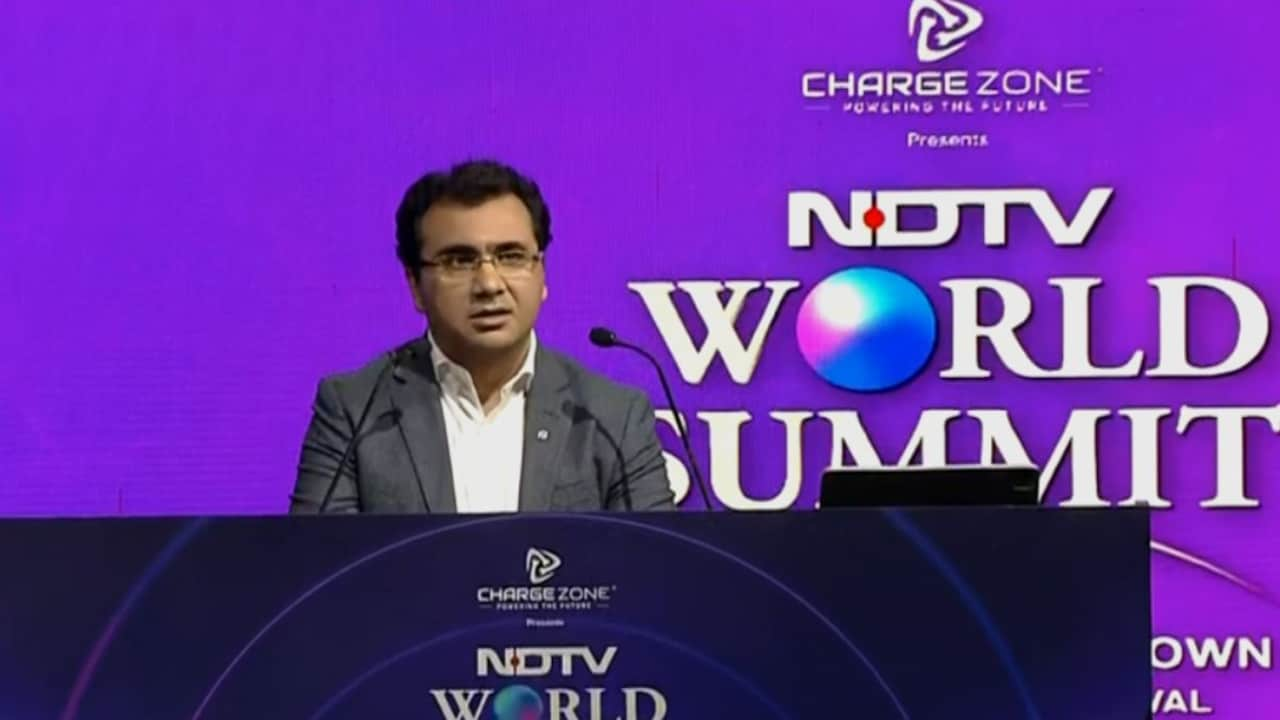
As the Chief Executive Officer for GE Aerospace in South Asia, Rai sits at the exact intersection of local airline ambitions and global engineering powerhouses. When he steps onto the stage at the NDTV World Summit 2026 in New Delhi, he won't just be giving a standard corporate speech. He'll be addressing the core bottleneck of India's aviation miracle: building local capability for a resilient world.
If you want to understand how India is transforming from a massive buyer of foreign aircraft into a serious aerospace player, you have to look past the airline marketing campaigns and look at the engine supply chains. That is Rai's daily reality.
The Journey Behind The Aerospace Leadership
Rai didn't stumble into aviation by accident. With over two decades of experience in the sector, his career trajectory maps out the modern evolution of the aerospace supply chain in South Asia.
Before taking the reins at GE Aerospace in 2012, where he eventually rose to lead the commercial engines business for the region starting in 2017, Rai spent time at Rolls-Royce as the general manager for South Asia. He even started his professional life in the rough-and-tumble world of startups, cutting his teeth at HBE-Aviosec in the airports and broadcasting domain.
That early exposure to infrastructure and high-stakes tech gave him a unique view of how physical systems scale. When you hold an electronics engineering degree and combine it with twenty-plus years of navigating heavy engineering deals, you learn how to spot market shifts before they show up on quarterly balance sheets. In 2021, The Economic Times recognized this track record by naming him to their '40 Under Forty' list of influential business leaders.
Driving Record Breaking Engine Orders
You cannot talk about modern Indian aviation without talking about massive fleet expansion. Over the last few years, local carriers have placed some of the largest aircraft and engine orders in aviation history. Rai was right in the middle of these high-stakes negotiations.
Under his leadership, GE Aerospace secured monumental engine orders from domestic airlines operating in the region. These aren't simple commercial transactions. They involve long-term maintenance agreements, technology transfer talks, and complex supply chain integrations that span multiple continents.
When an airline commits to hundreds of new engines, they are betting their entire business model on reliability, fuel efficiency, and aftermarket support. Rai’s job is to ensure that bet pays off, turning massive sales pipelines into physical realities delivered on schedule.
What India's Aerospace Sector Actually Needs Next
The conversation at the upcoming world summit in New Delhi on October 22 isn't just about selling engines. It's about manufacturing capability and supply chain resilience. India wants a larger piece of the global aerospace manufacturing pie, not just an expanding domestic travel market.
Building that capability locally is brutally hard. Aerospace manufacturing demands microscopic tolerances, certified raw materials, and decades of institutional quality control. You can't just throw money at a factory and expect certified jet engine parts the next month.
Rai's focus at GE Aerospace has increasingly centered on deepening local partnerships, expanding maintenance and repair facilities, and integrating Indian suppliers into global manufacturing networks. If local companies can build reliable components that meet strict international aviation standards, India stops being just a destination for foreign jets and starts becoming a vital pillar of the global aerospace backbone.
The aviation boom is real. The passenger numbers keep climbing. But the real story is happening in the factories, boardrooms, and engineering centers where leaders like Vikram Rai are quietly rewriting the rules of the sky.