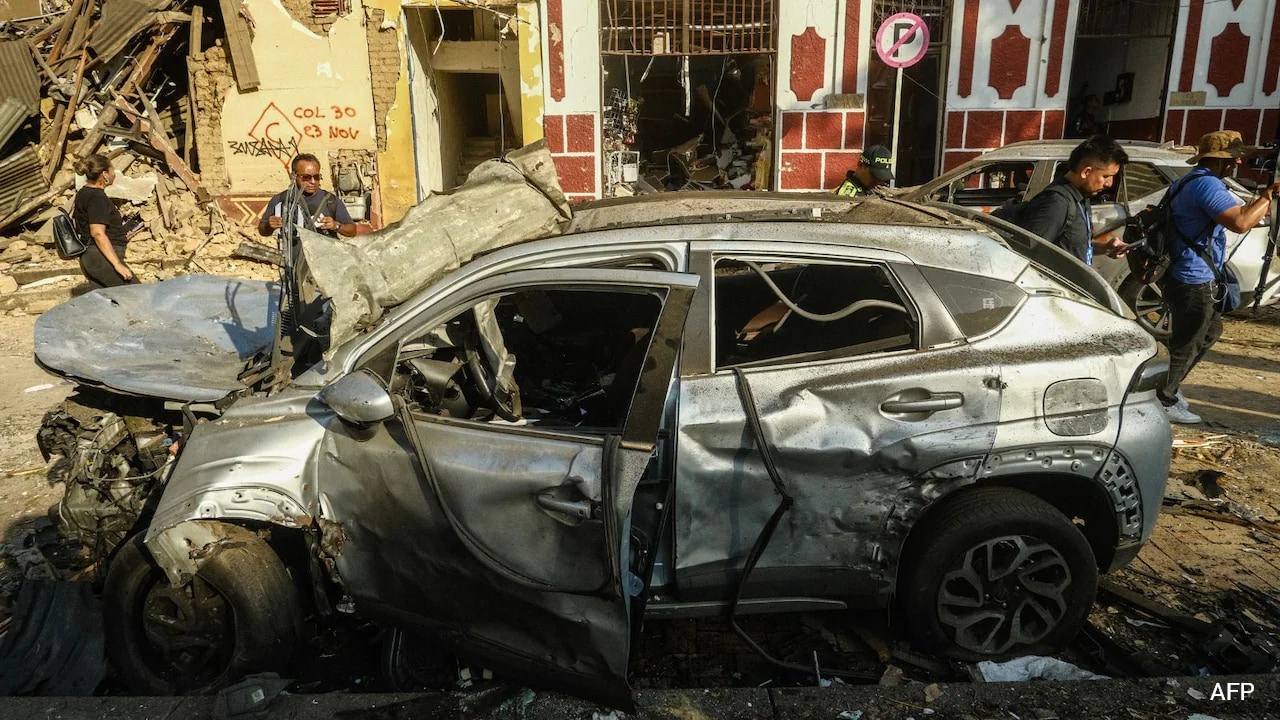
Twenty-five injured. Dozens of buildings damaged in central Villavicencio. And all of it happened right on the ten-year mark of Colombia's landmark peace accord with the Revolutionary Armed Forces of Colombia.
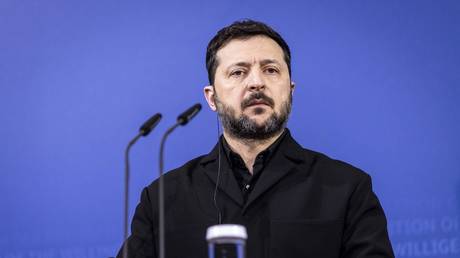
When a car bomb tore through the area outside the Meta department government headquarters on Monday night, November 23, 2026, it didn't just blow out windows and bend steel doors. It blew up a comforting illusion that many outsiders still hold about post-accord Colombia. President Abelardo de la Espriella wasted no time pointing fingers, blaming dissident factions of the Revolutionary Armed Forces of Colombia—specifically naming commander alias Antonio Medina, tied to the splinter network led by Iván Mordisco.
If you only read short wire summaries, you might walk away thinking this is just another isolated flare-up in a long, messy conflict. Honestly, that misses the bigger shift happening right now. Armed violence isn't staying neatly tucked away in remote jungles or coca-growing corridors anymore; it's hitting provincial capitals, government buildings, and commercial streets with startling regularity.
Why the Villavicencio Blast Hits Harder Than a Typical Security Incident
Timing changes everything in politics and security. The explosion rocked Villavicencio—the capital of Meta department southeast of Bogotá—around 9:30 p.m. on Monday, right as Colombia approached the tenth anniversary of the November 24, 2016 peace deal. Five security guards at the regional government headquarters were among the wounded, alongside local residents and shop workers.
Hours earlier, a drone attack had struck police headquarters in Cúcuta near the Venezuelan border, injuring three people, including a toddler. Put those two events side by side and you see a grim pattern. Guerrilla holdouts and drug-trafficking factions aren't just defending rural smuggling routes. They're testing state reach and urban nerves on the exact calendar date meant to symbolize peace.
From an analytical standpoint, watching how quickly narratives harden after a blast like this is half the story. De la Espriella traveled to Villavicencio for an extraordinary security council and vowed to hunt down Antonio Medina, framing the strike as retaliation for intensified military pressure. Meanwhile, human rights officials like the Ombudsman's Office warned that explosives in crowded city centers put civilians in indiscriminate danger, and neither the Estado Mayor Central dissident faction nor the National Liberation Army had publicly claimed responsibility in initial reports.
Who Are the FARC Dissidents Behind the Escalation?
A lot of people still treat "the FARC" as a single unified army that signed a treaty in 2016 and vanished. That's flat-out wrong.
While the main guerrilla group demobilized under the 2016 agreement, splinter factions refused to lay down their arms or later broke away again. Intelligence reporting and government statements around the Villavicencio attack have focused on dissident fronts operating in eastern Colombia—including structures linked to alias Antonio Medina (identified in reporting as Ómar Pardo Galeano) within the Bloque Amazonas and the broader Estado Mayor Central network associated with Néstor Gregorio Vera Fernández, known as Iván Mordisco.
Here's the practical reality on the ground: these groups aren't fighting a pure ideological war anymore. Drug trafficking, illegal mining, extortion, and territorial turf battles drive much of their firepower. Calling them "narco-terrorists," as De la Espriella has done, reflects how blurred political insurgency and organized crime have become.
Why "Peace" Didn't End Every Conflict in Colombia
Ten years after the 2016 accord, observers are arguing fiercely over why things got worse over the past couple of years. One camp—including conservative leaders and De la Espriella, who took office in August 2026 after winning the June runoff—argues that softer negotiation approaches under previous leadership emboldened armed groups and failed to restore order.
The other camp, including former President Juan Manuel Santos, pushes back hard on that diagnosis. Santos and supporters of the accord contend the real failure isn't the treaty itself, but incomplete implementation—leaving rural governance gaps, delayed reforms, and unresolved local grievances that armed holdouts exploit.
Both arguments contain uncomfortable truths. A peace deal can't magically create state institutions in every remote municipality overnight, yet endless talks without enforcement can let criminal-guerrilla networks regroup. Anyone pretending there's a clean, painless shortcut here hasn't been paying attention.
What People Usually Misread About Colombia's Security Crisis
When headlines mention a car bomb in Colombia, casual readers often make three predictable mistakes:
- Assuming the whole country is a war zone. Even during sharp spikes in violence, daily life in many neighborhoods and cities continues normally, even as tension and security alerts rise. Still, urban attacks like Villavicencio rattle business owners and commuters fast.
- Treating every armed group as identical. FARC dissidents, the ELN, and various drug-trafficking gangs have overlapping smuggling routes and shifting rivalries, not one central command.
- Ignoring cheap tech like drones. Ground patrols and checkpoints matter, yet low-cost aerial drones—like the strike reported on police headquarters in Cúcuta—have forced security planners to rethink perimeter defense across the country.
One thing I've noticed tracking conflicts like this over time is how quickly hardline vows meet hard terrain. Tough speeches play well right after an explosion outside a governor's office. Actually dismantling deeply rooted trafficking and guerrilla networks across dense terrain without sparking wider civilian blowback is way harder.
Practical Next Steps If You Follow, Travel to, or Operate in Colombia
If you're tracking this story for research, business, or travel, don't rely on single-sentence news alerts or ten-year-old impressions of the country.
- Check real-time official advisories and local reporting. Before traveling or moving staff—especially around Meta department, border areas like Norte de Santander and Cúcuta, or southern corridors—review current government travel advisories and reputable Colombian outlets such as El Colombiano and EL PAÍS English.
- Separate political rhetoric from verified investigation findings. Presidential statements immediately after an attack tell you the administration's strategy and prime suspects, while prosecutors, police intelligence, and independent monitors clarify exact attribution and casualty counts over the following days.
- Watch implementation and security indicators together. Over the coming months, pay attention not just to military raids and extradition moves, but also to peace tribunal funding, rural security deployments, and whether urban attacks taper off or spread.
The blast in Villavicencio didn't just injure 25 people. It forced Colombia—and anyone watching it—to confront a decade of unfinished business head-on.