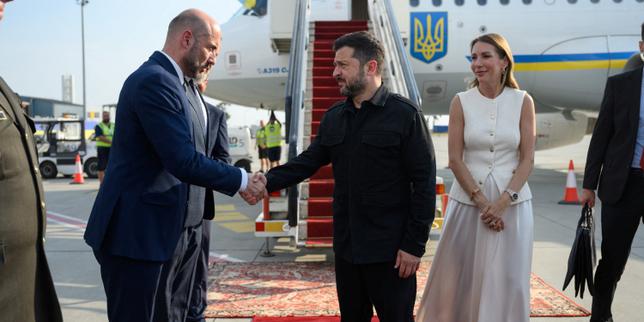
Volodymyr Zelensky just touched down in Belgrade. It is a massive diplomatic earthquake.
For the first time since Russian tanks rolled into Ukraine back in 2022, the Ukrainian leader has walked onto the soil of Moscow’s most steadfast European ally. Serbia has spent years refusing to join Western sanctions against the Kremlin, maintaining cozy energy ties, and balancing precariously between East and West.
Now, the Ukrainian president is sitting across the table from Serbian President Aleksandar Vučić. Honestly, nobody saw this coming quite this fast.
The Real Strategy Behind the Belgrade Trip
If you think this is just a routine handshake photo-op, you are missing the entire plot. Senior Ukrainian insiders have put it bluntly to reporters: the core objective is to pull Belgrade away from Moscow's orbit. It is a calculated diplomatic strike right in Russia's traditional backyard.
Serbia remains heavily dependent on Russian gas and shares deep cultural and historical ties with Moscow. Yet, Belgrade is also officially an EU candidate country. That dual identity creates a narrow window of opportunity for Kyiv.
- Economic and Energy Talks: Both sides are hashing out bilateral trade and energy security agreements.
- EU Integration Paths: Serbia and Ukraine are both navigating the messy, slow-moving reality of European Union enlargement.
- The Weapon Factor: Quietly, Serbian-manufactured ammunition and weapons have found their way to Ukrainian forces through third parties over the past few years, despite Vučić's public neutrality.
Walking a Diplomatic Tightrope
Aleksandar Vučić plays a high-stakes balancing act daily. Just last month, Vučić traveled to Kyiv for the Ukraine-Southeast Europe Summit, yet he notably declined to sign the final declaration condemning Russia outright. He wants EU money and a path to Brussels, but he cannot afford to completely alienate Vladimir Putin or domestic pro-Russian voters.
When Zelensky arrived, the messaging from Belgrade was carefully measured. Vučić knows that hosting the Ukrainian president is a direct signal to Brussels that Serbia can play a constructive role in European security. At the same time, it risks triggering severe diplomatic pushback from the Kremlin.
What This Means for the Wider Conflict
Diplomacy in the Balkans has always been about leverage. By stepping foot in Belgrade, Zelensky is forcing the region to pick up the pace on real commitments. It shows that Kyiv is actively chipping away at Moscow's diplomatic monopoly in southeastern Europe.
You cannot look at this visit in isolation. It proves that alliances aren't set in stone, even when they look unbreakable on paper. Kyiv is playing a long game, trading old animosities for tactical breakthroughs where it hurts Moscow the most. Watch how the Kremlin responds over the coming days because silence from Moscow is the last thing anyone should expect.