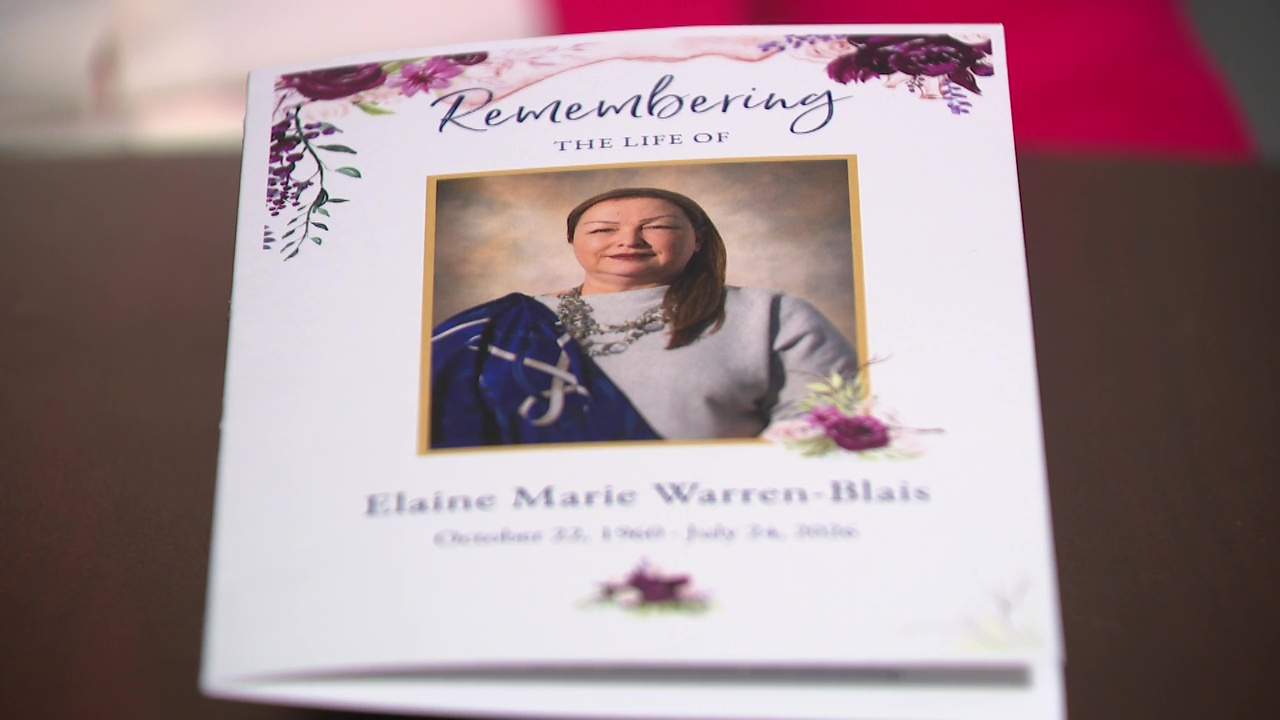
You dial 911 because someone you love is slipping away. You expect a flashing red light and trained professionals at your door within minutes. Instead, you hear excuses, hold music, and a agonizing 90-minute wait. In Edmonton, that exact nightmare cost Dr. Alain Blais his wife, Elaine Warren-Blais. Now, a medical professional is shouting from the rooftops demanding systemic change, but the real question is why it takes a doctor losing his own spouse for anyone in power to care.
Healthcare collapse isn't a future warning anymore. It's happening right now in emergency rooms and driveways across Alberta. When a physician who understands the inner workings of the medical system can't get an ambulance dispatched in time to save his wife, the entire apparatus has failed.
The Real Anatomy of an Ambulance Shortage
Most people assume paramedics are just sitting around stations waiting for a call. The reality is far more broken. Emergency rooms are completely gridlocked because hospital wards lack enough staffed beds to admit incoming patients.
Because hospital beds are full, emergency departments hold onto patients instead of moving them upstairs. Because emergency beds are packed, incoming paramedics have to stay inside the hospital hallway monitoring patients on stretchers. They can't clear their ambulances to go back out into the community.
- Paramedics are stuck babysitting patients in hallway medicine.
- Emergency room capacity hits a bottleneck.
- 911 dispatchers are left telling callers to wait because zero units are free.
It's a cascading failure. When politicians point fingers, they ignore the math. You cannot run a growing municipality with a stagnant, broken acute-care foundation.
Why Patient Privacy Becomes a Shield for Bureaucracy
When reporters ask health authorities about catastrophic response times like the one that killed Elaine Warren-Blais, the standard response is a cold, calculated deflection. They hide behind "patient privacy" rules.
It is a cowardly pivot. Nobody is asking for a private medical history. The public wants accountability on response metrics, dispatch logs, and executive decisions. Using privacy laws to shield a failing bureaucratic structure from public scrutiny insults every single citizen paying taxes into a system that leaves them to die on a living room floor.
Dr. Blais isn't just grieving. He's demanding accountability from an administration that treats response times like PR problems rather than life-or-death emergencies. When an ambulance takes 90 minutes to arrive in a major Canadian city, the system is fundamentally broken.
What You Can Do When Minutes Count
If you are counting on the system to save you or your family member instantly, you are taking a massive risk. While fixing the province-wide administrative rot requires major political overhaul, you need to protect yourself today.
- Keep an emergency go-bag ready: Have current medication lists, medical history, and health insurance details printed out so first responders don't waste precious seconds asking basic questions.
- Know your transport options: If a patient is stable enough to move and an ambulance dispatch queue is backed up for hours, families are increasingly forced to drive themselves to the nearest emergency room rather than wait indefinitely.
- Document response delays: If you experience an unacceptable wait time, file formal complaints with patient relations and contact local media. Silence only protects the bureaucrats responsible for the backlog.
Stop pretending this is normal. Edmonton deserves better than a lottery system where survival depends on whether an ambulance happens to be free when your heart stops beating.