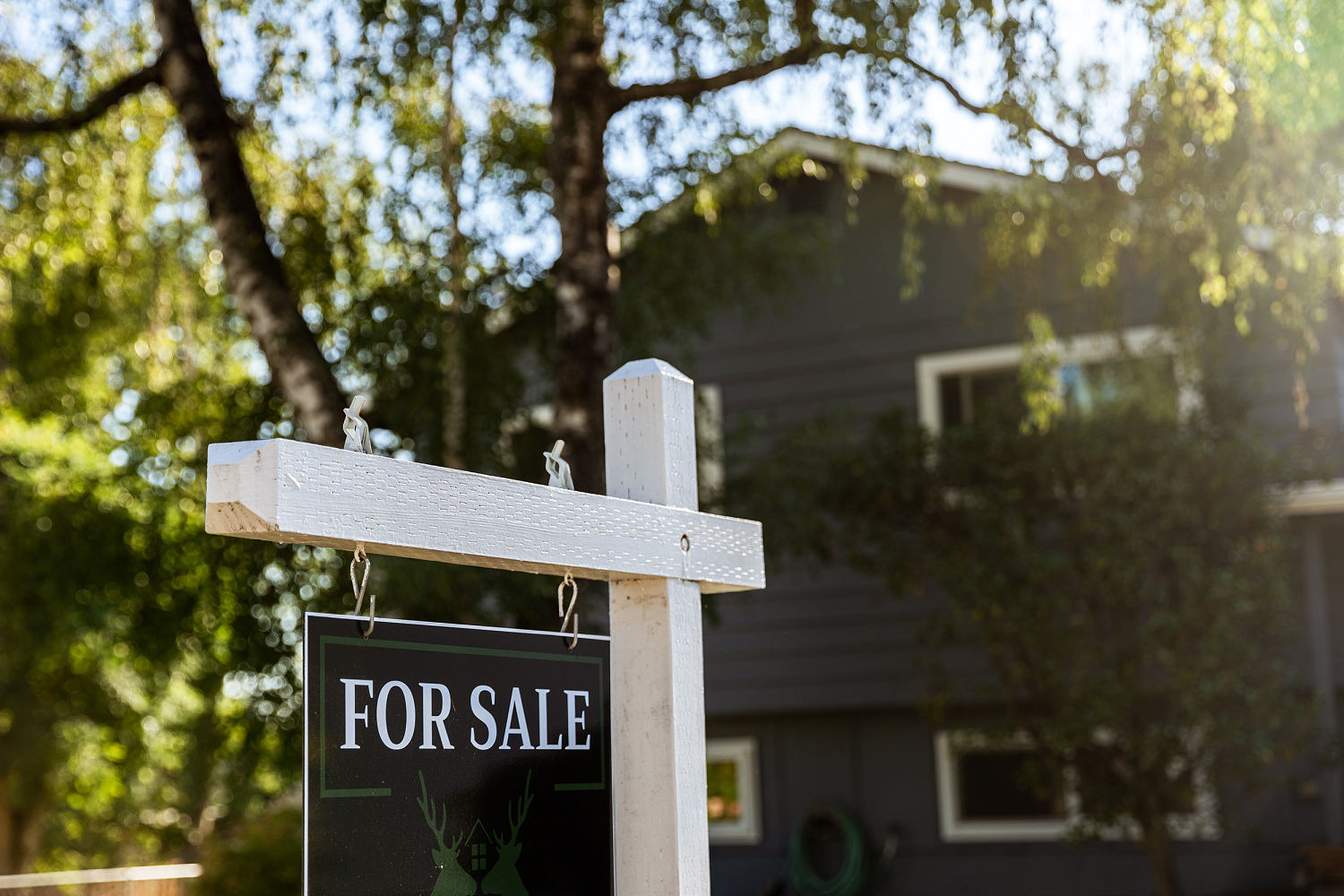
Congress just did something nobody expected. In a stunning 85-5 vote, the Senate passed a massive piece of legislation designed to stop private equity from swallowing up the American housing market. It's called the 21st Century ROAD to Housing Act. If you've tried to buy a home recently, you already know the nightmare. You save up, find a place, and get outbid by a faceless corporation paying all cash. This bill aims to kill that practice entirely.
The federal government is finally admitting that the housing market is broken. For years, ordinary buyers competed against multi-billion dollar hedge funds. This new bipartisan bill changes the rules of the game. It represents the biggest shift in federal housing policy since 1990. Back then, the average American home sold for around $150,000. Today, that median price clears $500,000. People are angry, and politicians are finally running scared enough to cooperate.
This isn't a minor regulatory tweak. It's a direct assault on institutional landlords and local zoning boards that have strangled supply for decades. Let's break down exactly what passed and what it means for your wallet.
The Sudden Death of the Corporate Landlord Era
The headline feature of this bill is an outright ban on large institutional investors buying single-family homes. The Senate targeted companies that own 350 or more single-family properties. From now on, those mega-funds are legally blocked from purchasing more individual houses.
Private equity groups turned American neighborhoods into corporate rental portfolios after the 2008 crash. They bought thousands of entry-level homes, painted them gray, and rented them back to the people they outbid. The Senate bill locks them out of the buying pool.
Some critics claim this interferes with the free market. But the housing market hasn't been free for a long time. Wall Street used massive capital advantages to bully middle-class families out of the market. This law protects owner-occupants. It ensures that starter homes stay in the hands of people who actually want to live in them.
The bill does not force corporations to sell off their current inventories immediately. That would cause a chaotic market crash. Instead, it draws a line in the sand. No new acquisitions are allowed. If an institutional investor does build or buy a new single-family home under specific exceptions, they must rent it out and sell it to an individual homebuyer within seven years. When that time comes, they must give current tenants a 30-day first-look period and offer price concessions.
Inside the 21st Century ROAD to Housing Act
This legislation combines efforts from two unlikely political partners. Senator Tim Scott, a South Carolina Republican, and Senator Elizabeth Warren, a Massachusetts Democrat, hammered out the details. They ignored the usual culture war talking points to focus on the numbers.
The numbers are brutal. The U.S. housing market has been stuck in a massive slump since mortgage rates spiked. Sales of previously occupied homes have hovered around a four-million annual pace. That's a 30-year low. A healthy economy requires closer to five million annual sales. The primary issue is a chronic shortage of physical homes. Estimates show the country is missing roughly 10 million housing units.
To fix this, the bill authorizes $200 million per year from 2027 to 2031 for direct housing construction grants. Another $100 million annually will go toward commercial-to-residential building conversions. If you walk through any major American city, you see empty office towers. This funding helps developers turn those dead offices into apartments.
The bill also modifies banking rules to inject private capital into low-income areas. It raises the public welfare investment cap for nationally chartered banks from 15% to 20%. This lets banks put more cash directly into affordable housing initiatives without triggering regulatory penalties. It also expands the Section 8 funding rules, allowing more public housing units to receive private financing for renovations.
Cutting Through the Local Red Tape
Building a house in America involves a mountain of paperwork. Environmental reviews, local zoning boards, and historical societies can delay projects for years. These delays cost money, and buyers pay the price.
The new bill streamlines federal environmental reviews for housing projects. It strips away redundant inspection requirements that stall construction. The federal government is also using financial leverage to force local cities to fix their broken zoning laws.
Local governments that reform outdated zoning rules will get priority access to Community Development Block Grants. If a city builds homes at a rate faster than the national median, Washington will reward them with extra federal cash. It's a carrot-and-stick approach. Cities that refuse to allow high-density housing or duplexes will miss out on millions of dollars.
Manufactured and modular homes get a massive boost under this law too. Manufactured housing is the most cost-effective way to build quickly. Historically, federal rules mandated that these homes be built on a permanent chassis to qualify for specific federal financing. The new bill eliminates that outdated rule. This opens up cheaper federal financing options for modern modular homes, making it easier for developers to deploy them in rural and suburban communities.
Why This Washington Compromise Actually Happened Now
Bipartisan wins don't happen because politicians suddenly decide to be nice. They happen because of intense economic and political pressure. Housing costs have become a dominant issue for voters. Rent prices sit more than 17% higher than their pre-pandemic levels. Young voters feel completely locked out of the American Dream.
The political journey of this bill was messy. The House passed an early version of a housing bill back in February with massive support. The Senate passed its own version in March. Then things stalled. The Trump administration stepped in and pressured House Republicans to drop their specific draft and accept the Senate package. The White House wanted a clean, aggressive ban on corporate home buyers to show immediate action on inflation and living costs.
There were still major arguments behind closed doors. One big fight involved a federal disaster recovery program. The Senate wanted to create a permanent, automatic fund for disaster housing so Congress wouldn't have to vote on emergency money after every single hurricane or wildfire. House conservatives balked at the long-term price tag and oversight issues. The final compromise created a limited three-year authorization instead.
Even with those disagreements, the final 85-5 vote shows how desperate both parties are to claim victory on housing before the upcoming elections. Senators who voted against the bill included a small handful of fiscal conservatives who felt the spending went too far, but they were vastly outnumbered.
What This Means for Your Next Home Search
Don't expect home prices to drop by 50% tomorrow morning. No single piece of legislation can undo fifteen years of underbuilding overnight. But the landscape of the market will change over the next twelve months.
If you are planning to buy a home soon, here are the practical realities you need to prepare for based on this new law.
First, look for a reduction in cash-only bidding wars on starter homes. With Wall Street funds legally barred from entering the market for existing single-family homes, individual buyers will finally compete against other real people. You won't have to worry about a hedge fund outbidding you by $50,000 in cash within two hours of a listing going live.
Second, watch your local zoning changes. Keep an eye on your city council meetings. Because of the new federal incentives, local municipalities are going to start rewriting their building codes to grab federal grant money. This means more multi-family units, townhomes, and accessory dwelling units will start popping up in neighborhoods previously restricted to single-family mansions.
Third, look into small-dollar mortgages. The bill explicitly sets up pilot programs for mortgages under $100,000. Banks traditionally hate writing these small loans because they don't make enough profit on them. The new federal framework subsidizes and protects these small-dollar loans. If you're looking at a cheaper home or a fixer-upper in a rural area, getting a mortgage just got a lot easier.
The era of easy corporate raiding in American neighborhoods is over. The 21st Century ROAD to Housing Act isn't perfect, but it fundamentally tilts the playing field back toward regular families. Start tracking local developments, talk to a lender about the new FHA loan limit adjustments, and get ready for a fairer fight.