US Treasury Secretary Scott Bessent dropped a diplomatic bombshell during a weekend television appearance, laying bare a severe rift between Washington and its transatlantic partners. According to Bessent, the White House had approached European allies earlier in the year, urging them to join forces in slapping secondary tariffs on countries importing Russian crude and gas, particularly India and China.
Europe said no. You might also find this connected article insightful: How Sudan Drone Attacks Became A Silent War On Children And Civilians.
The revelation throws a sharp light on the complex web of global energy economics, bilateral alliances, and hypocrisy in Western sanctions enforcement. Why should the United States shoulder the total economic fallout and diplomatic friction of pressuring Moscow when European capitals refuse to take matching steps? That is the core question Bessent raised on NBC's Meet the Press, defending the Trump administration's recent choice to pause aggressive enforcement of the bipartisan Sanctioning Russia and Iran Act.
The Hypocrisy of Energy Flows
Critics love to point fingers at New Delhi for maintaining trade ties with Moscow. But reality is a bit more complicated than cable news soundbites suggest. India diversified its energy sourcing substantially, yet it cannot pivot away from affordable crude overnight without punishing its domestic consumers. More importantly, while European leaders publicly lecture developing economies about cutting off Russian revenue, their own balance sheets tell a very different story. As highlighted in detailed reports by BBC News, the results are widespread.
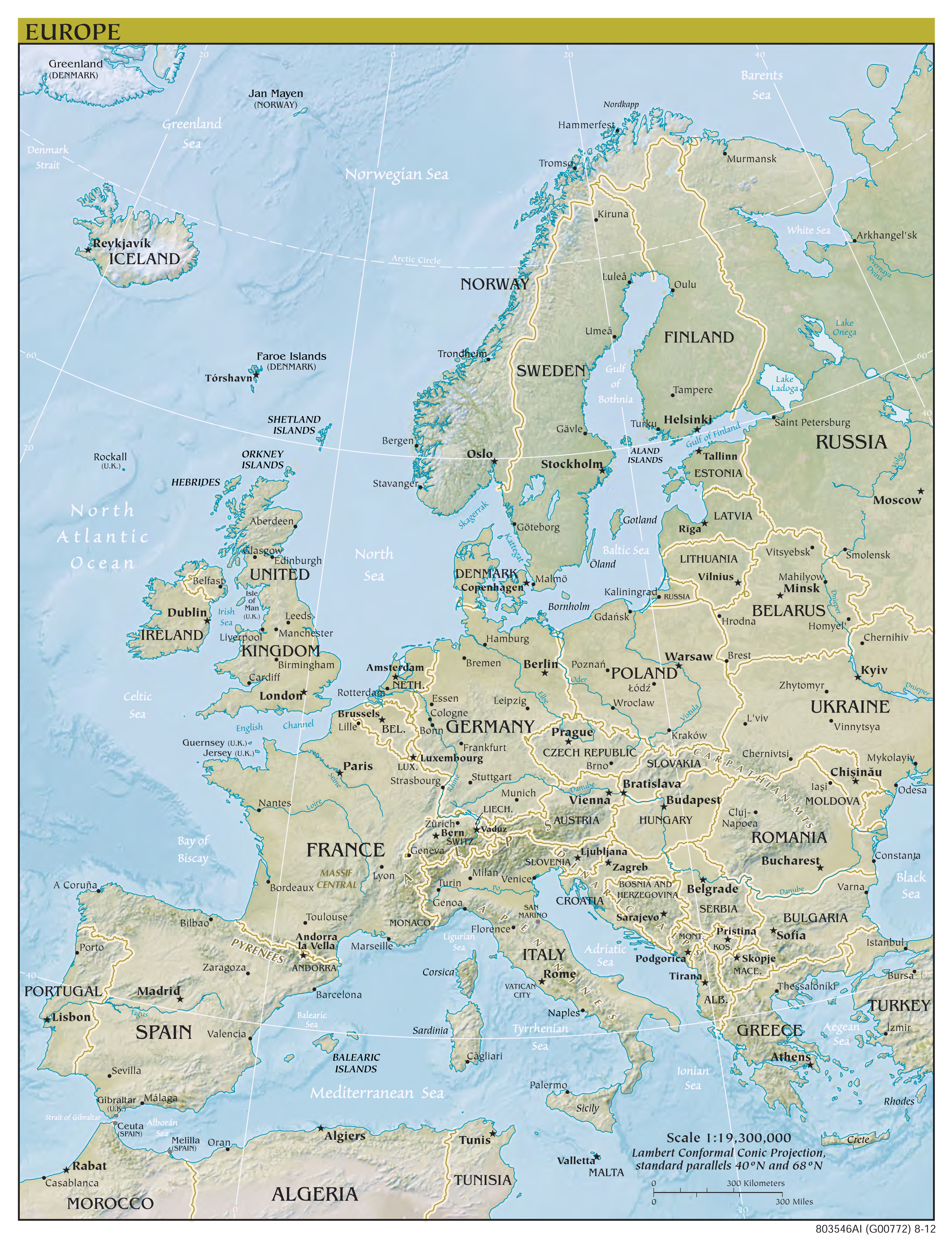
Bessent pointed out the glaring double standard. He noted that during the first six months of the year, a massive majority of liquefied natural gas cargoes leaving Russia's Yamal facility sailed straight to European ports—including Belgium, Spain, France, and the Netherlands—totaling over $8 billion in trade.
When European officials talk tough about choking off Vladimir Putin's war machine while continuing to gorge themselves on Russian hydrocarbons through direct imports and refined products routed via third countries, they are playing a dangerous game of double-talk. The United States imports a fraction of what Europe buys from Russia, much of it restricted to vital agricultural products like fertilizer.
The 60-Day Pause and the Pushback
The recent friction stems from the White House's decision to grant a temporary 60-day pause on aggressive tariffs under the Graham sanctions legislation. The law theoretically authorized duties of up to 100 percent on goods coming from the top five buyers of Russian energy.
Naturally, lawmakers and figures like Ukrainian President Volodymyr Zelenskyy criticized the suspension, arguing that easing any pressure hands Moscow an unearned lifeline. But Bessent pushed back hard against the narrative that the administration is going soft on Russia. He emphasized that President Donald Trump previously slammed heavy sanctions on Russian energy giants Rosneft and Lukoil, inflicting severe blows to Russia's core revenue generators.
Secretary of State Marco Rubio echoed similar pragmatic sentiments, acknowledging that India is a vital strategic partner whose energy security needs cannot be ignored overnight. The administration is balancing the reality of global supply chains against the diplomatic goal of halting the conflict in Ukraine.
What This Means for Global Trade Dynamics
Washington's frustration signals a turning point in how secondary sanctions are applied. If European allies expect the United States to act as the world's sole economic enforcer while they quietly keep their own energy pipelines open, that arrangement is finished.
Coordinated pressure requires shared sacrifice. Until European capitals are willing to put skin in the game by imposing identical secondary tariffs on major energy buyers, American policymakers have zero incentive to bear the entire burden alone.
US Slams EU Over Russian Oil Trade via India
This video provides additional context on how US officials view Europe's continued purchases of refined Russian oil products routed through third countries.
http://googleusercontent.com/youtube_content/1