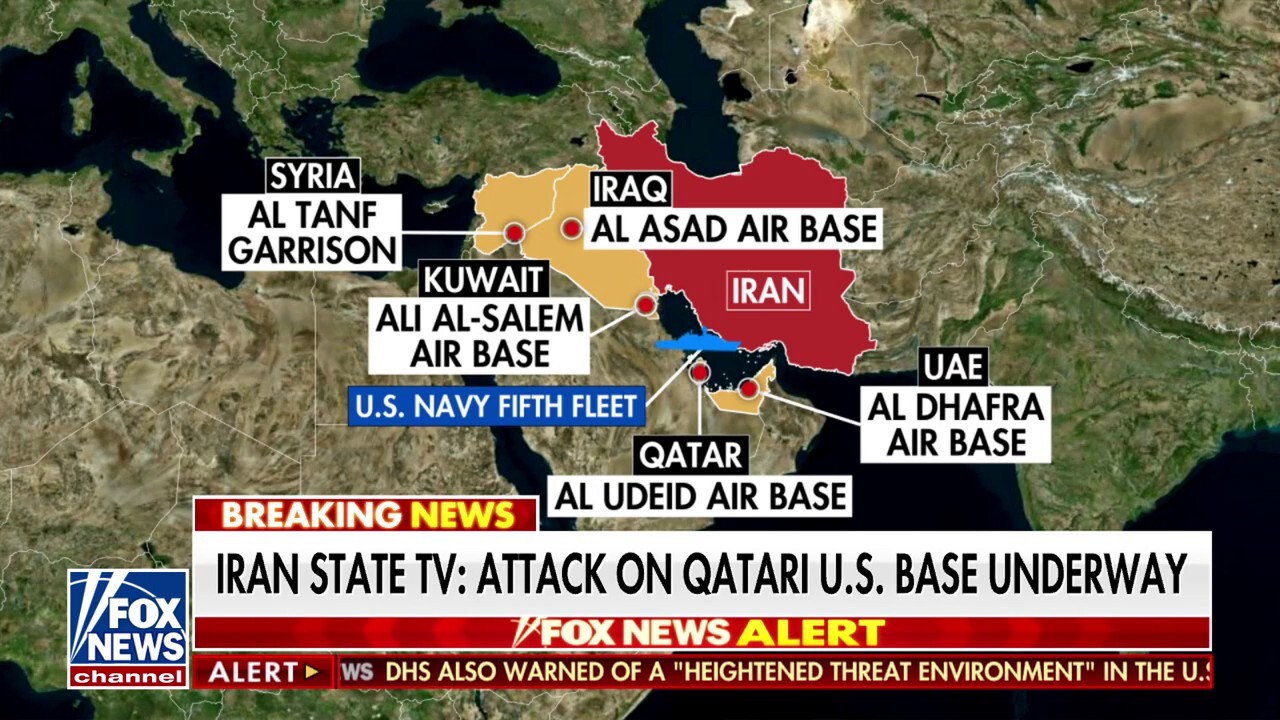
The illusion of a lasting diplomatic pause vanished in the scorching summer heat of late August 2026. After roughly a month of fragile quiet, American warplanes slashed through Iranian airspace once more, shattering whatever hope remained for a negotiated settlement in the ongoing Middle East war. Donald Trump defended the renewed violence from Mar-a-Lago, claiming that striking Iranian targets helps isolate the regime, while the Islamic Revolutionary Guard Corps immediately launched retaliatory operations across the region.
You aren't watching a localized flare-up. You are watching a major regional conflict snap back to life with devastating speed.
The Anatomy of a Broken Truce
Truces in modern asymmetrical warfare rarely survive contact with reality. Following weeks of tentative talks and Omani mediation efforts that ultimately stalled over frozen assets and maritime access in the Strait of Hormuz, Washington decided that patience had run its course. The final weekend of August marked a brutal turning point. American forces executed precision bombardments against infrastructure inside Iran, specifically targeting military nodes near the strategic maritime chokepoint.
Téhéran did not wait to absorb the blow. Within hours, retaliatory strikes targeted positions associated with Washington and its regional allies. Air raid sirens echoed across parts of Iraq and Kuwait, while the commercial shipping lanes of the Persian Gulf once again turned into a zone of high anxiety.
Why did the pause collapse so quickly? Because neither side was willing to compromise on core economic demands. The White House insisted on absolute compliance and continued economic isolation through secondary sanctions, while Iranian leadership maintained that normal commercial traffic through the Strait of Hormuz would remain locked until frozen financial reserves were released. Diplomacy became impossible when both camps viewed compromise as weakness.
Economic Chokepoints and Global Fallout
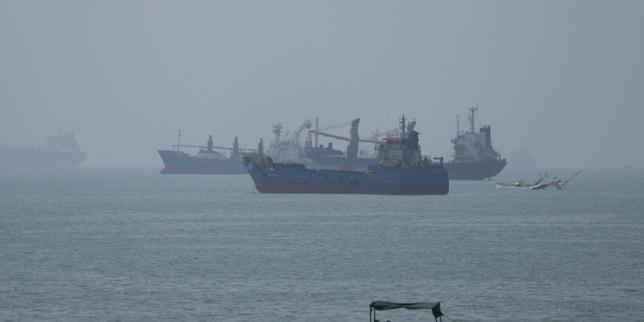
Energy markets hate uncertainty, and the renewed bombing campaign sent immediate shockwaves through global supply chains. The Strait of Hormuz remains a functional hostage to the conflict. With oil tankers facing risks from drifting mines and targeted drone activity, insurance premiums for maritime transit have spiked to unsustainable levels.
Washington's strategy relies heavily on what officials term maximum economic pressure. Energy Secretary Chris Wright recently highlighted new secondary sanctions targeting any nation attempting to bypass the trade embargo against Tehran. Yet this hardline approach comes with heavy collateral damage. European economies, already strained by shifting energy dependencies, are watching fuel prices creep upward as the conflict defies containment.
Meanwhile, regional capitals from Riyadh to Doha find themselves caught in an uncomfortable diplomatic crossfire. While Gulf monarchies publicly advocate for de-escalation and dialogue, their airspace and infrastructure remain vulnerable to the expanding perimeter of retaliatory strikes.
What Comes Next as the Conflict Deepens
The return to active hostilities signals that a military solution remains the preferred instrument for both Washington and Tehran, regardless of the humanitarian toll. Iran's leadership has sworn to intensify asymmetric operations, vowing to break American deterrence through a combination of proxy activations and regional missile launches. On the other side, the Pentagon continues to posture naval assets like the USS Abraham Lincoln within striking distance, ensuring that the option for further escalation stays permanently on the table.
Expect no quick diplomatic breakthrough. As long as Washington insists on unconditional capitulation and Tehran refuses to back down on its regional ambitions, the cycle of strikes and counter-strikes will dictate the reality of the Middle East. The quiet weeks of July are gone, replaced by a harsh and unpredictable autumn.