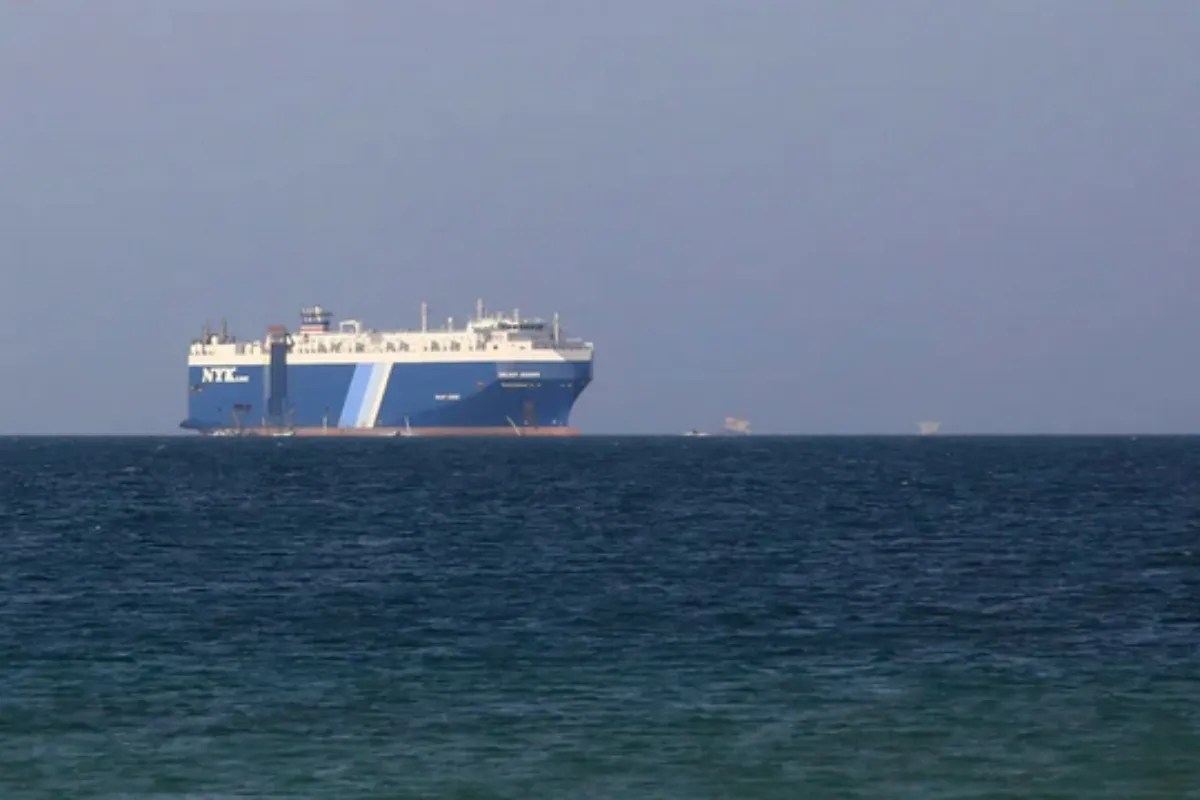
The shipping lanes near the Bab el-Mandeb strait are slowly turning into a graveyard for global commerce. You look at the maps, and you see oil tankers idling, commercial freighters rerouting, and Houthi rebels tightening their grip on the Yemeni coastline. Washington has tried its best to look away, keeping a safe distance from a full-scale quagmire. But that strategic luxury is running out fast.
Former CIA officer Scott Uehlinger recently laid out the hard truth about the Red Sea crisis. If the pressure on Saudi Arabia crosses a certain threshold, the White House won't have the luxury of sitting on the sidelines. They'll be pulled straight into the crossfire, whether they want to be or not. You might also find this connected story useful: Inside The Chilime Hydropower Tunnel Rescue Operations In Rasuwa.
Let's look at why this matters right now.
The Saudi Dilemma and America's Burden
Saudi-backed forces in Yemen aren't winning. In fact, they've taken brutal hits from Houthi fighters, leaving critical positions vulnerable. If you're running things in Washington, you face a terrible choice. Abandon Riyadh, and you watch a key ally's oil exports and regional stability collapse entirely. Step in, and you stretch an already overtaxed military to its breaking point. As reported in recent reports by The Guardian, the results are notable.
Former intelligence insiders point out that the situation on the ground in places like Mocha and Marib is deteriorating. Saudi leadership needs immediate air support to push back the rebel advance. Without it, the kingdom faces an economic and diplomatic shock that ripples straight through global markets.
The Pacific Trap
This is where the military math gets ugly. The United States navy isn't sitting around with empty fleets. Most of America's primary naval power is quietly earmarked for the Pacific to keep an eye on Beijing. Moving destroyers and strike groups away from Asian waters to patrol the Red Sea isn't a minor administrative shift. It's a massive strategic gamble.
If an intervention in the Red Sea stretches past a few weeks, naval strain turns into a structural crisis. You can't be everywhere at once. Diverting warships from the Pacific Fleet to secure a vital chokepoint means taking your eyes off the main strategic prize in the East. Yet, letting global shipping lanes completely choke off isn't an option either.
What Happens Next
The reality on the water isn't going to fix itself with diplomatic statements. As Houthi capabilities grow and regional proxy conflicts heat up, the margin for error shrinks daily. Washington's hesitation is understandable, but physics and geopolitics rarely care about political patience. When the choice comes down to protecting vital trade arteries or risking strategic exposure elsewhere, capitals usually pick the fight in front of them. Expect the military footprint in the region to expand the moment the next major supply line snaps.