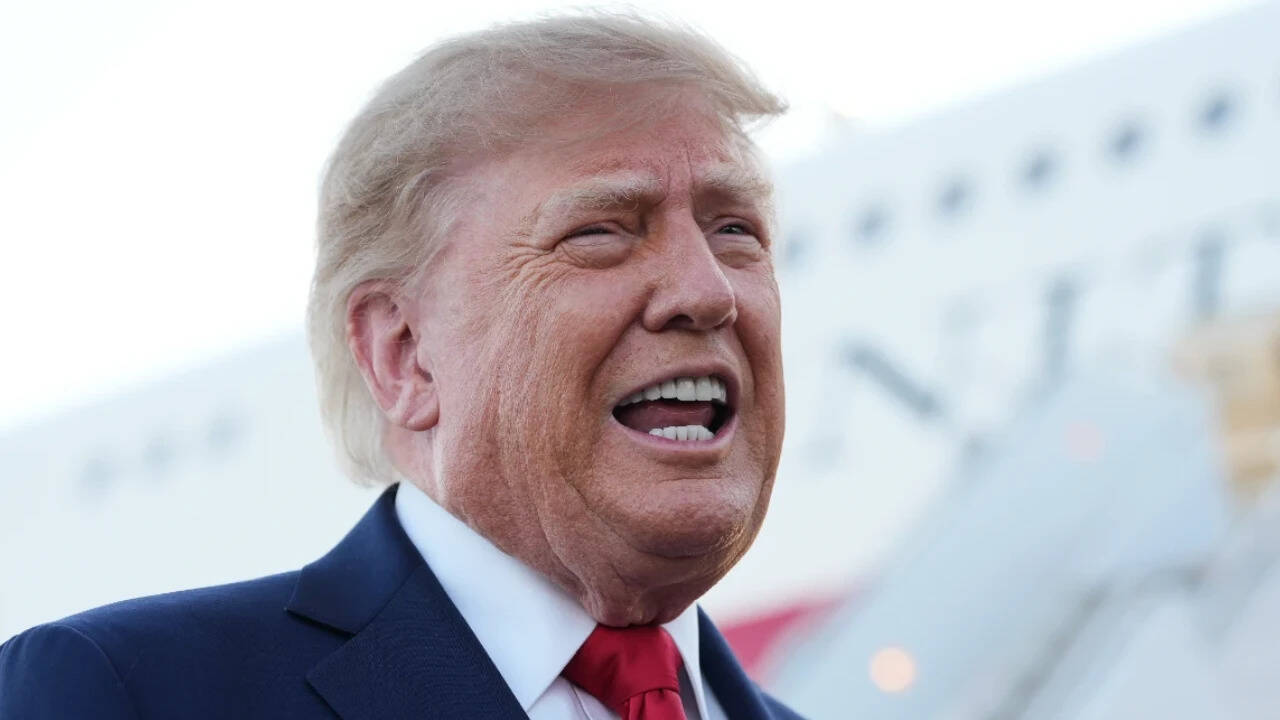
Washington wants to fundamentally reshape how the world builds electronics, and your next laptop or data center server might soon carry the price tag of that ambition. The Trump administration is actively weighing a sweeping new round of tariffs that stretches far beyond raw microchips. According to reports detailing discussions among eight insiders, the policy framework looks to target finished technology goods built using advanced processors.
If you think this only affects silicon manufacturers, you're missing the bigger picture. We aren't just talking about raw wafers anymore. The discussion explicitly covers consumer hardware and enterprise gear like gaming rigs, personal laptops, and heavy-duty servers powering modern cloud infrastructure. It is a calculated escalation designed to force supply chains out of foreign strongholds and directly onto American soil.
The Real Target Behind the Tech Tariffs
Why expand the tariff scope now? For years, trade hawks argued that penalizing standalone chips left too many loopholes. Companies simply imported finished gadgets packed with foreign silicon, bypassing domestic penalties. By extending duties to products that house these processors, the White House aims to close those gaps.
Commerce Secretary Howard Lutnick is pushing a structure that ties tariff relief directly to domestic investments. If foreign corporations want to dodge these heavy import taxes, they have to fund and build manufacturing facilities locally. It’s an aggressive carrot-and-stick strategy. Build factories in America, or pay exorbitant fees to sell your devices to American consumers.
Of course, the strategy carries steep risks. Consumer electronics prices have remained a sensitive political flashpoint. Slapping broad duties on laptops and gaming hardware risks sparking price spikes for everyday buyers just as the tech sector races to scale artificial intelligence infrastructure.
Navigating the Cloud Loophole
Tariffs on hardware are only half of the battle playing out in Washington. Policymakers are simultaneously scrambling to patch a glaring leakage in export controls. Even with strict limits on shipping advanced processors like Nvidia's high-end hardware overseas, Chinese tech companies keep finding ways to tap into elite computing power.
How? Through overseas cloud providers. Developers bypass physical shipping restrictions by renting remote server clusters located outside U.S. jurisdiction, training large AI models without ever owning the physical silicon. Lawmakers are eyeing legislative fixes to close this cloud loophole, though industry experts warn that policing remote digital access remains an engineering nightmare.
What Happens Next for the Market
The policy remains in its early stages. Officials are currently modeling a staggered rollout, meaning any final duties would likely phase in over several months rather than hitting overnight. That timeline gives tech giants a narrow window to lobby for exemptions, restructure supply chains, or accelerate domestic factory footprints.
For industry watchers, don't expect quiet trade policy anytime soon. The intersection of national security, artificial intelligence dominance, and protectionist economics guarantees that hardware costs will remain volatile. Keep a close eye on upcoming Commerce Department announcements regarding investment thresholds. That is where the real exemptions will be won or lost.
The Trump administration's new semiconductor tariffs
This video provides an overview of how the chip tariff strategy functions and its exemptions for companies manufacturing domestically.