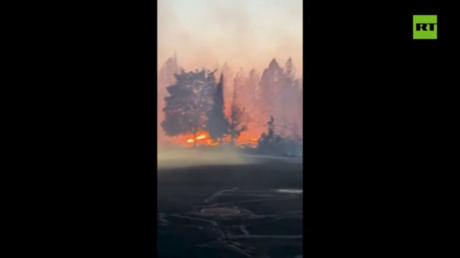
Spokane is choking on smoke, thousands of people are under urgent evacuation orders, and Washington State is once again confronting a terrifying wildfire reality. Governor Bob Ferguson didn't hesitate. Facing a multi-front fire crisis driven by historic weather patterns, he officially declared a statewide state of emergency.
If you live in the Pacific Northwest, you already know the drill. But this year feels different, heavier, and far more dangerous. Over a quarter of a million acres are currently burning across Washington, and the fast-moving Old Trails Fire in Spokane County has already scorched nearly 3,000 acres while threatening thousands of structures.
Let's break down what's actually happening on the ground, why officials pulled the emergency trigger so fast, and what you need to know if you're in the path of the flames.
The Anatomy of a Crisis in Spokane
The numbers coming out of eastern Washington right now are staggering. More than 200,000 acres are actively burning across a dozen large fires, pushed along by brutal winds and a bone-dry landscape.
At the center of the panic is the Old Trails Fire. Igniting in Spokane County, it tore through thousands of acres in hours. Spokane Mayor Lisa Brown confirmed that critical municipal infrastructure—including local water reclamation facilities, a waste-energy plant, and the Department of Veterans Affairs hospital—faced immediate threat, prompting swift evacuations.
About 4,000 personnel are currently fighting over a dozen major fires statewide, stretched thin across rugged terrain. Among them is the massive Kaiser Canyon Fire in northeastern Washington, which has chewed through roughly 134,000 acres on its own.
Why the National Weather Service Hit the Panic Button
Governors don't declare states of emergency over ordinary summer heat. This decision came on the heels of a historic move by the National Weather Service, which issued a rare "Particularly Dangerous Situation" Red Flag Warning across Central and Eastern Washington.
This marks the first time this exact tier of alert has been invoked in the state. Meteorologists flagged a toxic combination of historically strong winds, low humidity, and a record-setting fourth consecutive statewide drought.
When these conditions align, normal firefighting rules go out the window. State Forester George Geissler pointed out that heavy winds and thick smoke severely limit aircraft responses. Planes can't drop water or retardant safely when gale-force winds are whipping across canyons and ridges. That leaves ground crews to battle walls of fire with minimal aerial support.
The Statewide Burn Ban Mandate
Governor Ferguson's emergency proclamation didn't just mobilize resources and position the Washington National Guard to assist. It also enacted a strict, statewide prohibition on most outdoor and agricultural burning through the end of September.
Commissioner of Public Lands Dave Upthegrove put it bluntly during a weekend press briefing: roughly 450,000 acres have burned in Washington so far this summer. With the landscape acting like a tinderbox, any careless spark from yard debris, campfires, or equipment can launch a catastrophic new blaze.
"I'm urging all Washingtonians to not be that spark," Upthegrove said.
Violating the burn ban right now isn't just irresponsible; it's a massive legal and financial liability that puts entire towns at risk.
What to Do If You Are in Spokane or Surrounding Areas
If you're sitting in Spokane or nearby unincorporated zones, waiting to see what the wind does is a terrible strategy. Evacuation levels can shift from a warning to a mandatory "Go Now" order in minutes.
- Monitor local alerts continuously: Rely on official county emergency management channels, not rumors on social media.
- Keep your vehicle fueled and packed: If a Level 3 evacuation order drops, you won't have time to pack photo albums or search for keys. Keep medications, important documents, pets, and go-bags near the door.
- Respect road closures: Driving through heavy smoke or around barricades puts emergency responders in the impossible position of having to rescue rescuers.
This wildfire season is testing the limits of emergency infrastructure in the Pacific Northwest. Stay alert, protect your household, and heed every warning local authorities issue.