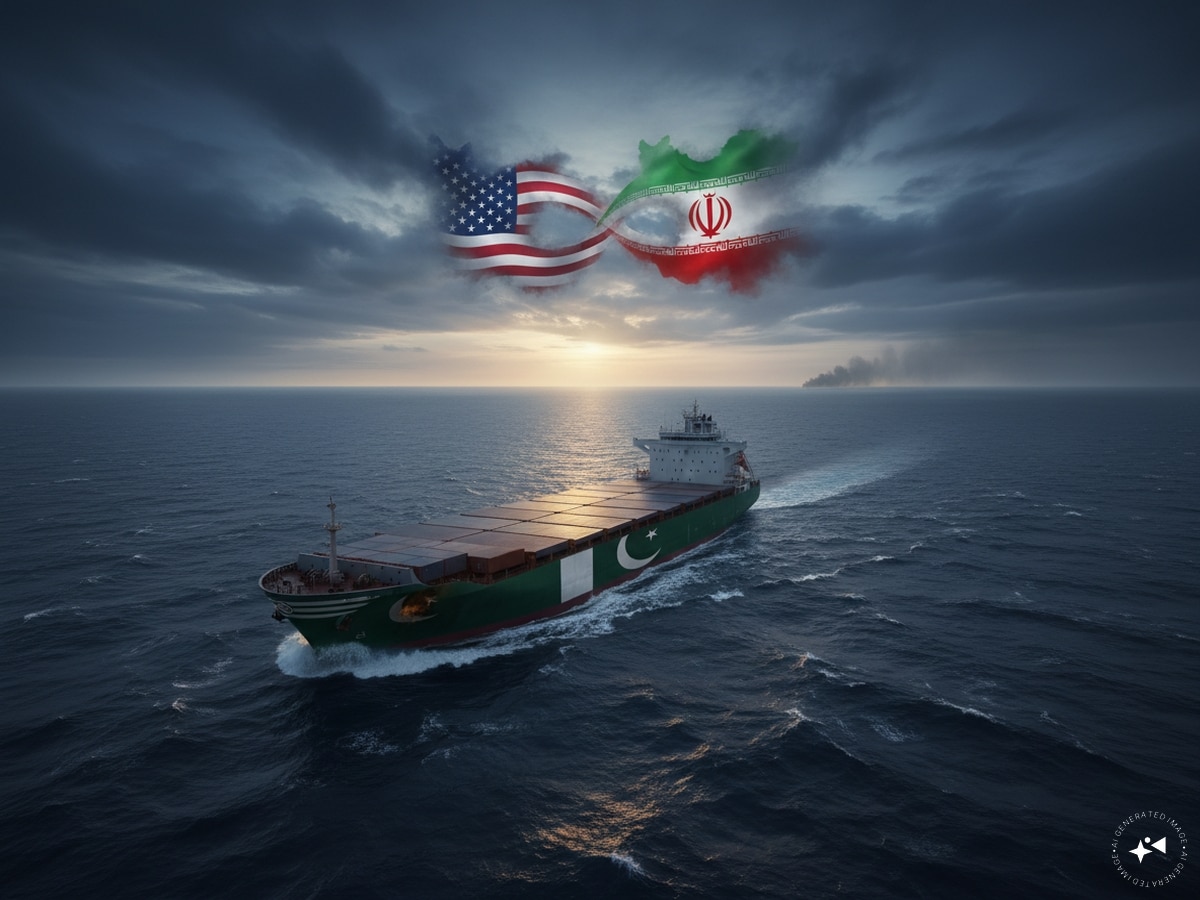
Diplomatic breakthroughs rarely happen in quiet rooms. They usually occur right after a fresh round of public posturing and maritime attacks. Pakistan just dropped a major update, stating that the United States and Iran are drifting close to an arrangement over the critical Strait of Hormuz.
If you look only at the fiery rhetoric coming out of Washington and Tehran, peace feels impossible. Yet, mediators on the ground tell a different story.
Behind the Scenes of the Mediated Breakthrough
Pakistan's Defence Minister Khawaja Asif didn't mince words when speaking to the press. He pointed out that things are shaping up in favor of a peace deal, even as shipping lanes remain volatile. Meanwhile, Qatari officials confirmed that separate discussions between Oman and Iran regarding the management of the Strait of Hormuz are sitting at an advanced stage.
You have to remember how vital this corridor is. Before the conflict blocked normal traffic, roughly a fifth of global oil and liquefied natural gas passed through this narrow stretch of water. Energy markets feel every tremor here. When news of potential compromises broke, oil prices immediately reacted, paring recent gains as traders priced in the possibility of normal navigation resuming.
Iran has maintained strict conditions for reopening the route. Tehran wants an end to economic sanctions, relief from military threats, and specific agreements on shipping corridor maps. At the same time, regional diplomats like Pakistan's Interior Minister Mohsin Naqvi have been shuttling directly to Tehran to iron out the finer points with Iranian counterparts like Foreign Minister Abbas Araghchi.
The Rhetoric Versus Reality Trap
Why is there such a massive gap between public statements and diplomatic reality?
On one side, political posturing is built into high-stakes negotiations. US President Donald Trump countered recent optimism by tossing fresh demands into the ring, insisting that Iran should pay reparations for historical damages and conflicts across the region. These hardline statements look like dealbreakers on paper.
Yet, seasoned diplomats know that final-hour demands are often standard bargaining leverage. Both capitals are under immense domestic pressure. Iran's economy is feeling the severe friction of prolonged conflict, while Western leaders want stabilized energy costs ahead of upcoming political cycles.
Navigating the Volatility on the Water
The biggest wild card remains security on the ground. Recent reports of shipping incidents in the Gulf of Oman and surrounding waters prove that the maritime theater is still dangerous. Enforcing naval blockades while indirect peace talks move forward creates a chaotic operational environment where miscalculations happen fast.
Iran wants a defined role in managing the strait, while Washington has routinely pushed back against giving Tehran formal toll or fee-collection powers. Oman's ongoing talks aim to thread that needle by establishing mutually acceptable technical parameters for safe transit and environmental protection.
If you are tracking energy markets or international logistics, do not get blinded by daily headlines about fresh demands or minor skirmishes. The architecture for a fragile maritime truce is being built quietly through Islamabad, Doha, and Muscat.
Keep an eye on the technical shipping lane agreements rather than the social media posts. That is where the actual war winds down.

.webp)