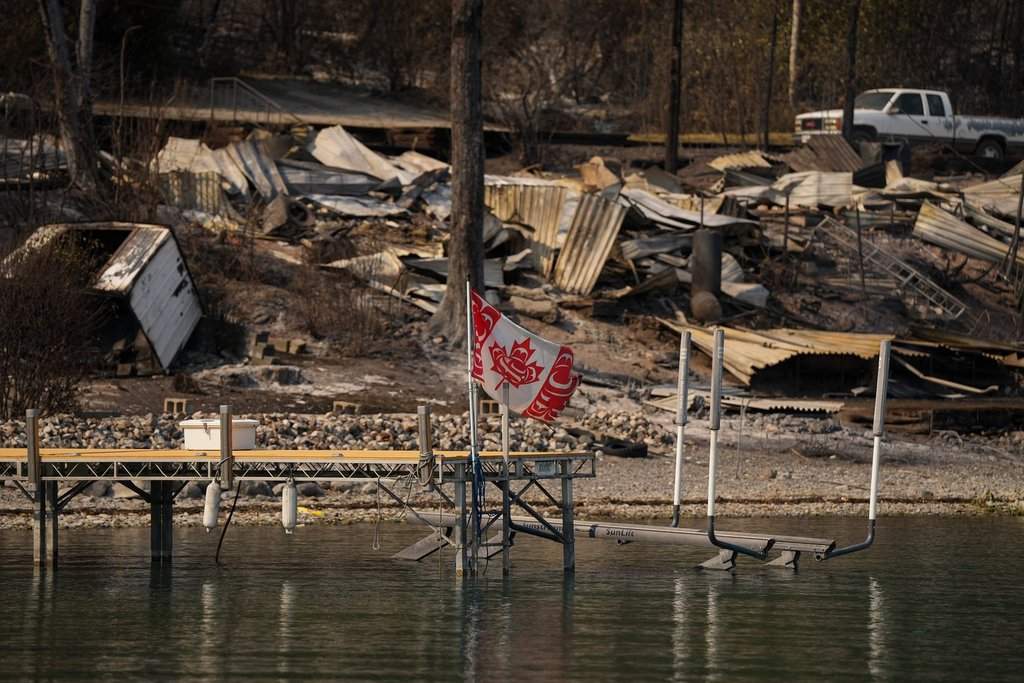
If you watched the B.C. interior burn last weekend, you know how terrifying fast-moving flames get when high winds take the wheel. Gusts whipped fires like the Bradley Creek blaze into explosive monsters, destroying up to 230 homes and structures near Clinton while thousands fled under evacuation orders.
Now, relief is finally on the horizon. A cold front is pushing across British Columbia, bringing a vastly different atmosphere to the ongoing wildfire fight. While forecasters originally feared a repeat of last weekend's severe weather, the latest updates from the BC Wildfire Service offer a cautious sigh of relief. The incoming front won't pack the violent, erratic winds and heavy dry lightning barrages that previously fueled rapid fire spread.
Wind speeds are expected to remain relatively light across most of the province, giving exhausted ground crews and aerial attackers a fighting chance to hold perimeter lines.
International Reinforcements Land on the Front Lines
You cannot fight a multi-front war without troops. Fortunately, help has flown in from thousands of miles away. Firefighters from Mexico, Australia, and New Zealand touched down on Thursday to bolster local crews who have been working grueling shifts since the season started heating up.
These international deployments join hundreds of personnel from Alberta, the Yukon, and other Canadian jurisdictions. When you look at the sheer scale of the crisis—with over 110 active fires burning and critical areas concentrated in the Cariboo, Kamloops, and Southeast fire centres—every single boots-on-the-ground resource matters.
Premier David Eby noted the heartbreaking devastation reported by local leaders, highlighting the fierce resilience of communities banding together to shelter evacuees and protect local infrastructure.
The Danger of Holdover Fires
Even with lighter winds forecasted, nobody is popping champagne. Summer dryness has pushed fuel conditions to historic extremes. Officials warn that the threat of "holdover fires" remains very real.
What is a holdover fire? It happens when a lightning strike smoulders deep underground in roots or organic matter for days without showing visible smoke. When afternoon temperatures climb back into the mid-30s and humidity drops, those hidden embers suddenly flare up into active surface fires.
BC Wildfire Service operations staff are keeping aircraft ready for rapid deployment because a calm weekend doesn't mean zero new starts.
What Residents Need to Do Right Now
If you live anywhere near the southern Interior or active zones, don't let a milder weather forecast lower your guard.
- Keep your grab-and-go bags packed by the door with medications, important documents, and pet supplies.
- Download the official BC Wildfire Service app on your phone so you can immediately snap and upload photos if you spot new smoke or flames.
- Eliminate human-caused risks entirely. Fire officials repeatedly emphasize that while lightning strikes are completely unavoidable, human-caused sparks tie up critical helicopter and tanker resources that should be dedicated to lightning-strike emergencies.
Check local emergency program guides for up-to-the-minute evacuation alerts or orders, and pre-register for Emergency Support Services to streamline help if you need to evacuate quickly.