Mountaineering doesn't forgive small mistakes. On a steep gully of Torrecerredo, Spain's highest limestone giant, a 28-year-old British climber lost his footing and fell nearly 200 feet to his death.
The tragedy unfolded just metres below the summit ridge of the Picos de Europa range. Local rescue authorities and the Spanish Civil Guard confirmed that the climber plunged approximately 60 metres down a vertical gully during his descent. Emergency services received the urgent alert shortly after 1:30 pm, prompting a swift helicopter deployment carrying a specialized mountain response team known as GREIM. A flight doctor reached the remote crash site within an hour, but nothing could be done.
Why do even experienced mountaineers come unstuck on peaks like Torrecerredo? Let's look at the actual risks.
The Brutal Reality of Torrecerredo
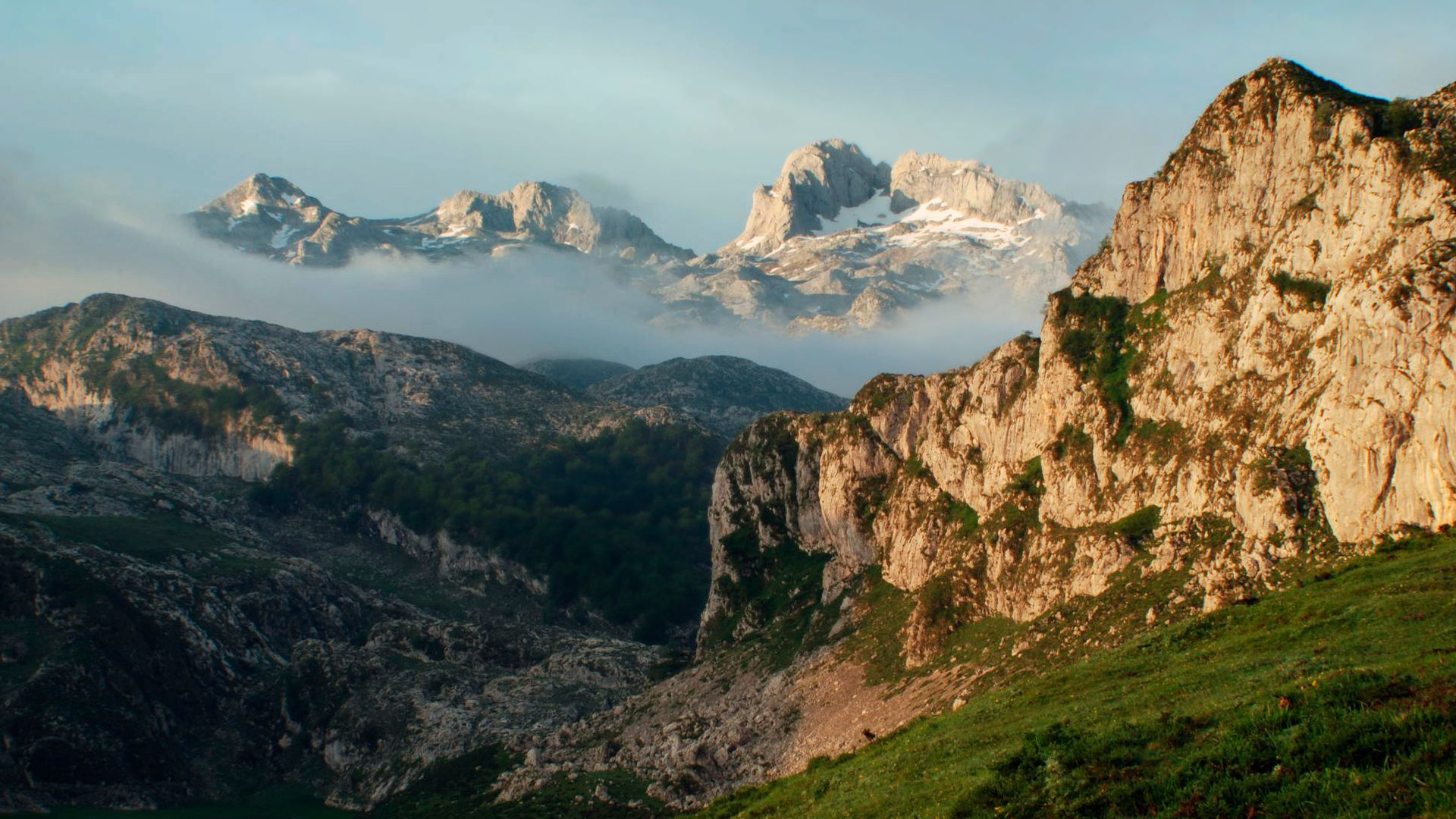
At 2,649 metres above sea level, Torrecerredo isn't just a scenic hill. It's the crown jewel of the Picos de Europa and the Cantabrian Mountains, standing as the 17th highest peak in Spain. But raw elevation numbers miss the point. The real danger lies in its jagged limestone terrain, rapid weather shifts, and punishing vertical gullies.
When you're tired, focus slips. Most serious accidents don't happen on the way up. They happen on the way down, when exhaustion sets in and daylight starts playing tricks on your depth perception. Whether the climber was twenty metres below the summit or just starting his descent remains a point of local confusion, but the mechanics of high-altitude slips remain brutally consistent. You catch a boot edge, loose scree shifts underfoot, and gravity takes over instantly.
The Complicated Logistics of Mountain Rescues
When a fatal accident happens in remote Spanish terrain, the rescue protocol is strict. Spanish emergency responders handled a harrowing overlapping crisis during this incident. Just eighteen minutes after the first call came in for the British mountaineer, authorities received reports of a 54-year-old French woman injured on the nearby Jou Sin Tierre peak.
Rescuers had to prioritize the fatality investigation and secure the site before they could redirect resources to help others. Firefighters and Civil Guard specialists guarded the British climber's body until a helicopter could safely winch him out of the gully. His remains were transferred to the La Morgal emergency services complex in Llanera, near Oviedo and Gijón.
The Foreign, Commonwealth and Development Office has since confirmed they're in direct contact with local authorities in Spain, offering consular assistance to the family.
Staying Safe in Rugged European Ranges
If you're planning to tackle technical limestone routes in northern Spain or similar European ranges, you can't rely on fitness alone. Conditions change in minutes.
- Respect the descent: Treat the walk down with the same intense focus as the climb up. Most injuries happen when fatigue makes your legs heavy and uncoordinated.
- Watch the weather windows: Cloud cover, unexpected ice, and high winds turn moderate scrambles into deadly vertical hazards.
- Carry satellite tracking: Mobile phone coverage is notoriously spotty in the Picos de Europa. A dedicated satellite communicator or emergency beacon can shave hours off a rescue response time.
Mountains don't care about experience levels. Respect the terrain or stay home.
.jpg?itok=hg_o2L0E)