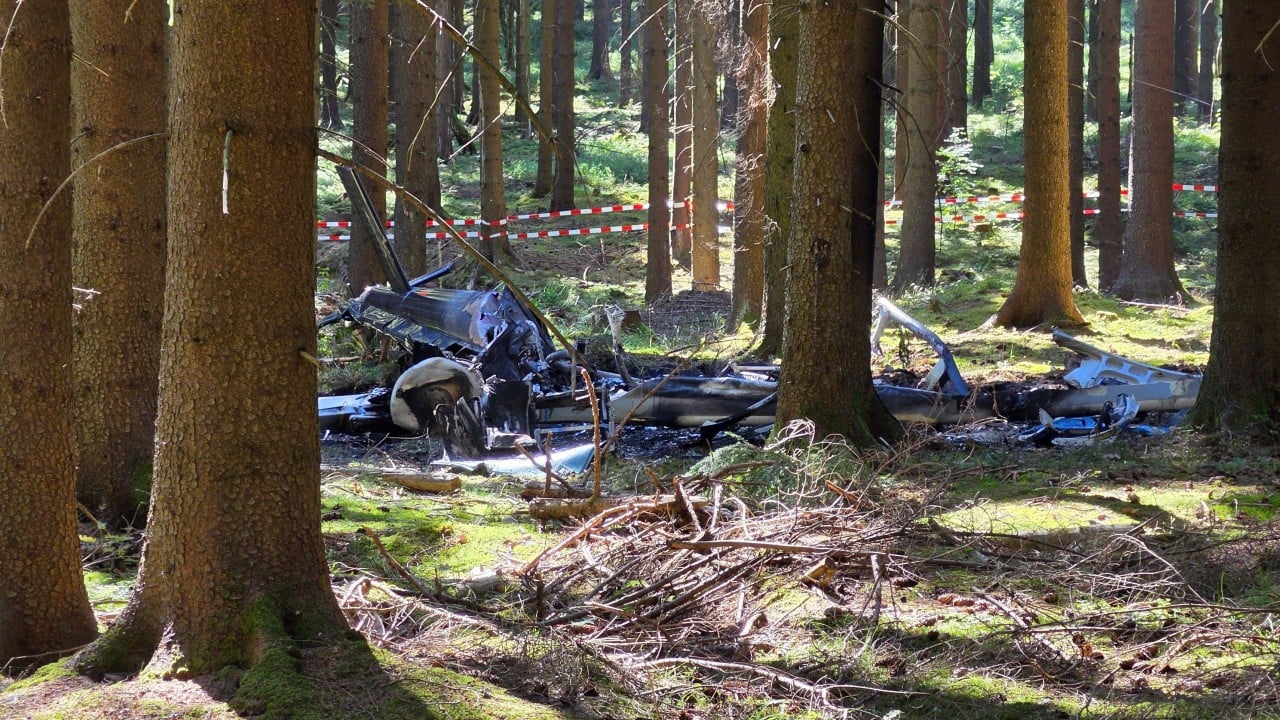
A routine aerial operation turned fatal in eastern Germany when a utility helicopter crashed into a dense woodland area. The incident, which took place in the Ore Mountains (Erzgebirge) between Neudorf and Bärenstein in the federal state of Saxony, claimed the life of the lone pilot on board.
Emergency services rushed to the scene around 9:55 AM local time after eyewitnesses reported a massive plume of black smoke billowing from the tree canopy. Despite quick extraction efforts by workers at the site who managed to pull the pilot from the wreckage, life-saving measures failed. The aircraft burst into flames immediately following the impact, completely destroying the machine. Meanwhile, you can read other events here: Why Russia Wants Washington To Answer For Ukraine Intelligence Support.
The Dangerous Reality of Forest Liming Operations
Most people don't realize that forestry aviation is one of the most demanding sub-sectors of commercial flight. This specific aircraft was performing essential ecological maintenance known as forest liming (Kalkung).
Acid rain and industrial nitrogen deposition have heavily battered European woodlands for decades. To combat plummeting soil pH and restore nutrient balance, forestry management agencies rely on helicopters to blanket vast, rugged terrain with fine calcium carbonate or magnesium carbonate. To see the bigger picture, we recommend the excellent analysis by Associated Press.
It is low-altitude, high-hazard work. Pilots fly heavy payloads just above treetops, navigating unpredictable wind gusts funneled through mountain valleys, shifting cargo weights, and treacherous topography. You are fighting constant mechanical stress while tracking narrow flight paths over remote terrain where a single engine hiccup leaves zero room for error.
What Authorities Are Investigating Now
The Chemnitz police directorate, alongside criminal investigators and the Federal Bureau of Aircraft Accident Investigation (known in Germany as the Bundesstelle für Flugunfalluntersuchung, or BFU), has locked down the crash zone.
Investigators face a charred wreckage site near an 887-meter peak, making forensic recovery grueling. Right now, officials are looking at three primary variables:
- Mechanical failure: Did a sudden engine or rotor anomaly compromise flight control?
- Environmental factors: Did localized wind shear or sudden downdrafts in the Erzgebirge range trap the aircraft?
- Operational hurdles: Did the shifting weight of the liming hopper create dynamic instability during the drop run?
Police have withheld the identity of the pilot pending notification of next of kin, a standard protocol that local departments strictly enforce before public disclosures.
The Broader Impact on Specialized Aviation Safety
Accidents like this throw a harsh spotlight on the unseen risks taken to maintain environmental health. While commercial airline safety statistics dominate headlines, aerial work operators—including crop dusters, firefighters, and forestry support pilots—face disproportionately higher accident rates.
Operating heavily modified utility helicopters close to the ground leaves milliseconds to react when things go wrong. As European nations step up ecological restoration efforts, the demand for specialized aerial forestry contracts continues to climb. Ensuring those flights return safely means looking hard at equipment aging, pilot fatigue limits, and the unique weather hazards of mountainous microclimates.
The investigation by the BFU will take months to yield a definitive report. Until then, a remote patch of Saxon forest remains an active crime and accident scene, marking another somber day for the commercial aviation community.