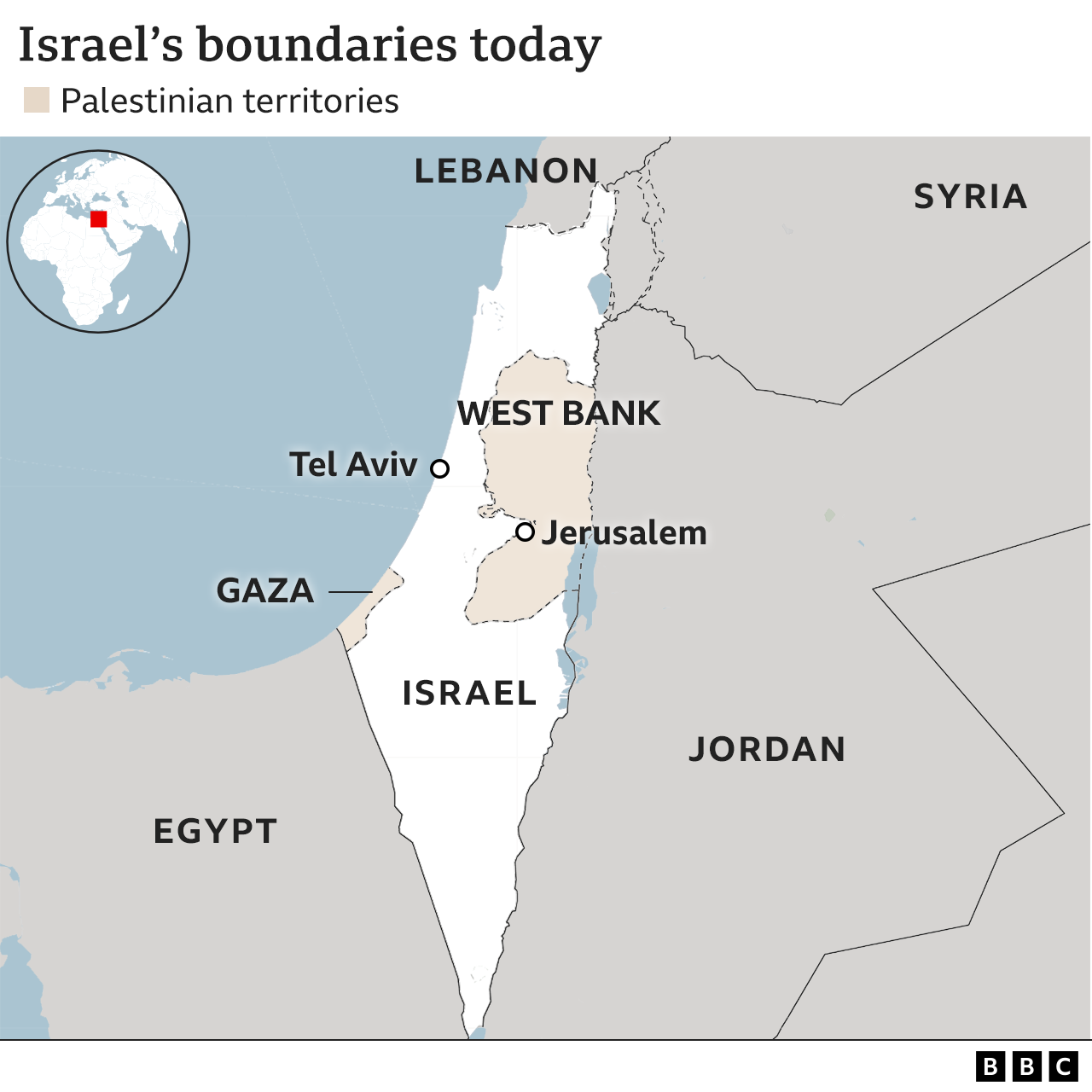
Tensions across the West Bank reached a boiling point this weekend. The Israeli military launched widespread raids, detaining over seventy suspects following a brutal sequence of clashes that left six people dead.
If you're trying to figure out what sparked this sudden escalation, it didn't happen in a vacuum. It follows a violent confrontation near the Palestinian village of Tell, close to Nablus. According to local officials and military statements, an initial clash erupted when a group of Israeli settlers entered the area. The situation quickly spiraled out of control. A firefight broke out, resulting in the deaths of four Palestinians and two Israelis, including a member of a local settlement defense squad.
Instead of cooling down, the region exploded. Prime Minister Benjamin Netanyahu and Defense Minister Israel Katz responded by ordering a sweeping military operation. Troops locked down large parts of the territory, reinforced positions, and swept through towns like Jenin, Bethlehem, Hebron, and Ramallah. In Tell alone, dozens of young men were rounded up and taken to a makeshift field interrogation center set up inside a seized house.
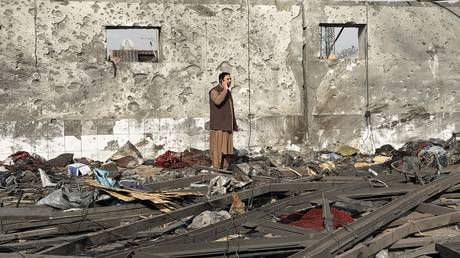
The immediate fallout goes far beyond administrative detentions. Human rights organizations and local Palestinian officials report that retaliatory settler rampages tore through multiple villages in the Nablus governorate. Homes were torched, property was destroyed, and at least eight people were injured—many by live fire. Meanwhile, hospital directors in Nablus condemned armed raids inside medical facilities, where troops reportedly detained wounded patients receiving care.
You have to look at the broader picture to understand why this matters. Violence in the West Bank has surged dramatically since the Gaza war kicked off. Over a thousand Palestinians have been killed by Israeli forces or settlers in the territory over the past few years, alongside dozens of Israelis killed in frequent shooting and terror attacks. Hard-line government policies, unchecked settlement expansion, and mounting friction on the ground have turned the entire region into a powder keg.
Mass arrests and harsh security clampdowns are being sold as a solution to restore order. History shows the exact opposite happens. Collective measures and intense military sweeps routinely deepen local resentment, crush any remaining trust, and guarantee the next cycle of violence starts even sooner.
Pay attention to how local actors respond in the coming days. Watch the enforcement of traffic controls and the accelerated approval of contested outposts. That's where the real trajectory of this crisis is headed.